


Drinking alcohol before an operation is not worth the potential harm — or the risk to your life.
Consuming alcohol before surgery is a significant hazard. For your safety, it’s advisable to abstain from alcohol for at least 48 hours before your planned procedure.
Alcohol use can cause serious complications during and after surgery. It may lead to a longer hospital stay and extend your overall recovery. In extreme cases, it can be life threatening.
Below we’ll review how alcohol impacts the body, what that means if you require surgery, and steps you can take before your procedure.
What can occur if you drink alcohol before surgery
Surgical risks rise if you have an alcohol use disorder. However, even a single episode of binge drinking or one drink right before surgery can create problems.
Issues with anesthesia
General anesthesia uses potent medications that suppress breathing, heart function, and circulation. Alcohol influences many of the same physiological systems.
Both alcohol and anesthetic agents are processed by the liver, which may become overwhelmed. Also, both can provoke nausea and vomiting, increasing the danger of aspiration (inhaling vomit), which can be deadly.
An anesthesiologist might need to alter dosing if alcohol is present in your system or if there’s chronic alcohol consumption.
If larger doses of anesthesia are required, they can raise the likelihood of cardiac complications, particularly in people with existing heart disease. Your anesthesiologist will monitor your vital signs closely and adjust care accordingly.
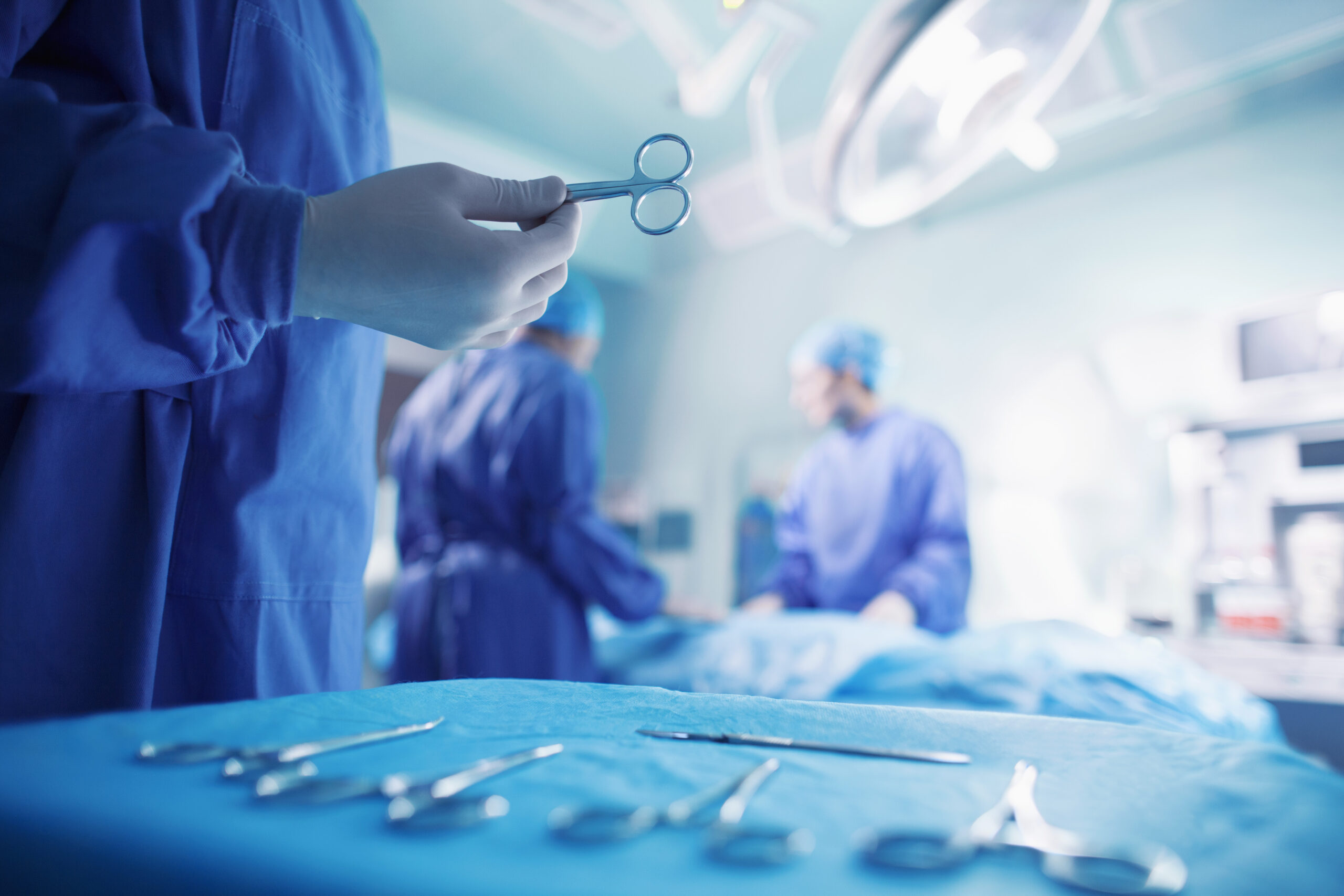
All surgeries produce some bleeding, and the body forms clots to stop blood loss. Alcohol can thin blood and disrupt clotting, increasing the risk of excessive bleeding.
This risk is amplified if you’re taking anticoagulant medications or have an underlying clotting disorder.
Aftereffects of drinking alcohol before surgery
Alcohol use raises the chance of postoperative complications, ICU admission, and death.
Interference with medications
Alcohol can interact with drugs given before, during, and after surgery, producing adverse reactions or making medicines less effective.
This is particularly concerning if you require pain relievers, sedatives, or other perioperative medications.
Bleeding, infection, sepsis
Alcohol use increases the likelihood of postoperative hemorrhage. It also elevates the risk of infections at the surgical site, in the lungs, or the urinary tract.
A weakened immune response can progress to sepsis and septic shock, conditions that threaten life.
Slower healing and extended recovery
If significant blood loss occurs during surgery, you might need a transfusion, which can prolong recovery. Impaired clotting also slows wound healing.
Overall recovery can be lengthened if alcohol-related complications arise during the operation. Alcohol can damage the liver, pancreas, and nervous system, making recuperation more difficult.
Alcohol use is independently associated with acute confusion or delirium after surgery.
Cardiopulmonary complications
Alcohol impacts both the heart and lungs. Chronic heavy drinking or even a single binge episode can cause dehydration and may lead to:
- high blood pressure (hypertension)
- low blood pressure (hypotension)
- irregular heartbeat (arrhythmia)
- weakened heart muscle (cardiomyopathy)
- stroke
Any of these conditions will complicate postoperative recovery.
Alcohol and bariatric surgery
If you’re considering bariatric surgery, discuss your alcohol use with your surgeon well ahead of time. Talk about how much you currently drink and what might happen if you continue to drink after surgery.
A 2018 systematic review and meta-analysis found a notable increase in alcohol use disorder two years after gastric bypass.
This increase was not seen after gastric banding. One explanation is that bypass procedures alter how your body processes alcohol.
What to do about alcohol before surgery
When it comes to alcohol and surgery, what your medical team doesn’t know can harm you.
The most important action is to be fully honest about your alcohol intake. Whether you had one drink the night before, recently binge drank, or have alcohol dependence, telling your doctors can save your life.
Adhere to all preoperative instructions about food, alcohol, and medicines. If you are a heavy drinker, begin tapering as soon as surgery becomes a possibility.
Consult your physician if you believe you cannot stop safely. Abrupt cessation in those who are dependent can cause alcohol withdrawal syndrome.
Withdrawal symptoms typically appear within 6 to 24 hours but can occur up to 5 days after the last drink. They may include:
- tremors
- upset stomach
- profuse sweating
- elevated blood pressure
- anxiety and agitation
- delirium or hallucinations
- seizures
Withdrawal can make surgery and recovery hazardous. Provide your medical team with full information ahead of time so they can plan for the safest approach.
Possible measures include:
- starting treatment for alcohol use disorder
- using medications to manage withdrawal
- rescheduling the operation (if it’s safe)
- modifying anesthesia and other perioperative medications
Conversations about alcohol use with your doctor are kept confidential.
Takeaway
Every surgery carries some risk. Drinking before surgery or failing to inform your surgeon about alcohol use only increases that risk.
Even a single drink before surgery can be dangerous and isn’t worth the gamble. Therefore, you should not drink alcohol before an operation.
It’s recommended to stop drinking at least 48 hours before surgery, and ideally a week or two beforehand.
Be sure to talk with your healthcare providers about alcohol before surgery so they can take steps to help ensure the best possible outcome for you. Also see related topics such as alcohol and hair loss and alcohol blood thinners ate for more information.























Leave a Reply
You must be logged in to post a comment.