

Tretinoin is a medication commonly used to treat acne and skin damaged by sun exposure. While it won’t eliminate deep wrinkles, it can improve the look of surface lines, fine wrinkles, and hyperpigmentation.
Tretinoin is the generic term for a synthetic form of vitamin A. It’s marketed under various brand names. Retin-A is one such brand and should not be confused with retinol.
Below we’ll explore why a clinician may prescribe tretinoin, how it affects acne and wrinkles, and important considerations before beginning therapy.
What is tretinoin?
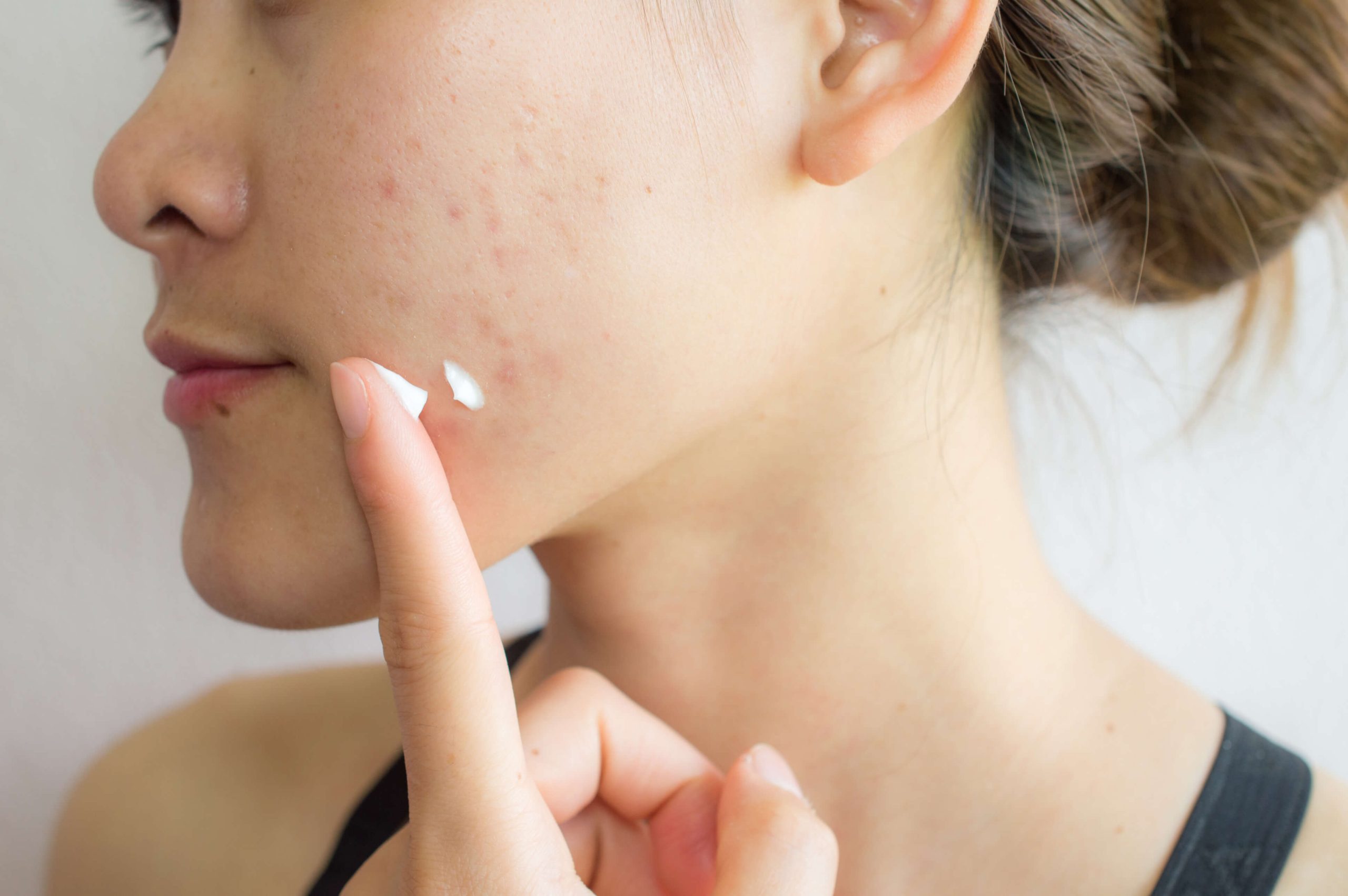
Tretinoin is a prescription-strength topical cream or gel. It’s primarily used for acne, sun-damaged skin, and mild wrinkles.
Though it may seem counterproductive, tretinoin works by mildly irritating the skin and accelerating the turnover of skin cells. It causes cells to replicate and shed more quickly so fresher, healthier cells replace the old ones.
Brand names for tretinoin include Altreno, Renova, and Stieva.
It’s also commonly included in combination formulations within some skincare products.
What’s the difference between tretinoin and retinol?
Retinoids are a family of compounds derived from vitamin A. Both tretinoin and retinol belong to this category.
Both tretinoin and retinol are topical agents used for similar skin concerns. They both encourage rapid exfoliation and boost collagen and elastin production, which results in smoother skin. However, they’re not identical.
Retinol is:
- a natural form of vitamin A
- gentler and less likely to irritate sensitive skin
- available over the counter
- found in many nonprescription cosmetics and skincare items
Tretinoin is:
- a synthetic form of vitamin A
- more potent than retinol
- available only by prescription
- less well tolerated by very sensitive skin
If retinol hasn’t given you the desired results, consider asking a healthcare provider whether tretinoin might address your skin concerns.
Summary
Retinol is a natural vitamin A derivative available without a prescription.
Tretinoin is a synthetic vitamin A derivative that is stronger and requires a prescription.
What is tretinoin used for?
Tretinoin as a topical therapy has been used for decades to treat mild to moderate acne — for nearly 50 years. Combination tretinoin products may include antibacterial agents for acne management.
Studies indicate that tretinoin can be effective at:
- reducing fine lines and skin roughness
- treating cystic acne
- exfoliating the skin
A 2017 review reported solid clinical evidence that topical retinoids are effective against both noninflammatory and inflammatory acne.
With consistent use, tretinoin can help clear existing acne and lower the frequency and severity of breakouts.
What should you tell a doctor before using tretinoin?
Before starting tretinoin, discuss your specific skin issues with a physician or dermatologist.
Also mention the following:
- If you’re pregnant: There isn’t enough controlled research on tretinoin’s safety in pregnancy. If you are pregnant or planning to become pregnant, discuss potential risks and benefits to make an informed choice.
- If you’re breastfeeding or chestfeeding: It’s unclear whether tretinoin transfers into breast milk, so it may be best avoided.
- Your sun exposure: Inform your doctor if your work requires significant time outdoors.
- Medications you use: Provide a list of all medications and topical products you use so your clinician can check for interactions with tretinoin.
If a clinician determines tretinoin is appropriate, make sure you understand how to apply it, how long it may take to see results, and signs that warrant stopping use.
How to apply tretinoin on your skin
Before applying tretinoin, ensure you:
- have a clean face
- remove all makeup and wash gently
- avoid excessive washing or scrubbing, which can increase irritation
After washing and drying, wait 20 to 30 minutes before putting on tretinoin.
Steps for applying tretinoin
- Use it once daily, preferably at night.
- Squeeze roughly half an inch or less of cream or gel onto your fingertip.
- Gently apply to the targeted areas that need treatment.
- The product should absorb quickly. If it sits on the surface, try applying slightly less next time.
- Using more product or applying it more frequently won’t speed results and may increase irritation.
Follow with a moisturizer, as skin tends to become dry while cells shed.
Tretinoin is for external use only. Avoid contact with eyes, mouth, or nostrils. While using tretinoin, limit or avoid:
- sunlight and tanning lamps
- wind and very cold conditions
- harsh soaps and styling products
- cosmetics that dry the skin
Avoid skin contact with substances that can interact with tretinoin, such as:
- alcohol
- astringents
- lime
- strong spices
Some improvement may be noticeable in 2 to 3 weeks, but full benefits can take 6 weeks or longer.
If you don’t see progress by 12 weeks, or if you’ve had major improvement and are considering reducing frequency, consult your doctor.
Are there any side effects?
Keep in mind that tretinoin commonly causes some skin irritation when you begin treatment. Mild to moderate dryness, peeling, and itching during the first few weeks are typical.
These effects usually lessen as skin acclimates to the medication.
Stop using tretinoin and contact a clinician if irritation does not improve in a few weeks or if you develop:
- persistent or worsening irritation
- blistering or crusting
- swelling
- severe discoloration
- temporary changes in skin pigment
Frequently Asked Questions
When should you use retinol?
Retinol is best applied at night or before sleep because sunlight can degrade it and increase skin sensitivity.
When should you use tretinoin?
Tretinoin should be applied at night to avoid sun exposure and to prevent mixing with daytime skin products.
The bottom line
Tretinoin is a safe and effective option for treating acne and can also diminish the appearance of surface wrinkles and sun-related dark spots.
Although initial irritation is common and results may take months, tretinoin can encourage smoother, healthier-looking skin.
Discuss with a physician or dermatologist to determine whether tretinoin is appropriate for your skin.


















Leave a Reply
You must be logged in to post a comment.