

Because there’s limited research on weight changes related to IUDs, it’s hard to say definitively how your weight may respond after an IUD is taken out. More investigation is needed to clarify whether removal leads to weight loss or gain.
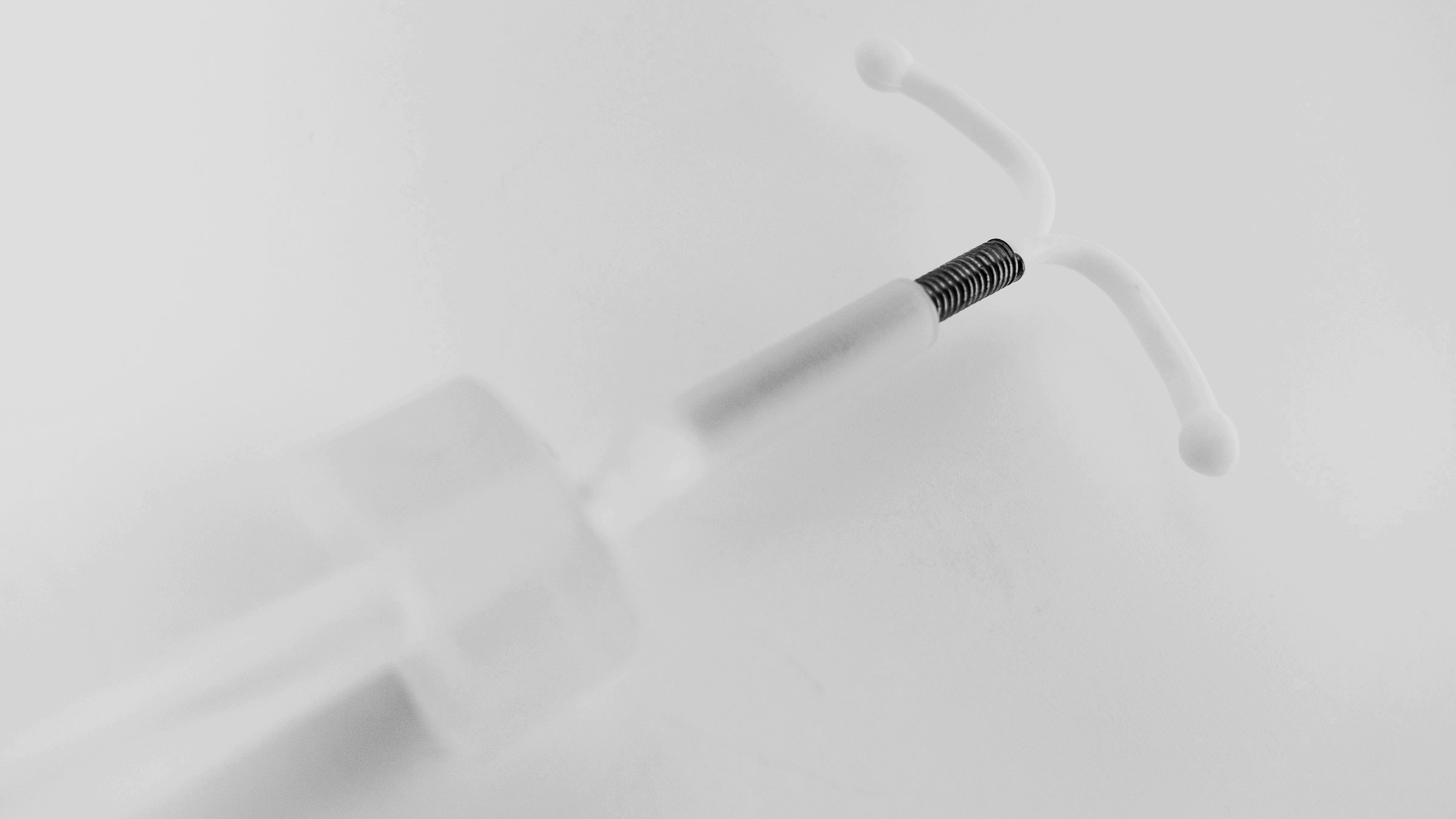
An intrauterine device (IUD) is placed inside the uterus to prevent pregnancy for roughly 3 to 12 years, according to Planned Parenthood. The exact duration depends on the IUD’s type and brand.
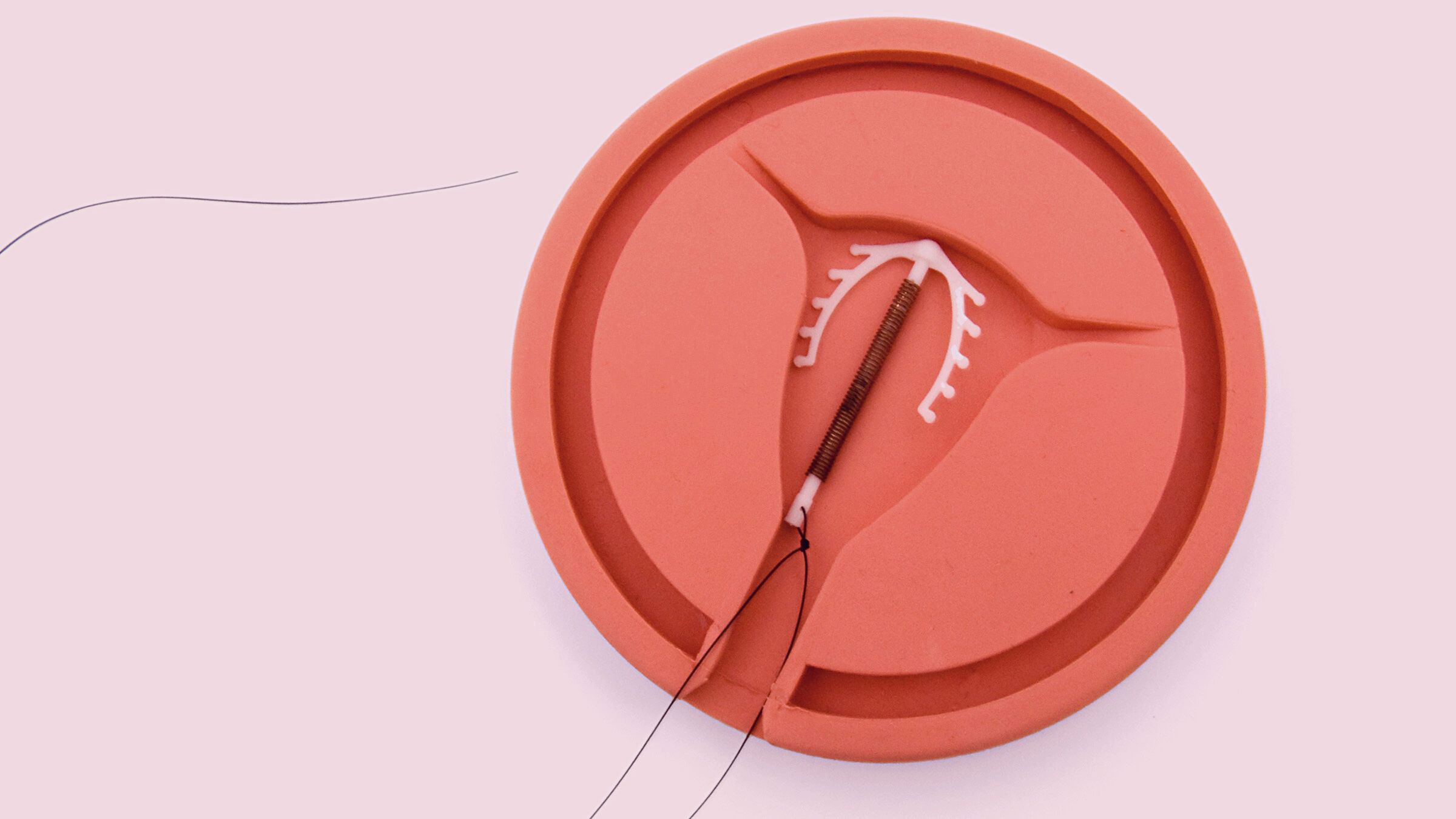
Like other contraceptives, IUDs can be associated with side effects, including changes in weight.
For many people, these side effects are mild and barely noticeable.
Others, however, experience more pronounced, persistent symptoms. Some individuals report that these effects continue for months after the IUD is removed.
What’s the short answer?
IUDs are an effective form of contraception that many find convenient and reliable.
That said, anecdotal accounts indicate it’s possible to have undesired weight shifts both while the IUD is in place and following its removal.
After an IUD is taken out, someone might notice:
- weight gain
- weight loss
- difficulty losing weight despite changes in diet and physical activity
Some people describe a cluster of symptoms called the “Mirena crash,” which can include weight changes. However, there’s currently scant scientific evidence supporting this phenomenon.
Why might this happen?
Because reports of weight gain or loss after IUD removal are mainly anecdotal, there’s no definitive scientific explanation for why it occurs.
It could be related to hormonal shifts that influence appetite, mood, and energy.
Some people gain weight while using hormonal contraception. When they stop, hormone levels can take months to normalize, and weight may fluctuate during this adjustment period.
The same principle applies to hormonal IUDs. Once removed, the body must adapt to the abrupt reduction in progestin. In theory, this hormonal change could contribute to weight shifts and other symptoms people associate with the Mirena crash.
Other potential symptoms linked to the Mirena crash — such as depression and poor sleep — can also contribute to weight gain.
Why is there so little research?
Historically, medical research has emphasized people assigned male at birth and hasn’t sufficiently investigated reproductive and general health issues in people assigned female at birth.
This gender gap in clinical research means scientists may have limited knowledge about how drugs and side effects affect those assigned female at birth, including hormonal contraceptives.
That lack of study may explain why many reports remain anecdotal from those who experienced them personally.
If you observe notable weight changes despite maintaining the same eating and exercise patterns, it’s reasonable to consider other contributors, such as your IUD or its recent removal.
Can other side effects occur?
Short-term effects like cramping, bleeding, or dizziness can happen after a clinician removes your IUD.
Following removal of Mirena and other hormonal IUDs, some people report additional symptoms beyond weight changes, including:
- nausea
- lowered libido
- depression, anxiety, and other mood alterations
- fatigue and decreased energy
- insomnia
- headaches
- hair thinning or loss
- acne
- pain during intercourse
- breast soreness or tenderness
These effects may not appear immediately. Some people notice shifts several weeks after removal.
How long will IUD-related effects last?
Because research on the aftermath of IUD removal is limited, there isn’t a clear timeline for how long these symptoms may persist.
Some people report that weight changes and other symptoms resolve within a few weeks. Others say they struggled to lose weight for months after removal. Still others notice no difference at all.
As your hormone levels return to their usual balance, these side effects will likely subside on their own. The timeline varies, but many notice improvement within a few months.
Can you minimize side effects?
Unwanted weight gain and other side effects from stopping hormonal birth control can feel upsetting and disempowering.
Instead of drastically cutting calories or overdoing exercise, focus on changes that support overall wellbeing and leave you feeling nourished and capable.
These approaches can help improve mood and physical health:
- Choose fiber-rich, mood-supporting foods.
- Keep well hydrated.
- Spend time outdoors, especially in sunlight.
- Make regular physical activity part of your routine if you’re able.
- Aim for 7 to 9 hours of sleep nightly.
- Consider practices like yoga and meditation for stress management.
- Lean on friends and family for emotional support.
When should you see a clinician?
If unwanted symptoms persist beyond several weeks after IUD removal, it may be helpful to consult a doctor or other healthcare provider.
Healthy weight loss often takes time, but if you’re trying to lose weight and see no progress, a healthcare professional can provide guidance and support.
If symptoms include depression, anxiety, or other mood disturbances, a mental health provider can help explore causes and treatment options.
It’s wise to seek care sooner rather than later if symptoms begin to interfere with daily life or cause significant distress.
Optum Now is operated by RVO Health. By clicking on this link, we may receive a commission. Learn more.
The bottom line
Currently, research on IUD removal doesn’t substantiate long-term side effects, including sustained weight changes. One possible reason is the limited number of studies specifically looking at IUD removal.
Future research into potential long-term outcomes of IUD removal could clarify possible symptoms and underlying causes.
In the meantime, trust your knowledge of what’s normal for your body. If you notice unusual physical or mental changes, it’s always sensible to consult with a healthcare professional.























Leave a Reply
You must be logged in to post a comment.