
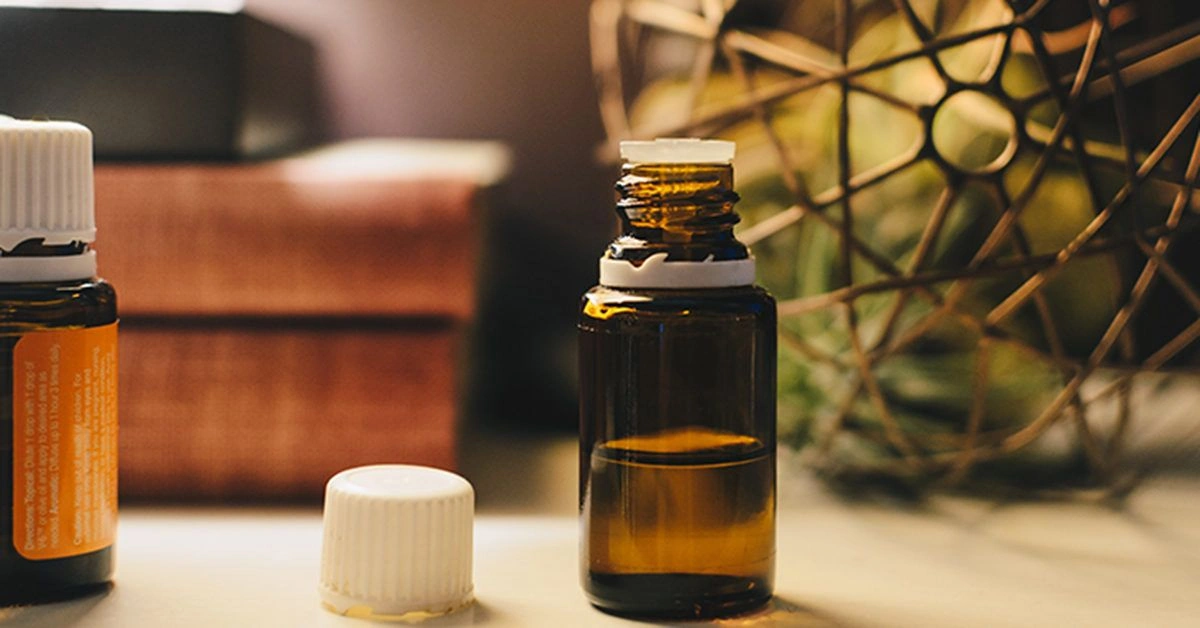
Olibanum oil serves a variety of purposes, particularly in spiritual rituals, perfumery, and aromatherapy. It’s also applied in skin care and other wellness contexts.
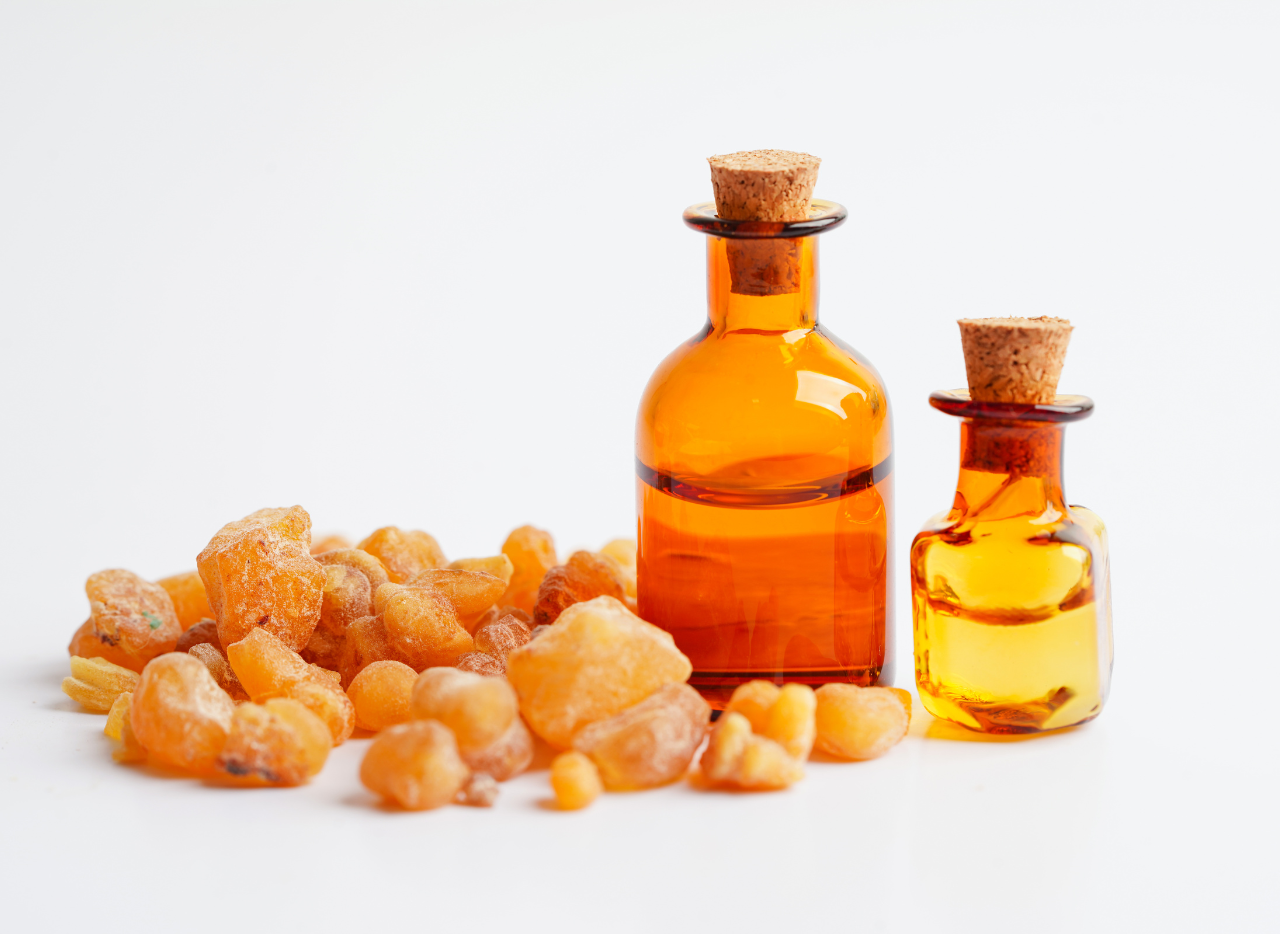
This oil is an essential oil obtained from the resin of trees in the Boswellia family.
The oil from these trees is commonly called frankincense oil. In Western regions frankincense is the more familiar term, while olibanum is frequently used closer to the trees’ native areas.
Below we’ll review olibanum oil’s historical and contemporary health uses, recommended applications, and what current research indicates.
Health effects of olibanum oil
Olibanum essential oil is attributed with several health-related properties, many originating from traditional medicine and folk practices in its native range.
In parts of Asia, olibanum was traditionally employed as an antimicrobial agent and as a so-called “blood cleanser.” Such folk uses persist in some communities today.
In Western markets, the commercially produced essential oil is promoted for topical uses in skin care and general wellness. Some advocates even suggest it may help treat cancer or inflammatory disorders, though these assertions often lack robust evidence.
Historically and religiously, olibanum was burned as incense and it remains popular in aromatherapy. Essential oils continue to be used for scent therapy: people diffuse them, mix them with carrier oils for topical application, or add them to baths.
Learn more about frankincense and cancer.
Research-supported uses of olibanum oil
Anti-inflammatory
Olibanum oil has long been used to ease inflammation, and contemporary research supports its use for similar purposes today.
Some complementary health practitioners recommend it for conditions such as osteoarthritis or rheumatoid arthritis. Topical formulations containing olibanum oil are marketed for inflammatory conditions like arthritis.
How to use
For localized pain and inflammation on intact skin, dilute the essential oil before applying. A common guideline is 1 drop of essential oil per 1 ounce of carrier oil.
Avoid ingesting olibanum essential oils.
Learn more about essential oils and arthritis.
Antimicrobial
One of the earliest recorded uses of olibanum is as a remedy for wounds.
A 2023 study indicated this effect may be due to antimicrobial activity. The oil can inhibit bacteria and other microbes that might cause infections, though further studies in humans are needed beyond laboratory findings.
How to use
For minor wounds, you can blend olibanum (frankincense) essential oil with a carrier oil and apply lightly as an antiseptic. Use the same dilution guideline: 1 drop per 1 ounce of carrier oil such as coconut or sweet almond oil.
If symptoms of infection worsen, consult your physician. Discuss with your doctor whether olibanum oil is a suitable option before using it.
Heart health
Laboratory research suggests olibanum may reduce cardiac damage in models of autoimmune myocarditis in rats.
Human studies are still necessary to confirm these effects.
How to use
Apply diluted essential oil topically—typically 1 to 3 drops per 1 ounce of carrier oil—on areas such as the neck or wrists daily. Ask your doctor about standardized oral supplements or extracts from reputable manufacturers.
Liver health
The antioxidant properties of olibanum oil might offer protection to liver cells. A 2024 study reported that frankincense extract inhibited the migration and invasion of induced liver cancer cells in rats. As with other animal studies, more human research is needed.
How to use
For topical use, dilute the essential oil—about one drop per 1 ounce of carrier oil—and apply to areas like the neck or wrists daily. Consult your physician about possible oral extracts from trusted sources.
Side effects of olibanum oil
When used properly, olibanum oil is generally considered safe. However, internal consumption of essential oils is of uncertain safety and may carry risks or toxicity. Always dilute essential oils with a carrier oil before skin application.
Do not ingest essential oils. Check with your doctor before starting any supplement.
Topical use of properly diluted olibanum essential oil typically presents minimal risk. Never put undiluted essential oil directly on the skin, as it can cause burns, irritation, or adverse skin reactions.
Stop using any olibanum product and consult your doctor if you experience any of the following:
- nausea
- diarrhea
- acid reflux
- skin irritation or reactions (from topical use)
These may be side effects of the botanical or indicate an allergy to olibanum.
Even when diluted, topical application can cause allergic responses or rashes. Perform a patch test with diluted oil before using it for health reasons to check for sensitivity or allergic reaction.
Olibanum oil can interact with medications. Review your current medications with your doctor before using the oil.
Takeaway
Olibanum oil is another name for frankincense oil. It’s widely sold as an essential oil and also available as extracts or supplements for its anti-inflammatory and antimicrobial qualities.
Speak with your doctor to determine if olibanum oil is appropriate for you. Always use it safely—dilute for topical use and avoid ingesting the concentrated essential oil.
Do not rely solely on olibanum essential oil to treat a medical condition.

















Leave a Reply
You must be logged in to post a comment.