

Overview
Itchy gums can indicate a range of underlying issues. These may include periodontal problems, allergic reactions, hormonal fluctuations, and other causes. Identifying the root cause of your gum itch will help you choose the appropriate treatment and relieve the irritation.
Oral health involves more than just caring for your teeth. Your gums — the fragile tissue that shields your teeth, roots, and nerves — are sensitive and require attention too. Neglect can lead to chronic gum conditions with potentially serious outcomes.
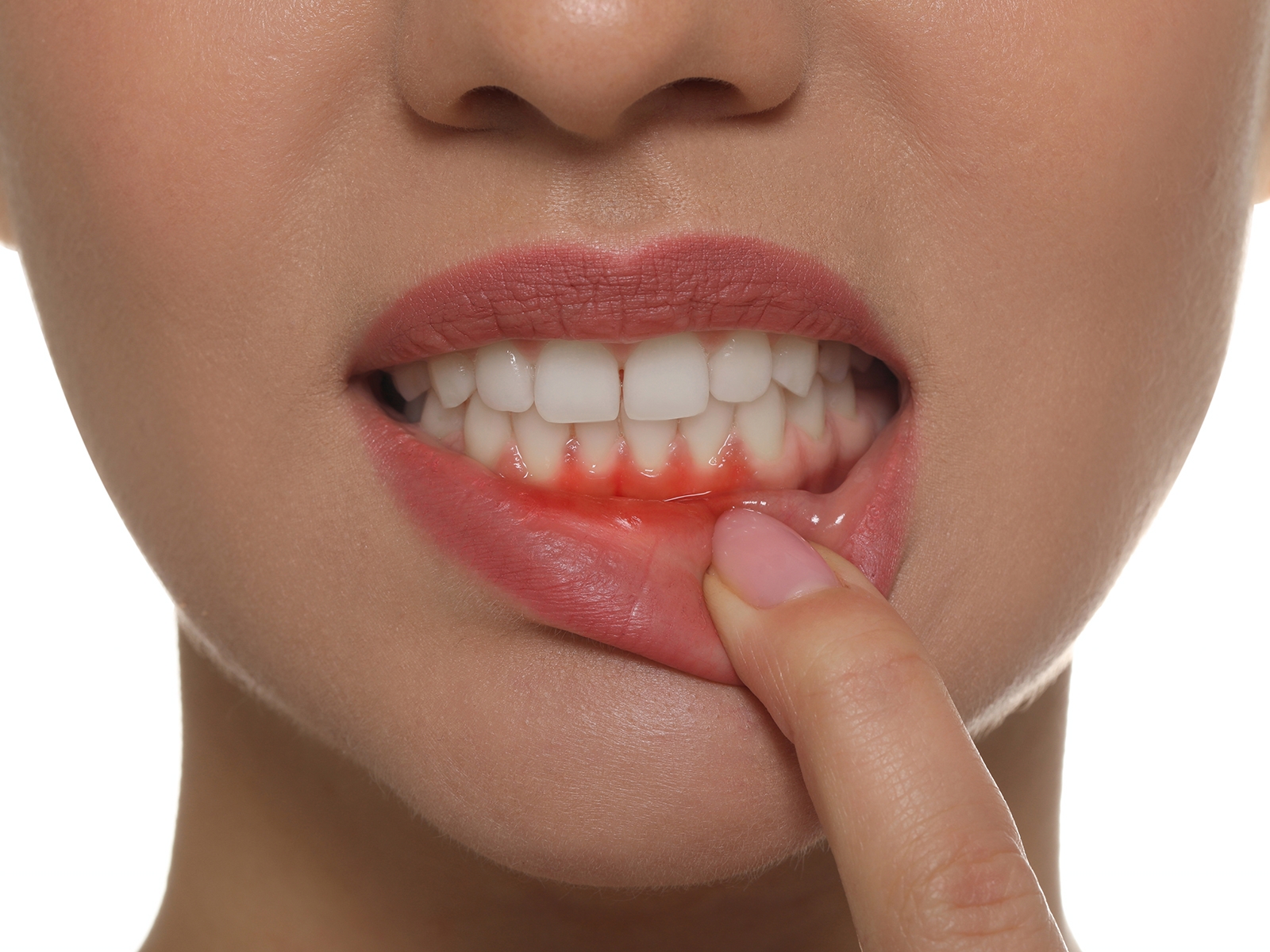
Possible causes
Determining what’s triggering your itchy gums makes it easier to treat them. If you’re unsure of the cause, schedule a visit with your dentist. Together, you can eliminate potential causes until you pinpoint the reason for the itching.
Gum injuries
Trauma or damage to the gums can produce discomfort, pain, and itching. Such injuries might come from a physical blow sustained during sports or other activities. They can also arise from behaviors like teeth grinding (bruxism), which can cause headaches, jaw soreness, and even gum itchiness. Gums may also become irritated and itchy from using e-cigarettes and vaping products.
Plaque accumulation
A thin film of plaque — a colorless, sticky residue — can accumulate over time. Saliva and food particles combine with bacteria to form this buildup. Left unchecked, plaque can progress into gum disease. Signs of plaque accumulation include gum tenderness, bleeding when brushing, and an itching sensation in the gums.
Gingivitis
The initial stage of gum disease is gingivitis, a mild form of periodontal disease that results from plaque buildup. At this stage, gingivitis typically hasn’t caused more severe complications.
Allergic reactions
An allergy or sensitivity to certain substances may lead to itchy gums. Triggers can include particular foods, seeds, medications, and pet dander. Seasonal allergies, such as hay fever, can also cause gum itching.
Hormonal changes
Changes in hormone levels can affect gum sensation. Women may notice more frequent gum itching during pregnancy, puberty, menstruation, or menopause. These times can also bring other oral symptoms like pain, increased sensitivity, and bleeding.
Dry mouth
Your mouth normally maintains its own moisture, but certain health conditions or medications can reduce saliva production. A lack of adequate saliva leads to dry mouth, and itchy gums are a common symptom of this condition.
Ill-fitting dental devices
Poorly fitting dentures or partials can cause trouble. If these appliances don’t sit properly against your gums, food particles can become trapped. Bacteria may proliferate and an infection can form, resulting in inflammation, sensitivity, and itchy gums.
Treating itchy gums
Treatment for itchy gums depends on the underlying cause. Some remedies can be done at home, while others require professional dental care.
Procedures and medicines
- Antihistamines:If allergies are behind the itch, antihistamines can help relieve the symptoms.
- Teeth guards:Use a mouth guard during contact sports and while sleeping to prevent further dental damage.
- Plaque scaling:An electric device used by dentists can remove tartar and plaque above and below the gum line — areas that brushing alone often can’t reach.
- Root planing:For severe tartar buildup associated with gum recession, your dentist may smooth root surfaces to remove deposits and allow gums to reattach to healthy tissue.
- Laser therapy:Laser treatment can remove plaque and tartar and may be useful alongside traditional scaling and planing.
Home remedies and self-care
- Proper dental hygiene:Brushing and flossing twice daily is essential for oral health. Consider a toothpaste formulated to reduce tartar and plaque. If you have inflammation or gum infections, an alcohol-free antiseptic mouthwash may be beneficial. Consistent care prevents many future issues.
- Salt water:Dissolve 1 teaspoon of salt in 8 ounces of warm water. Gently swish the solution in your mouth and then spit it out. Salt water can soothe itching and irritation in the gums.
- Ice cubes:Suck on ice chips to cool the gums and reduce itching. This also helps with hydration.
- Lifestyle changes:Smoking and vaping can aggravate gum health; quitting may stop the itching. Avoiding foods that irritate gums — especially spicy, acidic, starchy, or sugary items — can also help.
How to prevent itchy gums
The best prevention for itchy gums is proper care of your teeth and gums. Fewer dental problems mean fewer signs of periodontal disease and less gum irritation.
These steps can help you prevent itchy gums:
- Have regular cleanings:See your dentist every six months for professional cleanings and checkups. These visits help spot potential problems early.
- Brush and floss daily:Brush and floss at least twice a day. If you’ve had inflammation or infection issues, rinse with an alcohol-free antiseptic mouthwash.
- Rinse your teeth after meals:While brushing is best, rinsing after eating removes food particles and reduces bacterial growth.
- Limit irritating foods:Cut back on acidic, starchy, and sugary foods that can aggravate sensitive gums. If certain foods trigger itching, reduce their consumption to relieve symptoms.
When to see your doctor
Schedule an appointment with your dentist if itching persists for three days along with other symptoms. In some instances, the itching may subside on its own. If it doesn’t improve, a dental professional can help determine the cause.
Outlook
Your oral health is closely tied to your overall well-being. Caring for your gums and teeth supports your general health. If you notice unusual signs or symptoms, identify and address the cause to avoid future complications. Ignoring issues can increase the risk of more serious dental problems, including advanced periodontal disease and tooth damage.



















Leave a Reply
You must be logged in to post a comment.