
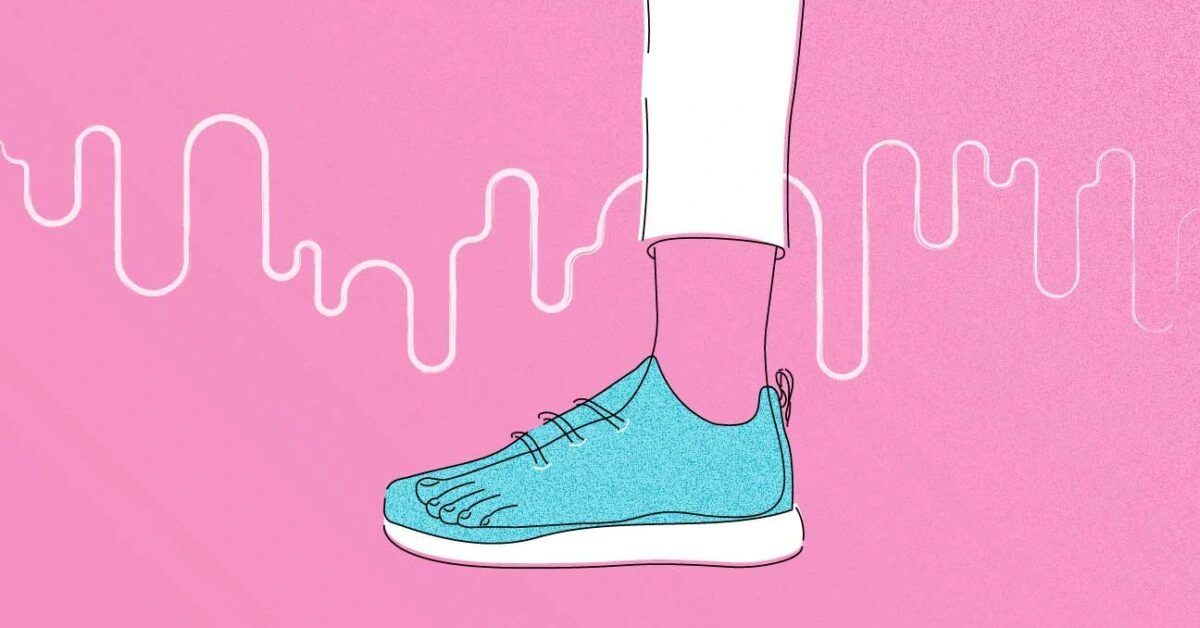
You can often reduce how much your feet perspire by selecting specific socks and shoes and by using various products, including antiperspirants.
Modern fitness gadgets push many to walk, run, and sweat more than ever. For people with hyperhidrosis — excessive sweating — slipping off damp socks without having exercised is far from pleasant.
According to the International Hyperhidrosis Society (IHS), roughly 5 percent of the global population — about 367 million individuals — experience problems related to excessive sweating.
Hyperhidrosis means you may produce considerably more sweat than is normal for exercise or anxiety. In essence, your sweat glands stay “on” longer than they should and fail to shut off appropriately.
People with plantar hyperhidrosis (sweaty feet) often contend with soaked shoes, athlete’s foot, toenail fungus, or chronically cold feet.
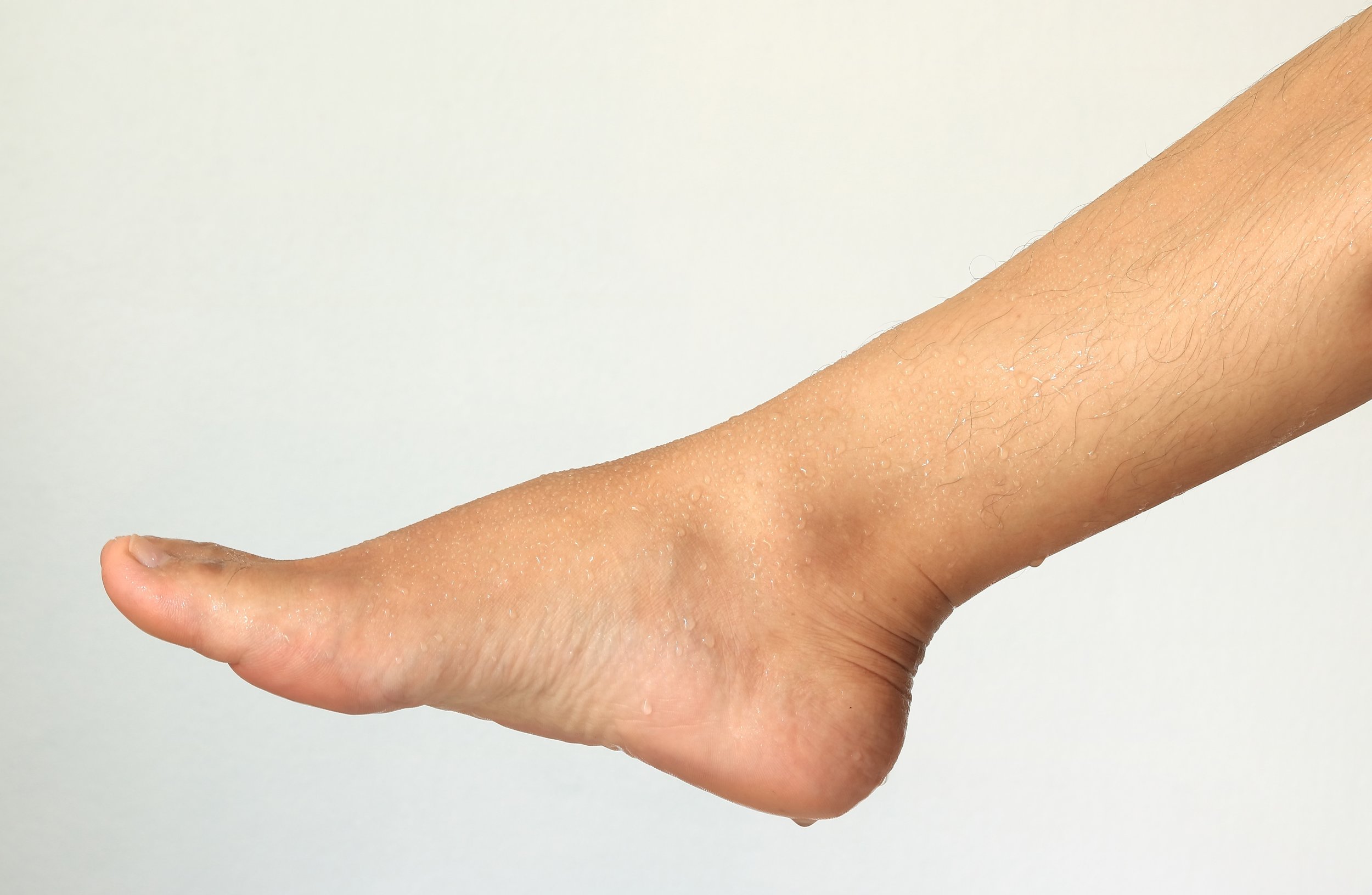
What causes sweaty feet?
Researchers still struggle to pinpoint the exact triggers for these intense sweating episodes, though there may be a genetic link. Hyperhidrosis most commonly appears in childhood or adolescence, but it can begin at any age.
Some forms of hyperhidrosis are secondary, meaning they stem from another medical issue. Plantar hyperhidrosis, however, is most often:
- idiopathic/primary — with no clear cause
- often accompanied by excessive sweating of the palms
In rare cases, certain genetic disorders may be a secondary reason for excessive sweating of the palms and soles.
If you suspect an underlying health condition is causing your sweaty feet, consult your physician.
Feet facts
- Five percent of people experience extreme sweating.
- Plantar hyperhidrosis (sweaty feet) can contribute to toenail fungus or athlete’s foot.
Your plan for managing sweaty feet
To control sweaty feet, you’ll need a clear plan. Begin by following the American Academy of Dermatology’s recommendation to keep a diary tracking when and how sweating episodes happen. That can help you spot triggers — for example, particular foods or situations — to avoid.
Wash your feet daily
Managing plantar hyperhidrosis also means stepping up your hygiene. Wash your feet every day, and twice daily if required.
Whichever routine you choose, be sure to dry your feet completely, especially between the toes. Damp skin fosters bacterial and fungal infections.
Dr. Suzanne Fuchs of LuxePodiatry recommends a brief 20-minute soak in warm water with 3 to 4 tablespoons of baking soda.
She also suggests black tea soaks because tannins in the tea can help constrict pores, potentially reducing sweat production. Replace the baking soda with two black tea bags and soak an extra 10 minutes.
Use antifungal powders to keep feet dry
Sweaty feet increase your risk of athlete’s foot, a fungal infection. Keeping feet dry is key to preventing fungal issues.
Cornstarch is often recommended to absorb moisture. Zeasorb is another over-the-counter antifungal powder many people find effective.
Pick the correct antiperspirant
The IHS recommends antiperspirants as a first-line option because they’re affordable, easy to apply, and noninvasive. Sprays like Odaban and roll-ons such as Driclor work by temporarily blocking sweat glands and reducing sweating.
Apply antiperspirants just before bed and rinse them off in the morning (after at least 6 hours). Nighttime application allows less sweating and better buildup of the antiperspirant barrier. If you have sensitive skin, consult your doctor before trying these products.
Wear appropriate socks
Don’t neglect your socks. Wool and cotton are especially breathable. Avoid nylon socks, which trap moisture and promote dampness. Change socks more than once daily if needed and carry an extra pair when you’re out.
Shop for wool socks or cotton socks online.
Choose breathable shoes
When selecting shoes, avoid heavy boots and some athletic shoes that trap moisture. Opt for more ventilated options made from canvas or leather.
Rotate your footwear to keep all pairs drier. Removable absorbent insoles add protection against odor. Whenever possible, take off shoes (and socks) to let your feet air out.
Shop for absorbent insoles online.
Think about other treatments
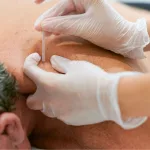
Additional treatments include botulinum toxin (Botox) injections, which can be effective but painful and not always permanent. Iontophoresis is another option.
Doctors may prescribe oral medications, though side effects like dry mouth are common and undesirable for many people.
Remember, outcomes differ between individuals. In most cases, plantar hyperhidrosis doesn’t require immediate medical attention, but see a physician if measures don’t help.
Your doctor may review medications that could worsen sweating or investigate other causes if you have widespread sweating with symptoms such as chills, weight changes, or other signs.














Leave a Reply
You must be logged in to post a comment.