

It goes without saying that a rash on your penis is uncomfortable, so figuring out what’s behind it is crucial. Causes can range from eczema and allergic responses to more serious issues such as sexually transmitted infections (STIs).
Irritation of the penis is an unpleasant but fairly common issue. You may notice pain, itching, swelling, a rash, or other symptoms on or near your penis.
A variety of medical issues can lead to penis irritation. At times, an activity or a minor injury is the trigger. Pinpointing the origin of your discomfort helps you and your clinician choose an effective approach.
Read on to find out what might be responsible for your penis irritation.
11 Causes
1. Genital psoriasis
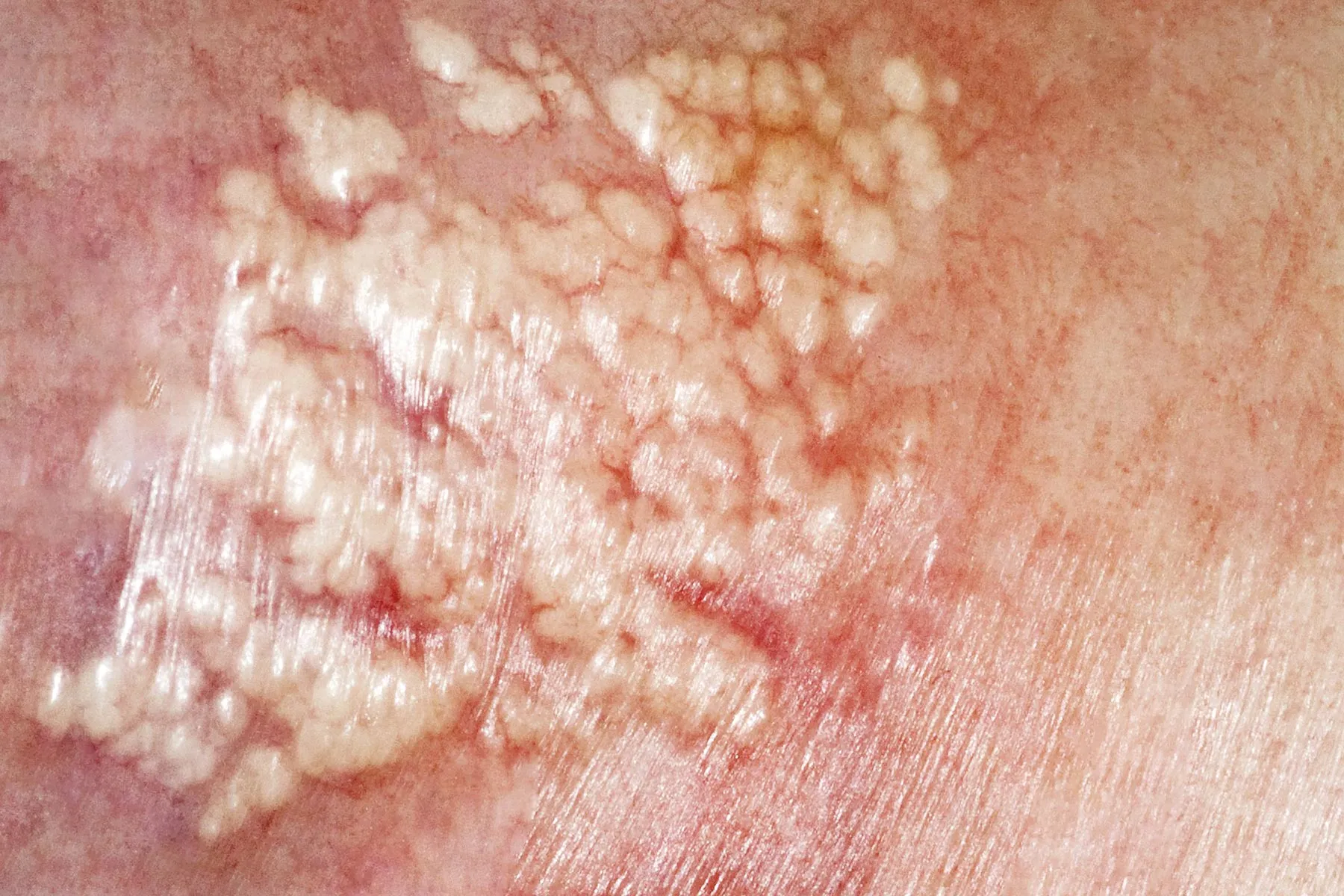
Genital psoriasis is an autoimmune disorder that produces small, red patches on the penis. The affected skin may appear scaly or glossy, and you could have itching or soreness.
Researchers don’t fully understand why psoriasis develops. It can affect men who are circumcised and those who are not.
2. Eczema
Eczema creates an itchy, flaky, red rash on the skin. This rash can appear almost anywhere on the body, including the penis.
About 31.6 million people in the United States have some form of eczema.
3. Allergic reaction
An allergic response can cause itching, irritation, and a rash on the penis. Certain ingredients in soaps, fragrances, or spermicides may be responsible. Sensitivity to latex in condoms can also trigger a reaction.
4. Sexually transmitted infections (STIs)
Some sexually transmitted infections, passed via sexual activity, can cause bumps, sores, blisters, warts, redness, swelling, and itching around the penis.
Clinicians have identified more than 20 STIs. Examples include:
- genital herpes
- syphilis
- gonorrhea
- human immunodeficiency virus (HIV) and acquired immunodeficiency syndrome (AIDS)
If you suspect an STI, it’s important to consult your healthcare provider.
5. Balanitis
Balanitis is inflammation of the skin covering the head of the penis. Signs may include:
- redness
- swelling
- itching
- rash
- pain
- foul-smelling discharge
Balanitis is more common in uncircumcised males and those with poor hygiene. Possible causes include:
- an infection
- an allergic reaction
- chronic skin disorders
- another underlying health problem, such as diabetes
6. Yeast infection
A yeast infection can produce an itchy, spotty rash on and around the penis. You may also feel burning and notice a thick white discharge in the genital area.
The fungus most often responsible is Candida albicans.
Many yeast infections respond to over-the-counter (OTC) antifungal treatments. Sometimes they can progress to balanitis.
7. Friction
Any activity that generates friction on the penis can cause redness and soreness.
Tight clothing can lead to chafing. Sexual intercourse or masturbation may cause excessive rubbing and irritation. For related causes, see friction burn penis.
8. Lichen sclerosus
Lichen sclerosus is an uncommon skin condition that frequently affects the genital and anal areas. It can produce patchy, white skin on the penis, and may cause redness, itching, pain, blistering, scarring, or bleeding.
Although it most often affects postmenopausal women, males can be affected too, particularly uncircumcised boys and men.
The cause of lichen sclerosus is unknown.
9. Peyronie’s disease
Peyronie’s disease leads to formation of hard scar tissue within the shaft of the penis, causing it to curve to one side when erect.
This disorder can cause pain in and around the penis.
Physicians don’t know the exact cause of Peyronie’s disease. It may sometimes resolve without treatment, but severe cases could require surgery.
10. Ingrown hair
Ingrown hairs commonly occur where you shave, but they can appear wherever hair grows, including on the penis. These hairs can produce itchy, red, painful bumps resembling pimples.
Usually, ingrown hairs clear up on their own.
11. Urinary tract infection (UTI)
Although UTIs are more frequent in women, men can also develop urinary tract infections when bacteria accumulate in the urinary tract.
Symptoms may include difficulty urinating or a burning or tingling sensation during or shortly after urination.
Antibiotic treatment typically clears this type of infection.
Causes in babies and young children
In infants, penis irritation may caused by diaper rash. Eczema and fungal infections are also common triggers. Some children are sensitive to chemicals that irritate their skin.
Uncircumcised boys are at higher risk for certain conditions like balanitis that can cause irritation.
Home remedies
You may be able to ease some irritation at home using the following approaches:
- Moisturizers or anti-itch creams. Choose creams formulated specifically for the genital area, which are less likely to contain harsh ingredients.
- Salt baths. A salt soak can help reduce itching and discomfort.
- Cool compresses. An ice pack or cool cloth can soothe irritation. Wrap it in a towel before applying to avoid over-cooling the skin.
- Abstaining from sex. Avoid sexual activity and other behaviors that may aggravate the penile skin until symptoms settle.
Although these measures can offer temporary relief, it’s important to see your doctor to determine whether medical treatment is needed.
When to seek help
See a healthcare provider if your irritation is severe or persists. Many causes of penile discomfort are treatable.
How to prevent penis irritation
To help prevent penis irritation:
- Wash the area regularly using a gentle, soap-free cleanser.
- Dry the head of the penis before dressing.
- Wash your hands before and after using the toilet.
- Wash and dry the penis after sex or masturbation.
- If uncircumcised, retract the foreskin and clean around the head of the penis and beneath the foreskin at least once daily.
Also be mindful of practices like genital jewelry; if you’re considering modification, review risks such as infection and irritation and consult resources about penis piercing.
Outlook
Penile irritation can stem from numerous causes. You may have an underlying medical issue that requires attention, or you may simply need to avoid actions that worsen the irritation.
In any case, consult your healthcare provider if symptoms do not resolve on their own.




















Leave a Reply
You must be logged in to post a comment.