
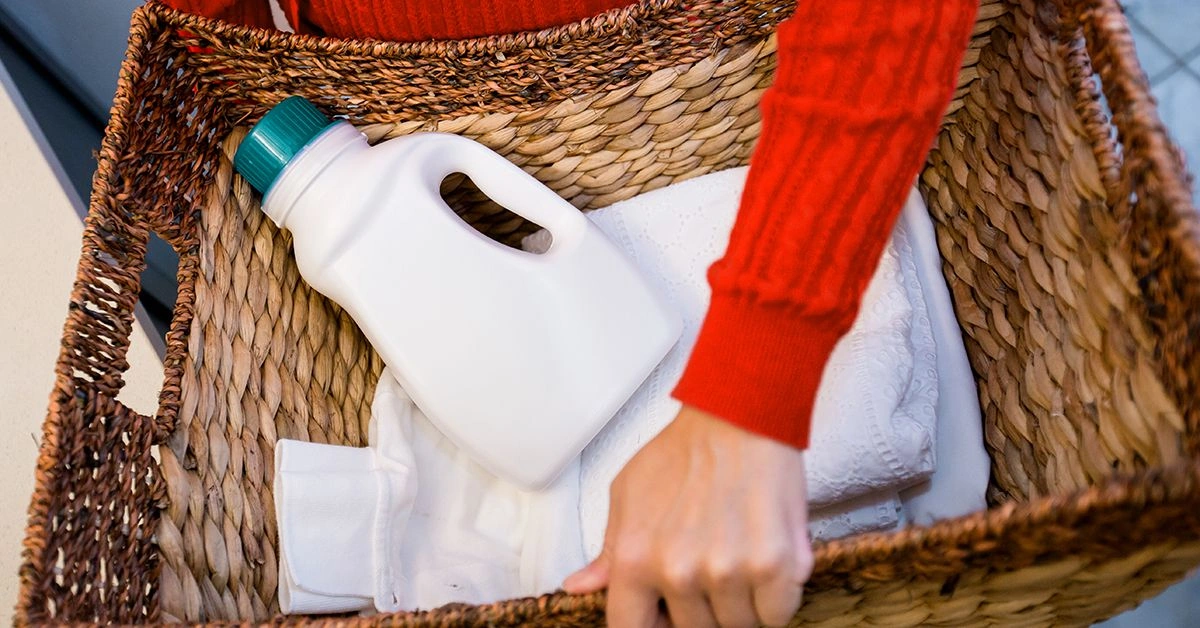
If you live with eczema, you might need to be more selective when shopping for laundry detergent and laundering your clothing. Certain common ingredients can provoke eczema symptoms.
Your garments should feel comfortable against your skin, but sometimes fabrics can be a bit abrasive.
For many people that’s just a minor annoyance, but for those with eczema, avoiding anything that may irritate already-sensitive skin is crucial.
That even extends to the detergent you use. Be mindful of typical ingredients that can spark flare-ups. Fortunately, there are numerous mild and natural options that help protect your skin.
Keep reading to find out how to pick the best laundry detergent if you have eczema.

Can laundry detergents provoke eczema?
Compounds and additives in many laundry detergents can irritate sensitive skin in people with eczema, potentially causing flare-ups.
Fragrances, perfumes, surfactants, and preservatives are frequent offenders that often trigger eczema symptoms. Dyes and optical brighteners may also worsen your condition.
In particular, watch for:
- essential oils
- fragrances
- ethanol
- cocamidopropyl betaine
- propylene glycol
- urea
- lanolin
- retinoids
Eczema-friendly detergents
When selecting laundry detergent, read labels carefully and look for terms like “dye-free,” “fragrance-free,” and “hypoallergenic.”
The National Eczema Association also suggests choosing a liquid laundry detergent over a powder because liquids are less likely to leave residues behind.
You can also use your washer’s “extra rinse” option to help remove more soap residue from clothes after washing.
Laundry best practices
If you or someone in your household has eczema, consider adopting these routines:
- Use mild products: Make sure all laundry items are fragrance-free and dye-free, including fabric softeners.
- Pre-wash everything: Wash new clothes and bedding before wearing or using them. This will remove any finishes or chemicals applied during manufacturing.
- Rinse thoroughly: If your washing machine has an “extra rinse” cycle, use it regularly to reduce leftover detergent.
- Prefer the dryer: Air-drying outdoors can expose clothes to airborne allergens, especially when pollen is high. Using a dryer can avoid that.
- Separate loads when needed: You may want to wash clothing for people with eczema on its own. Alternatively, run an empty cycle between scented and unscented loads.
- Avoid fabric softeners: If possible, skip fabric softeners since they often contain fragrances that can trigger eczema.
:max_bytes(150000):strip_icc()/spr-detail-all-liquid-laundry-detergent-clear-sensitive-skin-amazon-dburreson-023-2-1-573318a891f34ad3a693b113e5f349ec.jpeg)
Natural alternatives
Dermatologists generally advise people with eczema to use gentle detergents. If you prefer to avoid commercial products, you can make simple alternatives at home.
For instance, you might wash clothes with baking soda or white vinegar. You can also swap dryer sheets and liquid softeners for wool or plastic dryer balls.
Tips for managing eczema
Beyond changing your laundry routine, certain lifestyle habits can support eczema control.
- Moisturize frequently: Apply a moisturizer several times daily, choosing products without dyes, fragrances, or other likely irritants.
- Skip scented body products: If you avoid scented detergents, you should also avoid fragranced soaps and cleansers for your skin. Opt for a gentle, fragrance-free cleanser.
- Take warm showers: Short, warm showers are usually better for eczema-prone skin than long hot baths.
- Pat dry after bathing: Gently pat your skin with a towel instead of rubbing, and moisturize right afterward.
- Track your triggers: Note what seems to provoke flares. Common triggers include heat, sudden temperature changes, environmental allergens, and pet dander.
- Choose appropriate clothing: Wear soft, breathable fabrics that aren’t too tight against the skin.
- Discuss topical options with your doctor: Mild eczema may be managed with a rich moisturizer, but many people need topical medications for itch and inflammation.
- Manage stress: Stress can trigger eczema. Consider practices such as mindfulness, yoga, tai chi, or acupressure to help reduce stress.
When to see a doctor
If symptoms persist despite changing your laundry practices, consult your healthcare provider.
Another cause may be fueling your symptoms, and a clinician can suggest additional lifestyle changes or adjust topical or oral therapies.
The bottom line
For people with eczema, choosing mild, fragrance-free laundry detergents can make a difference. Some detergents contain components that may provoke eczema, so watch for dyes, preservatives, and scents. You may also find helpful information about rashes from detergent as you refine your laundry choices.

















Leave a Reply
You must be logged in to post a comment.