
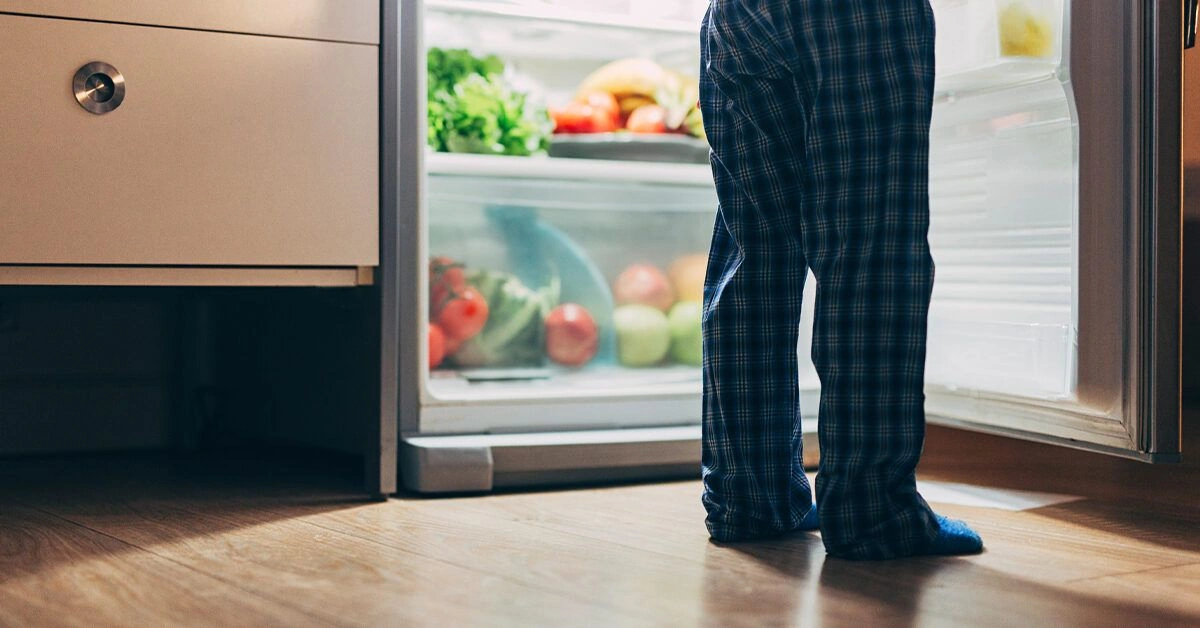

There are a number of reasons you might end the day feeling hungry. Some causes, like eating less to control your weight, are choices you make. Other causes, such as not having reliable access to food, are beyond your control.
Generally, finishing meals a few hours before bedtime is considered healthy, provided you obtain sufficient calories and nutrients throughout the day.
If you’re worried that an empty stomach will keep you awake, there are plenty of nutritious late-night snacks you can choose. And if food insecurity is the issue, we link to helpful resources below.
Keep reading to learn whether it’s okay to sleep hungry, what possible effects it can have, and which foods are suitable to eat before bed.
Is it OK to go to bed hungry?
Heading to bed hungry can be fine if you’re meeting your daily nutritional needs or are following a sensible weight-loss regimen. In many instances, sticking to a healthy eating routine will naturally leave you a bit hungry by bedtime.
Below are some common reasons for nighttime hunger and whether they signal a problem that needs attention.
Sticking to a sensible meal pattern
A typical healthy eating pattern includes three meals per day, with light snacks in between when necessary.
So depending on your bedtime, finishing dinner in the early evening and not eating afterward can leave you slightly hungry hours later as you fall asleep.
Reducing calorie intake
If you intentionally cut calories to lose weight, you might find yourself going to bed hungry.
Ensure your overall diet remains balanced, even if you follow a more restrictive approach like keto or vegan. That helps make nighttime hunger less concerning.
Some forms of intermittent fasting limit the times you can eat, which may cause hunger before or around bedtime if your sleep overlaps with your fasting window.
Not getting enough sleep
Sleep deprivation can also leave you feeling hungry at night.
Being overtired increases ghrelin, a hormone that stimulates appetite and cravings.
Insufficient sleep can also disrupt leptin, another hormone that helps regulate satiety, making you feel hungry even after eating.
Getting adequate nightly sleep is important to reduce feelings of hunger at bedtime.
Undernutrition or malnourishment
Nighttime hunger can be a sign of malnutrition. Experiencing hunger because of limited food access is a different and serious concern.
Undernutrition — a form of malnutrition — is often defined as eating fewer than 1,800 calories per day and lacking essential vitamins, minerals, and other nutrients.
Prolonged undernutrition can stunt growth in children and cause various health issues in both children and adults.
Millions of families face food insecurity
Millions of households across the United States struggle to provide enough nutritious food for every family member. If you need assistance, you can find a local food bank through this link. You may also be eligible for the Supplemental Nutrition Assistance Program (SNAP); learn more about that program here.

Are there side effects from going to bed hungry?
Going to bed hungry can leave you feeling unsatisfied, but it may be healthier than eating too close to sleep. Nighttime eating is linked to several negative effects.
Consuming meals late in the evening can contribute to weight gain and a higher body mass index (BMI).
Eating right before bed can also cause indigestion and fragmented sleep. As your body prepares to rest, metabolism slows and you typically don’t require extra calories.
Research highlights risks tied to late-night eating:
- A 2013 study noted that eating within four hours of bedtime could lead to consuming more calories overall.
- A 2014 study found that later eating may increase total daily calorie intake and promote weight gain because people end up eating more frequently.
- A 2017 study observed that eating close to when melatonin production begins (a few hours before bed) can be associated with higher body fat percentage.
Late-night eating may also worsen heartburn and disrupt sleep quality.
What should I eat before bed?
If hunger is strong enough to keep you up, a light, easy-to-digest snack can help you sleep without upsetting your stomach.
Choose foods and habits that promote sleep while minimizing digestive discomfort.
Foods with tryptophan
Snacks containing the amino acid tryptophan can support sleep by helping the body produce serotonin.
Examples of foods with tryptophan include:
- turkey
- chicken
- fish
- nuts
- eggs
:max_bytes(150000):strip_icc()/6-Reasons-Youre-Waking-Up-Hungry-4e22949ff04d43e8a58a0b60e9526354.jpg)
Whole grains
Pairing a small amount of tryptophan-containing protein with a whole-grain carbohydrate is a good option. Whole grains are complex carbs that are less likely to upset your stomach.
Whole-grain choices include:
- bread
- crackers
- cereal
What to avoid
Steer clear of foods that are slow to digest, likely to cause heartburn, or may interfere with sleep. Avoid foods that are:
- fried
- spicy
- high in sugar
- greasy
Also be mindful of what you drink before bed. Excess fluids can cause frequent nighttime urination (nocturia), while alcohol and caffeine can make it harder to fall or stay asleep.
If you’re wondering about wearing special apparel that might affect circulation overnight, read more on whether you should you wear compression socks to bed.
How can I prevent feeling hungry before bedtime?
If you regularly need food before bed, adjusting what and when you eat during the day can help you avoid late-night hunger.
Evaluating your daily meals can help you plan so you’re satisfied well before bedtime.
Tips to reduce nighttime hunger or late-night snacking include:
- Figure out how many calories you need each day. Spread your intake across the day and aim to stop eating well before bedtime. A typical adult diet is around 2,000 calories per day, though needs vary.
- Eat three regular meals each day. Add small, nutritious snacks between meals if necessary.
- Choose a varied diet. Include fruits, vegetables, lean proteins, low-fat dairy, and whole grains.
- Have more protein and fiber at dinner. These nutrients help you feel fuller longer.
- Avoid overeating unhealthy foods. Limit items high in refined sugar, salt, and saturated fat.
- Think twice about liquid calories. Drinks like smoothies are digested faster than solid foods and may not keep you full as long.
How can I get better access to food?
Lack of access to adequate food is a serious public health concern.
According to Feeding America, more than 37 million Americans struggle with hunger due to poverty or limited access to affordable, nutritious food.
During the COVID-19 pandemic these numbers rose; in 2020, job and housing losses contributed to nearly 54 million people losing consistent access to nutritious meals.
Going to bed hungry by circumstance can increase risks for obesity, asthma, and other health issues, rather than protect you.
If malnutrition or limited food access is why you’re going to bed hungry, consider these steps:
- Locate a nearby food bank
- Apply for SNAP benefits
- Sign up for state or federal unemployment assistance if you’ve lost work
- Explore moving to a neighborhood with better grocery access if that’s affordable and practical
The takeaway
Going to bed hungry can be safe if you consume a balanced diet during the day. Avoiding late-night meals can help prevent weight gain and a higher BMI.
If you’re too hungry to sleep, choose light, easy-to-digest foods that support sleep and steer clear of large, spicy, sweet, or greasy meals before bed.
However, hunger at night caused by malnutrition or chronic sleep deprivation is concerning and should be addressed.



















Leave a Reply
You must be logged in to post a comment.