
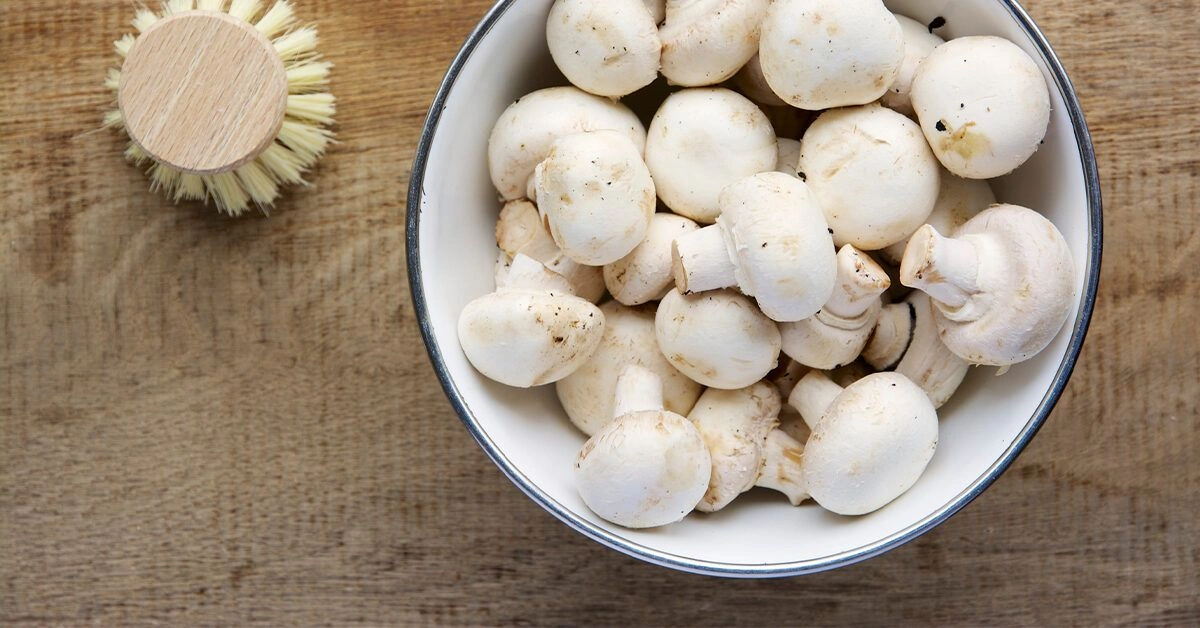
Mushrooms are the reproductive structures of fungi and have long been used by humans for both cooking and medicinal purposes (1, 2, 3).
Still, concerns exist about mushroom-related poisoning and possible brain effects in people who are pregnant. Many hold negative views of certain mushrooms, particularly psilocybin-containing (magic) mushrooms, which produce hallucinatory effects (4).
This piece outlines the nutritional advantages of mushrooms, clarifies which varieties are safe to eat in pregnancy and which should be avoided, and offers practical tips for preparing and cooking them.

Nutritional makeup and health advantages of mushrooms
Mushrooms are low in fat and calories yet abundant in B vitamins and minerals, and they display antioxidant and anti-inflammatory effects (1, 2).
Additionally, they can act as prebiotics, supporting a healthy gut microbiome (3).
On average, a half-cup (84 grams) of edible mushrooms contains (1, 5, 6, 7):
- Carbohydrates: 19 grams
- Protein: 2.9 grams
- Fat: 0.4 grams
- Niacin: 21% of the recommended daily value (DV)
- Riboflavin: 22% DV
- Selenium: 27% DV
Oyster mushrooms have slightly more calories, protein, and fiber compared with some other varieties, but they are relatively low in selenium (1, 8).
Mushrooms that have been exposed to ultraviolet (UV) light—either from the sun or a UV lamp—can be a valuable plant-based source of vitamin D (1, 9).
Vitamin D plays a crucial role in fertility and pregnancy, supporting skeletal health and being linked to lower risks of some adverse pregnancy outcomes (10).
SummaryCulinary mushrooms provide B vitamins, selenium, and potentially vitamin D (if exposed to UV light). They also possess antioxidant and anti-inflammatory qualities.
Which mushrooms are safe to eat during pregnancy
Overall, mushrooms deliver multiple nutritional benefits and can be part of a pregnancy diet.
Although most edible mushrooms are regarded as safe during pregnancy, selecting the safest types is still important.
Culinary (edible) mushrooms
Common culinary mushrooms—such as shiitake, portobello, oyster, maitake, chestnut, crimini, and white button—are generally safe to consume (1, 11, 12).
In an animal study with pregnant rats, shiitake intake lowered maternal triglycerides without causing developmental changes in offspring (11).
In a human study of 1,162 pregnant participants, consuming 100 grams of white button mushrooms daily from before pregnancy through 20 weeks was associated with lower rates of high blood pressure, gestational diabetes, and preeclampsia (12).

Medicinal mushrooms
Medicinal varieties—like chaga, turkey tail, lion’s mane, reishi, and Cordyceps—are typically considered safe in general populations. They have been linked to lowering cholesterol, protecting against ulcers, and enhancing immune function (13, 14, 15).
That said, clinical studies in pregnant people are sparse, and further research is necessary to confirm safety during pregnancy.
SummaryBoth edible culinary mushrooms and many medicinal varieties are generally safe, though culinary mushrooms have been studied more thoroughly. They appear to offer benefits without causing observable fetal harm in available studies.
Mushrooms to avoid while pregnant
Psilocybin (magic) mushrooms
Magic mushrooms contain the psychoactive chemical psilocybin and are used for their hallucinogenic, mind-altering effects (16, 17, 18).
They can trigger panic reactions in some people and produce hallucinations—perceiving sights, sensations, or sounds that aren’t real. Fatalities linked to psilocybin have mainly occurred when other substances were also involved (16, 19).
Interest in psilocybin for psychiatric therapy has grown in recent years because it may help treat anxiety, depression, and addiction in controlled clinical contexts (16, 17, 18).
Because there’s no research on psilocybin use during pregnancy and given its potential to provoke hallucinations and panic, pregnant individuals are advised to avoid magic mushrooms (18, 19).
Wild (foraged) mushrooms
Wild-harvested mushrooms are also best avoided while pregnant.
Mushroom poisoning is often linked to foraging, as collectors—especially those less experienced—may mistake toxic or psychoactive species for edible ones (20, 21).
Most poisonings cause gastrointestinal upset that usually resolves within 24 hours, but some toxic mushrooms can require hospitalization and can even be lethal because of amatoxin content (20, 21).
Therefore, it’s safest to stick with labeled culinary mushrooms bought from trustworthy vendors.
SummaryAvoid psilocybin-containing mushrooms and foraged specimens during pregnancy because of their hallucinogenic or toxic risks. Choose labeled culinary mushrooms from reliable sources instead.
How to prepare and cook edible mushrooms safely
Pregnant people can enjoy culinary mushrooms in many recipes, provided a few safety steps are followed.
- Rinse to remove soil. When preparing mushrooms at home, rinse them in a bowl of water to dislodge dirt, since soil can harbor microbes that cause foodborne illness. Pat mushrooms dry afterward.
- Cook completely. Undercooked mushrooms may trigger dermatitis or other infections. Adhere to food safety guidance: cook and keep hot mushroom dishes at a minimum of 140°F (60°C) and store leftovers properly to limit bacterial growth and reduce foodborne illness risk (22, 23).
SummaryWash and cook culinary mushrooms well to ensure they are safe to eat during pregnancy. Avoid undercooked or unwashed mushrooms, which carry higher foodborne-illness risk.
The bottom line
When thoroughly washed and cooked, culinary mushrooms are safe to enjoy during pregnancy.
They contribute valuable nutrients—especially B vitamins and minerals—and can be a source of vitamin D if the mushrooms were exposed to UV light.
Avoid psilocybin (magic) mushrooms and wild-foraged mushrooms during pregnancy because of their hallucinogenic or toxic properties. As a precaution, purchase labeled culinary mushrooms from reputable food sources.
One more tip
Try this today: Expand how you use culinary mushrooms and try this stuffed-mushroom recipe for a low-calorie, nutritious starter. Also consider reading about honey during pregnancy if you’re exploring safe pregnancy food choices.









Leave a Reply
You must be logged in to post a comment.