

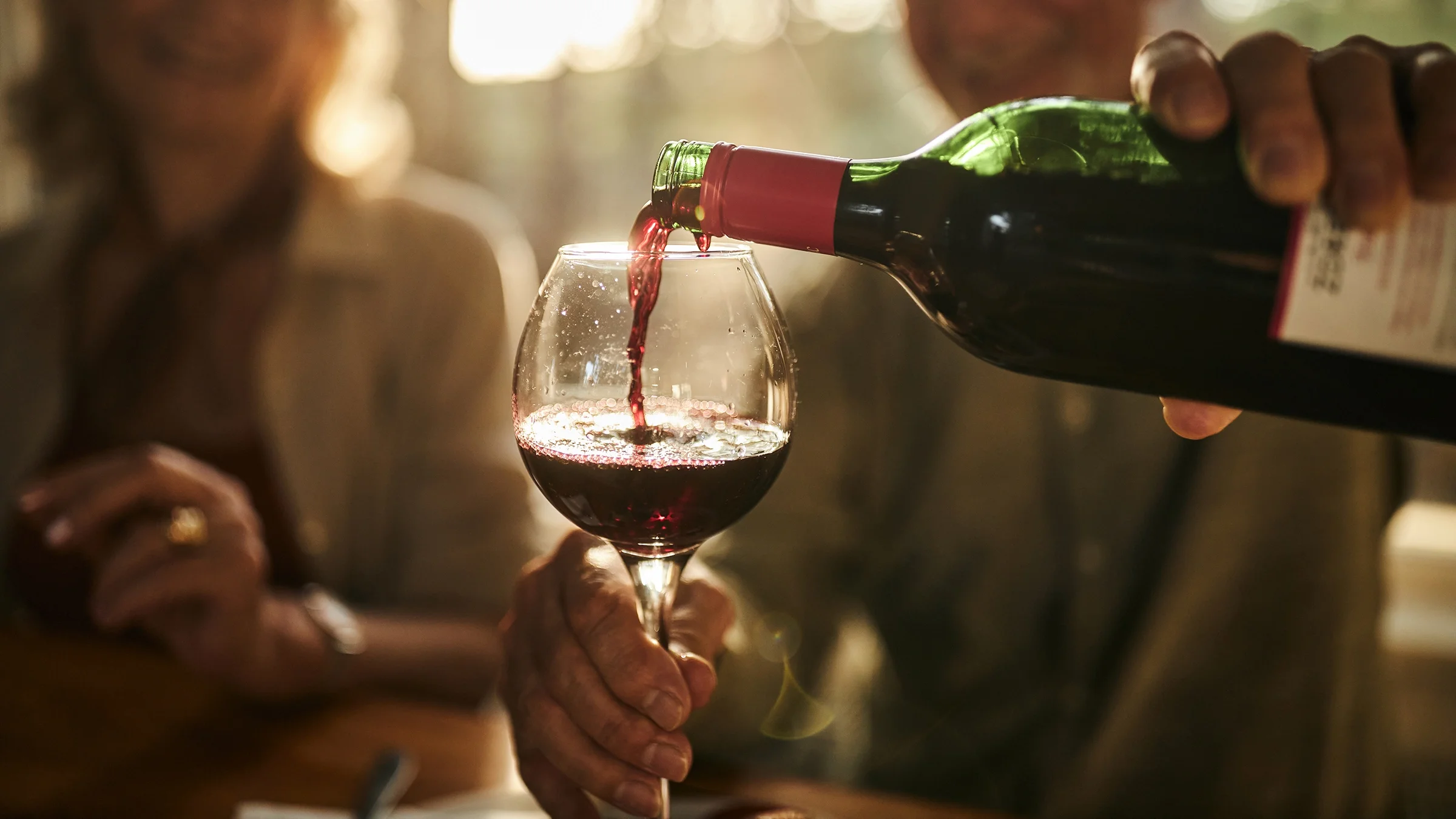
Specialists indicate that modest alcohol use is generally considered safe for people on blood thinners.
1. How risky is drinking alcohol when I’m taking a blood thinner?
Several elements influence the level of danger alcohol poses when combined with blood-thinning medication. These variables vary from person to person.
In many cases, moderate alcohol intake is acceptable for individuals on anticoagulants provided they do not have significant underlying health issues and are otherwise in good health. It remains essential to verify this with your medical provider.
Per the Dietary Guidelines for Americans, issued by the U.S. Department of Health and Human Services and the U.S. Department of Agriculture, moderate drinking is defined as up to one drink daily for women and up to two drinks daily for men.
2. What risks come with drinking alcohol while on these drugs?
If you have chronic conditions affecting the liver or kidneys, those organs will influence how the blood thinner is metabolized (broken down). Impairment can cause your blood to become too thin, elevating the chance of potentially life-threatening bleeding.
Even with normal liver and kidney function, alcohol can impair the liver’s capacity to process other substances.
Alcohol can also reduce the kidneys’ effectiveness at eliminating metabolites or medicines, including your anticoagulant, which can lead to excessive anticoagulation and the same dangerous outcomes.
3. What signs should prompt me to contact a doctor?
All anticoagulants increase bleeding risk. While traumatic injuries are a frequent cause, bleeding can also occur without an obvious injury.
Warning signs include substantial visible blood loss:
- in the urine
- in stools
- in vomit
- from an external wound
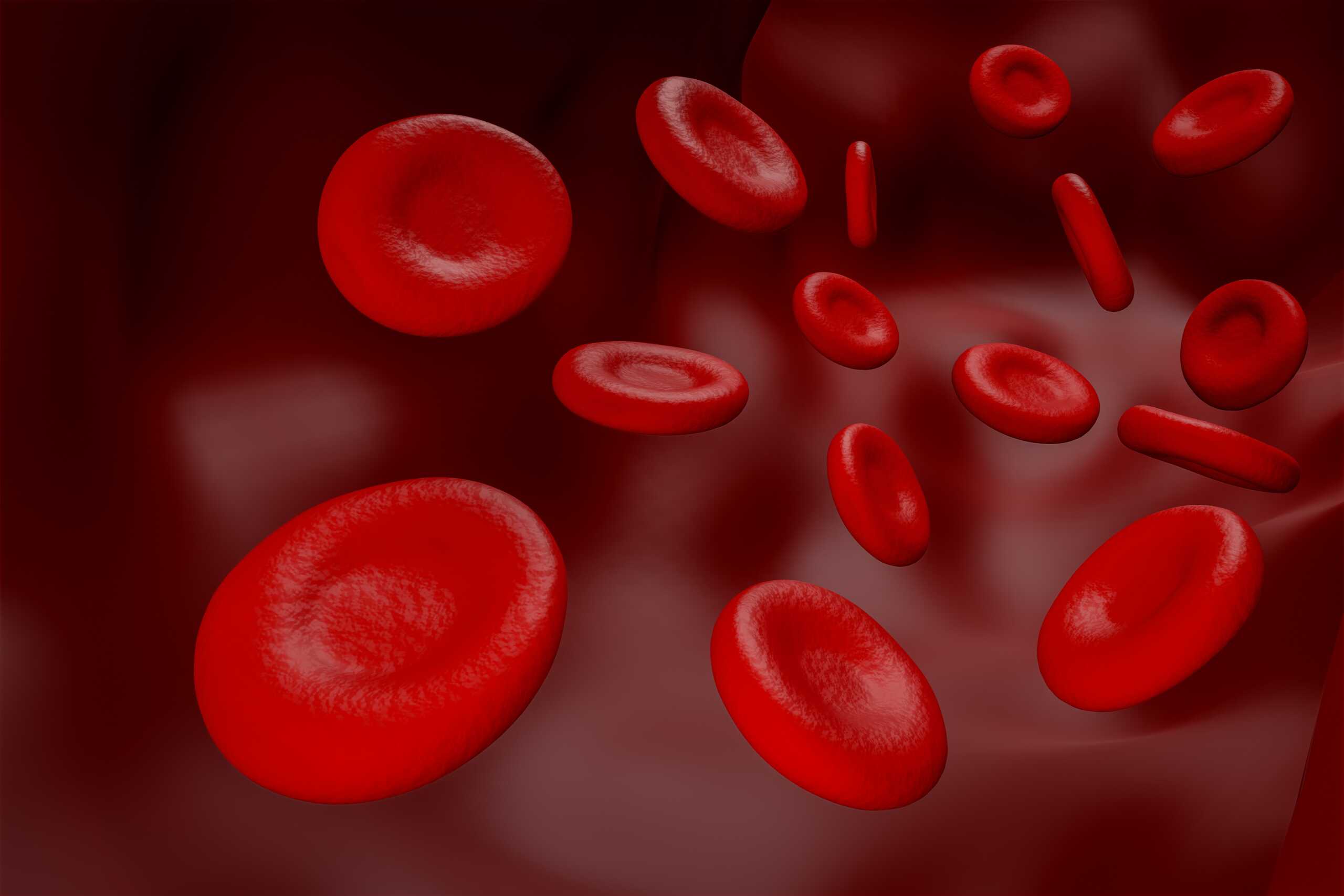
Seek immediate emergency care to control heavy bleeding. Emergency teams can also assist in resuscitating anyone who has suffered severe blood loss.
Occasionally, internal bleeding can occur with or without trauma. These events may be difficult to detect initially, but head injuries are particularly dangerous and should be evaluated by a clinician.
Typical signs of internal bleeding include:
- dizziness
- weakness
- fatigue
- fainting
- abdominal enlargement
- confusion or altered mental status
- very low blood pressure
Severely low blood pressure is an emergency. Get urgent medical attention right away if you or someone else shows signs of dangerously low blood pressure.
When tiny blood vessels are damaged by everyday activities, you might notice small bruises appearing. This is usually not alarming unless bruising is widespread or the discoloration is pronounced.
4. How does alcohol affect my cholesterol or other heart disease risks?
Many clinicians think moderate alcohol use offers notable health benefits, though opinions are not unanimous. Any alcohol consumption carries some risks.
A 2011 review of 84 prior studies reported that drinkers had fewer deaths from cardiovascular disease and stroke. The analysis also showed lower rates of coronary artery disease (CAD) and non-fatal stroke among those who consumed alcohol compared with abstainers.
This review helped shape current alcohol consumption recommendations.
The lowest risk of CAD-related death appeared in individuals drinking roughly one to two alcoholic equivalents. Effects on stroke mortality and non-fatal stroke were more neutral.
Research also indicates that moderate drinking can cause a modest rise in HDL (the “good”) cholesterol, an effect often noted with red wine, according to studies.
5. Are some anticoagulants different in their interaction with alcohol?
There are several types of blood thinners that act via distinct mechanisms in the body.
One of the oldest anticoagulants still widely used is warfarin (Coumadin). Of all available agents, warfarin is most notably impacted by heavy alcohol use. However, moderate drinking does not substantially alter warfarin metabolism.
In recent years, newer anticoagulant classes have been introduced. They provide advantages over warfarin but have their own limitations. Discuss the pros and cons with your clinician.
Examples of these newer agents include:
- direct thrombin inhibitors, such as dabigatran (Pradaxa)
- factor Xa inhibitors, such as apixaban (Eliquis), edoxaban (Savaysa), and rivaroxaban (Xarelto)
Their mechanisms are not significantly changed by alcohol. Drinking is relatively safe if you are otherwise healthy and have approval from your healthcare provider.
Consult your clinician to determine which anticoagulant is appropriate for you.
6. Are there supports or tools to help reduce my alcohol consumption?
It’s not advised to begin drinking if you currently abstain. Exercising restraint to keep alcohol use moderate can be difficult for some people.
For those struggling with alcohol use disorder, various resources and tools can assist in cutting back. The National Institute on Alcohol Abuse and Alcoholism (NIAAA), part of the National Institutes of Health (NIH), is a valuable centralized resource for alcohol-related information.
If you’re at risk for misuse, avoid settings that may encourage excessive drinking.
And remember, healthcare professionals are available to help and support you through the process.
Editor’s note: This piece first appeared on March 13, 2019. The current date reflects a medical review.















Leave a Reply
You must be logged in to post a comment.