

Your scalp can become painful for a variety of reasons, ranging from skin conditions and tension-related headaches to infections. How it’s treated depends on what’s causing the discomfort.
Scalp tenderness can stem from many issues, from easily managed dandruff to infestations or infections. Typical signs include prickling, burning, or tingling sensations, along with flaky or itchy skin.
Continue reading to discover possible causes and ways to address them.
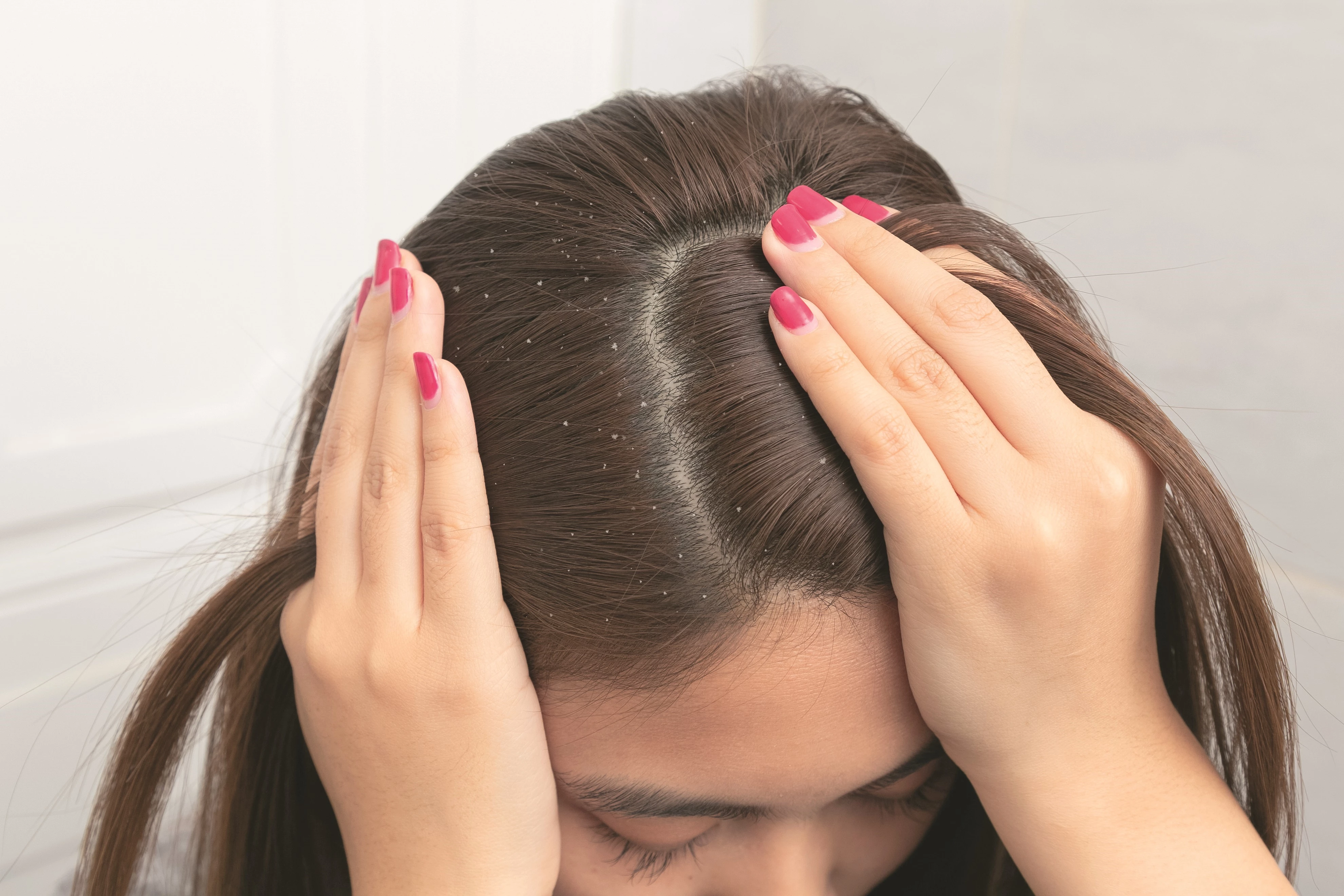
What triggers scalp tenderness?
Frequent causes of scalp pain include the following:
Skin conditions
Dermatitis is a widespread condition that involves generalized inflammation of the skin. It often presents as an itchy rash and swollen skin, and you might notice blisters, crusting, or flaking. These symptoms can be provoked by contact with many everyday items, such as:
- certain metals
- specific soaps
- poison ivy
- some cosmetics
- air pollution
- water
- particular laundry detergents
- various hair care products
Infections
Infections like folliculitis, furunculosis, and carbunculosis affect hair follicles and can lead to scalp soreness. These infections may be painful, tender, or warm when touched. They often occur on the back of the neck, the rear scalp, or in the armpit. In some cases, pus can be expressed from these lesions.
Fungal scalp infections, including tinea capitis and tinea versicolor, are more common in children and can result in hair loss.
Infestations
What appears to be dandruff may actually be lice. If you notice intense itching or red bumps that crust or discharge, seek medical care promptly. Lice spread easily and can survive up to 30 days on the scalp or body, while their eggs can persist even longer.
Headaches
Tension headaches can create scalp discomfort. Stress, anxiety, or depression can trigger or intensify these symptoms by causing muscle tightness.
Temporal arteritis
The temporal artery runs along the side of the head in front of the ear. Temporal arteritis occurs when this artery becomes inflamed and especially tender to touch. Symptoms often include jaw pain, headaches, and vision changes.
Temporal arteritis typically affects older adults, particularly those with a condition known as polymyalgia rheumatica.
Other factors
Scalp soreness may also be caused by:
- sunburn
- excessive heat
- cold exposure
- wind
This discomfort can be amplified by hair thinning or loss. For women, hormonal shifts tied to the menstrual cycle may also play a role in scalp sensitivity. In some cases cosmetic procedures like scalp bleach can aggravate tenderness if the scalp is irritated.
Risk factors to be aware of
People with naturally oily or dry scalps are more vulnerable to scalp pain and may experience sensitive skin elsewhere. You’re also more likely to have symptoms if you:
- are under significant stress
- experience anxiety
- have depression
- live in regions with fluctuating or cold weather
- have allergies
- have asthma
How is scalp discomfort treated?
Treatment depends on the cause and symptoms. Medicated shampoos such as Selsun Blue or Head & Shoulders may ease itching and flakiness.
Try switching shampoos, rinsing hair thoroughly, and brushing gently. Over-the-counter pain relievers like ibuprofen can reduce inflammation and relieve headache-related sensitivity.
Certain essential oils, such as lavender or rosemary, may help soothe lesions that contribute to scalp pain. However, applying undiluted essential oils directly can worsen irritation, so always dilute them first.
To dilute, add 4 to 6 drops of essential oil per ounce of a carrier oil. Sweet almond oil is a good option for hair.
Test the blend on a small area of skin, such as your forearm, and wait 24 hours to check for a reaction. If no adverse reaction occurs, it should be safe to use on your scalp.
Massage the mixture gently into your hair and scalp. Leave it on for 15–20 minutes, then rinse out. You may need to shampoo gently up to three times and rinse thoroughly.
If symptoms persist or worsen, seek medical attention. If initial treatments don’t improve your irritation, a doctor may prescribe stronger medications or specialized shampoos. When necessary, your physician might refer you to a dermatologist for further care.
The takeaway
While some people naturally have a sensitive scalp, an underlying medical issue could also be responsible. If your symptoms are severe or ongoing, book an appointment with your healthcare provider. How long it takes to resolve depends on the cause; relief might come in a few days or could take several weeks.




















Leave a Reply
You must be logged in to post a comment.