
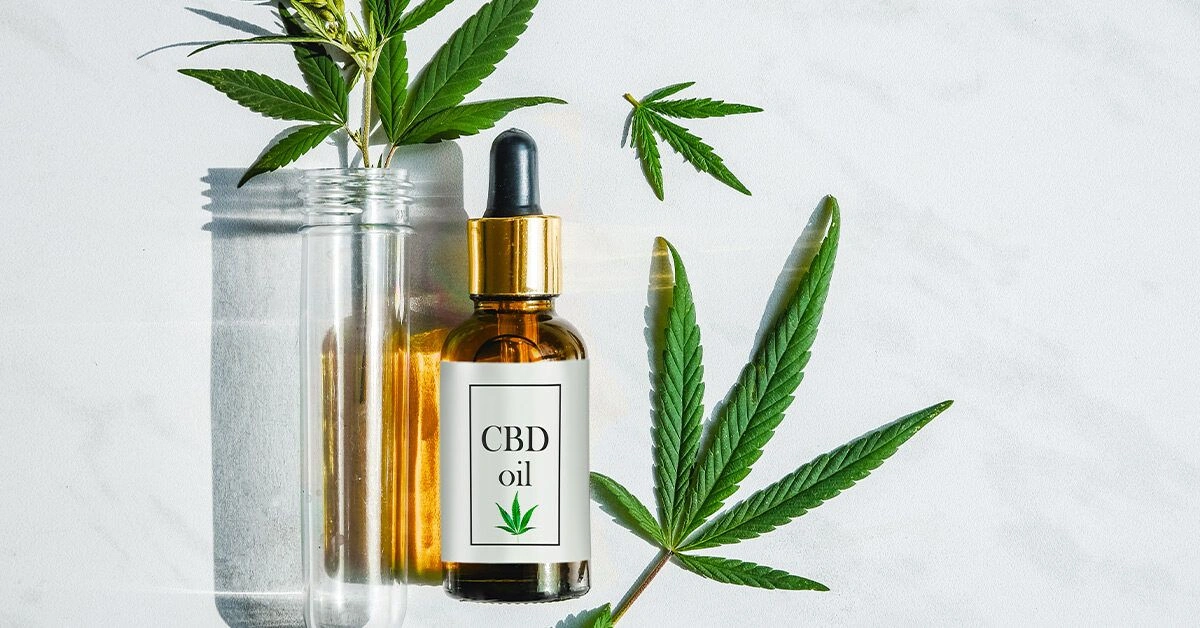

Like many good products, cannabidiol (CBD) oil doesn’t last forever. Its typical shelf life is usually between 1 and 2 years.
Below is a closer examination of the factors that influence CBD oil’s lifespan and practical steps you can take to keep your bottle fresher for longer.
The exact shelf life depends on several elements
How long CBD oil remains usable is determined by a few variables — from product quality and ingredients to how it’s stored. Knowing these elements will help you pick items that stay effective longer and get more value from each bottle.
Key considerations include:
- Quality. Unsurprisingly, higher-grade products usually endure longer. That’s tied to cultivation conditions and plant quality, along with the caliber of any added components. Speaking of which…
- Ingredients. The components in CBD oil matter because every additive, including flavorings, has its own shelf life that can influence the whole product. Simpler formulas often last longer, so check the product label and the certificate of analysis (COA).
- Extraction process. Carbon dioxide extraction is widely regarded as the best method. It optimizes CBD — and other cannabinoids in full- or broad-spectrum oils — retrieved from the plant and helps preserve compound stability.
- Packaging. Those amber bottles serve a purpose. CBD oil keeps better in dark, airtight glass containers. Proper packaging shields the oil from air and sunlight exposure.
- Storage. Studies indicate that heat and light speed up CBD breakdown, which makes correct storage essential. The right environment helps the oil retain potency and freshness for longer.
How can you tell if it’s gone bad?
The bottle should display an expiration date to give you an idea of whether it’s still good. However, dates aren’t perfect, labels can be lost, and sometimes you might not bother to read the fine print. In those cases, your senses are useful tools.
Signs that CBD oil may be past its prime include:
- An off smell. More like a skunky odor. Fresh CBD oil should smell earthy and not unpleasant.
- Thick, dark appearance. Don’t confuse this with cloudiness, which can occur if the oil was stored in a cold place or the fridge. Letting it sit at room temperature for a few minutes usually clears mild cloudiness and restores its normal texture and color. Persistent thickness and darkening suggest degradation.
- A rancid taste. Unflavored CBD oil typically tastes “nutty,” “earthy,” or “grassy.” Even if you dislike those notes, the flavor should still be acceptable. Expired oil will taste “off,” similar to other oils that have gone bad.
Will expired oil cause illness?
Using expired CBD oil probably won’t make you ill. More likely, it simply won’t do much.
Over time, cannabinoids break down and lose strength. That means expired CBD oil may provide reduced therapeutic effects compared with a fresh bottle.
Storage tips
CBD oil is sensitive to oxygen, light, and temperature changes, so careful storage is essential for preserving its potency and freshness.
A helpful guideline is to treat CBD oil like other kitchen oils — think olive oil, coconut oil, and similar pantry staples.
That means shielding the oil from excessive light, heat, and air, beginning with the container itself.
Higher-quality CBD oil typically comes in medical-grade, airtight dark glass bottles for good reason. The tinted glass limits light exposure and aids temperature stability. The sealed cap prevents excess oxygen and contaminants from entering, both of which can hasten spoilage.
Along with keeping it in the original container, try these tips to extend your CBD oil’s life:
- Keep CBD oil in its original packaging to avoid unnecessary air exposure.
- Store at room temperature, generally around 60 to 70°F (16 to 21°C).
- Keep the bottle in a dark spot out of direct light, such as a pantry, cupboard, or closet.
- Avoid placing it near sources of heat or cold like windows, radiators, air conditioners, and stoves.
- Use a clean dropper or utensil each time you dispense oil to prevent bacteria or other contamination.
- Always tightly reseal the bottle after use to minimize air exposure.
The bottom line
CBD oil does expire, but a typical shelf life of 1 to 2 years is usually sufficient, even if you don’t use it daily. Selecting a high-quality product and storing it correctly will help preserve freshness and potency.
If you stumble upon an old bottle, a simple inspection and sniff will usually tell you whether it’s still usable or time to toss it. For related information, you may find useful guidance on how long does cbd stay in your system and considerations such as cbd oil for copd.










Leave a Reply
You must be logged in to post a comment.