

Research on nighttime eating is still evolving, but some findings point to a possible association between late-night snacking and weight gain. Even so, choosing a small, nutrient-dense snack before turning in is generally acceptable for many people.
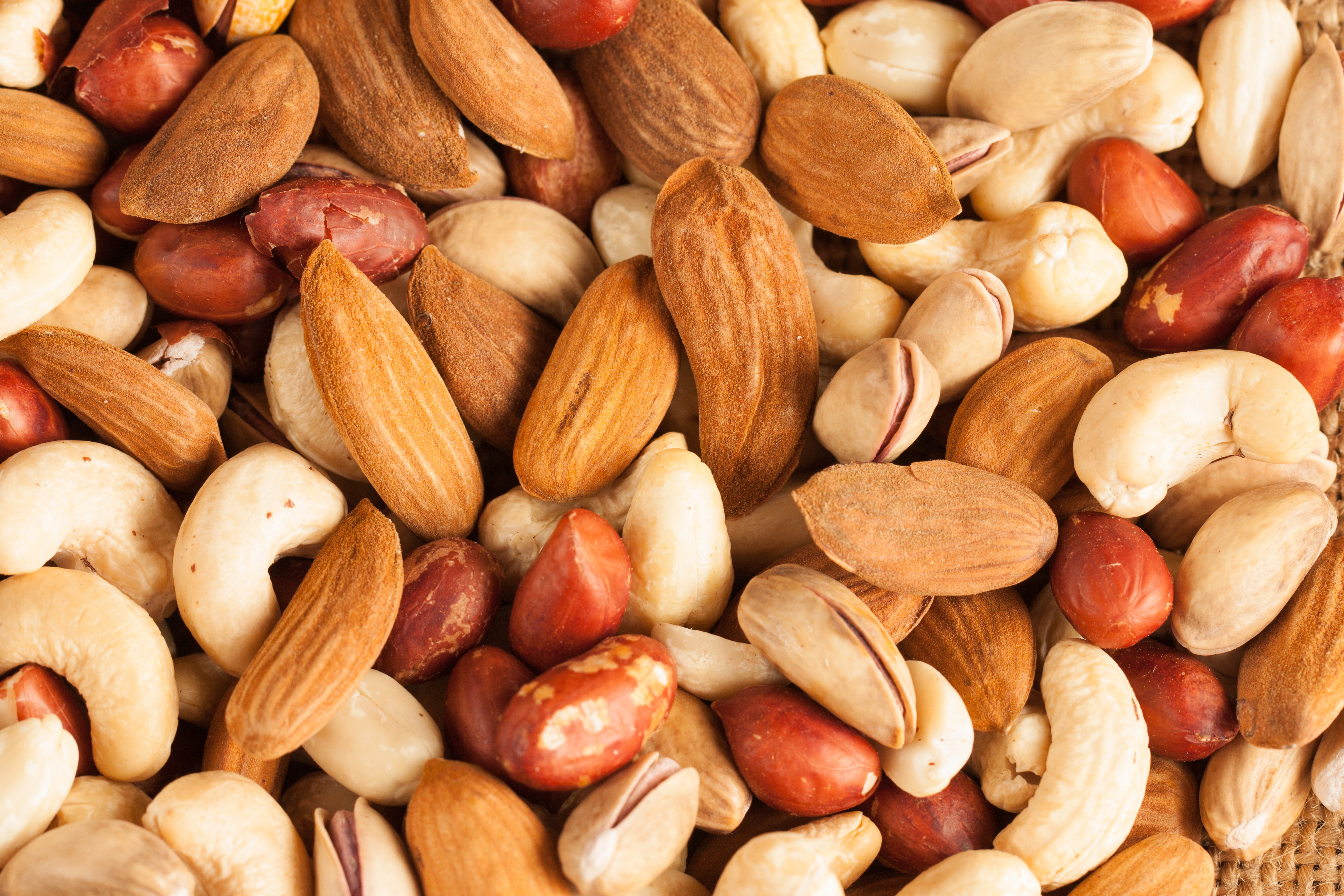
A common belief is that eating late at night automatically leads to extra pounds. This concern often comes up in discussions about Does eating nuts before bed make you gain weight, as nuts are calorie-dense despite being rich in healthy fats, fiber, and protein.
Others argue that a light bedtime snack — including options like almonds or walnuts — may actually complement a balanced weight loss plan when portions are controlled.
So which perspective is correct? In reality, the answer varies from person to person. Individual metabolism, total daily calorie intake, activity level, and medical conditions all play important roles.
Eating before bed is controversial
Whether it’s wise to eat between dinner and bedtime has long been debated in the nutrition world.
Traditional advice suggests that late-night eating promotes weight gain because metabolism slows during sleep. The theory is that calories consumed at night are more likely to be stored as fat.
However, some healthcare professionals maintain that eating before bed is not inherently harmful and may even support improved sleep or appetite regulation in certain cases.
It’s understandable that many people feel confused about the best approach.
Part of the uncertainty stems from research that appears to support both viewpoints.
Although it’s often assumed that metabolism significantly declines during sleep, your nighttime basal metabolic rate remains relatively close to daytime levels. Your body continues to require energy for essential processes while you rest (1).
There is also limited scientific evidence indicating that calories consumed before bed have a different physiological impact compared to calories eaten earlier in the day (2).
Still, several studies have observed an association between eating before bed and weight gain (3, 4, 5).
So what explains this connection? The answer may not be as straightforward as metabolism alone.
Summary Eating before bed remains a debated topic. While there’s no clear physiological proof that nighttime eating directly causes weight gain, some research has identified a possible link.
It may lead to unhealthy habits
Current data do not show a definitive metabolic reason why eating before bed should automatically cause weight gain. Nevertheless, multiple studies suggest that individuals who eat late at night are more likely to gain weight (3, 4, 5).
The explanation is often behavioral rather than biological. A bedtime snack can act as an additional meal, increasing overall daily calorie consumption.
Evening hours are also when many people feel their appetite peak.
Research indicates that stress may elevate ghrelin — the hunger hormone — at night, which can intensify cravings and make it easier to exceed daily calorie needs (6, 7, 8).
Late-night snacking often occurs alongside screen time, such as watching television or using a laptop, which can distract from mindful eating and encourage overeating.
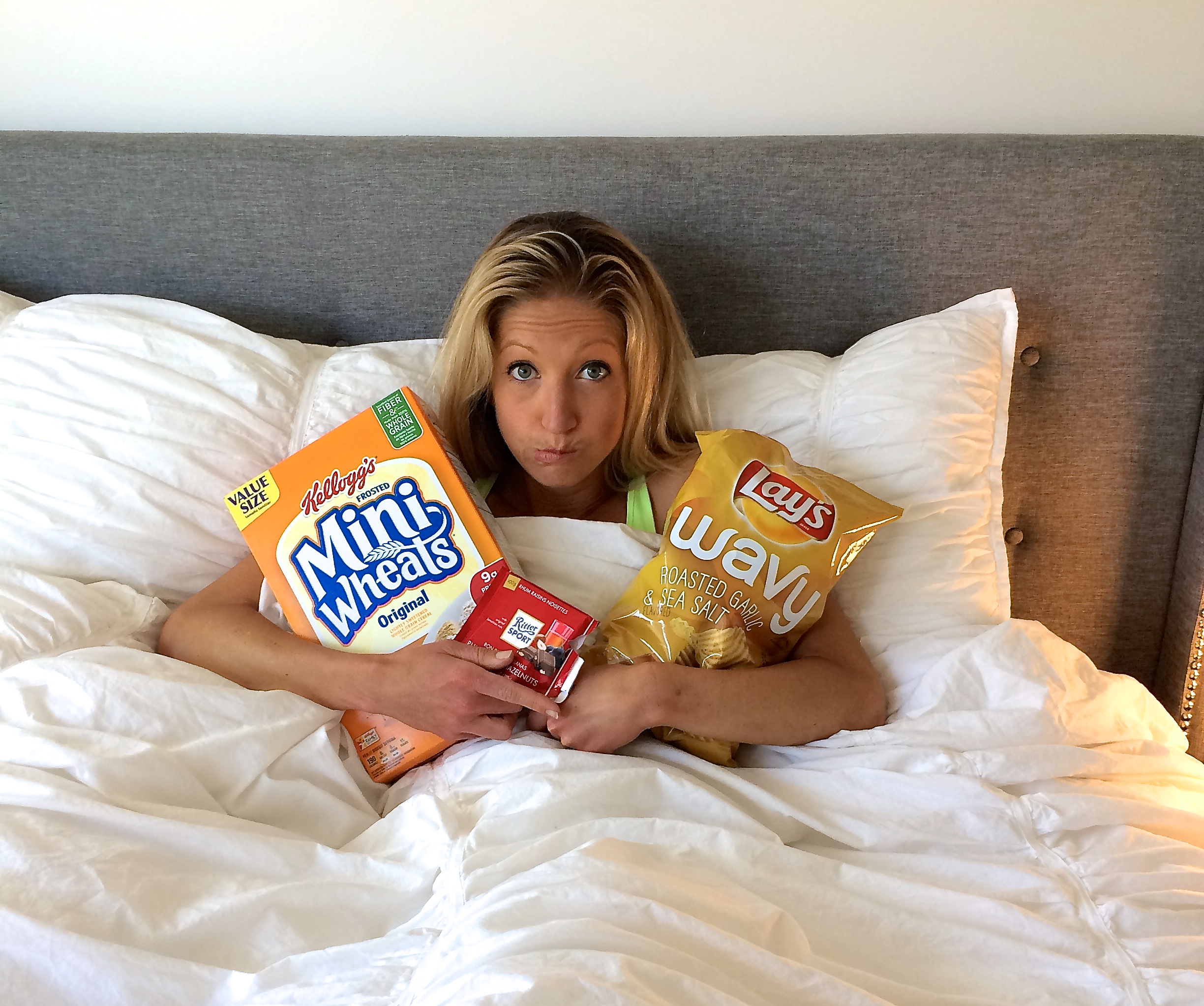
In some cases, people become extremely hungry before bed because they did not consume adequate, balanced meals earlier in the day.
This intense hunger can trigger a repeating pattern: overeating at night, reduced appetite in the morning, then excessive hunger again by evening (9).
Such cycles highlight the importance of distributing calories evenly and prioritizing balanced meals that include protein, fiber, and healthy fats throughout the day.
In short, weight gain linked to nighttime eating is typically due to higher total calorie intake — not because your body suddenly switches to fat-storage mode after dark. This context is essential when evaluating questions like Does eating nuts before bed make you gain weight, since portion size and daily intake matter more than timing alone.
Summary Late-night eating may contribute to weight gain primarily because it increases overall calorie intake, especially when combined with mindless or stress-related snacking habits.
It’s not good if you have acid reflux
Gastroesophageal reflux disease (GERD) is a common condition affecting 18.1 to 27.8 percent of people in the United States. It occurs when gastric contents, including stomach acid, flow back into the esophagus (10).
Common symptoms include:
- heartburn
- difficulty swallowing
- a lump in the throat
- dental erosions
- chronic cough
- laryngitis
If you experience these symptoms, eating close to bedtime may worsen discomfort because lying down makes regurgitation easier (10).
For individuals with reflux, it’s generally recommended to avoid food for at least 3 hours before going to bed (11).
You may also benefit from limiting caffeine, alcohol, tea, chocolate, and spicy foods, as these can aggravate symptoms.
Summary People with acid reflux should avoid eating within 3 hours of bedtime and limit trigger foods to reduce symptom flare-ups.
Potential benefits
Although late-night eating may not be ideal for everyone, it can offer advantages in certain situations. For some individuals, a structured snack may reduce unplanned nighttime grazing and even support weight management.
Emerging evidence suggests that, rather than promoting weight gain, a small, planned bedtime snack may help some people better control overall intake.
For example, if you tend to consume a large portion of your calories after dinner, scheduling a balanced snack — instead of repeatedly grazing — may help regulate appetite and prevent overeating (12, 13).
In one 4-week study involving adults who frequently snacked at night, participants who ate one bowl of cereal and milk 90 minutes after dinner consumed an average of 397 fewer calories per day (13).

On average, they lost 1.85 pounds (0.84 kilograms) over the course of the study (13).
These findings suggest that a modest, well-balanced snack may promote satiety and potentially contribute to gradual weight loss when it replaces higher-calorie grazing behaviors. This perspective is relevant when exploring Eating nuts before bed weight loss strategies, particularly if nuts are consumed in controlled portions.
Better sleep
Adequate sleep is essential for metabolic health. Sleep deprivation has been associated with overeating and weight gain (5, 14, 15).
There is no strong evidence showing that a small, balanced snack before bed directly causes weight gain. The key factor remains total daily calorie intake.
If a light snack helps you fall asleep more easily or stay asleep through the night, it may support overall health by improving sleep quality.
Stabilized morning blood sugar
During the early morning hours, the liver releases additional glucose (blood sugar) to provide energy for waking and daily activities.
In individuals without diabetes, this typically causes minimal changes in blood sugar levels. However, some people with diabetes are unable to produce sufficient insulin to manage this rise in glucose.
As a result, they may wake up with elevated blood sugar despite not eating overnight. This is known as the Dawn Phenomenon (16, 17).
Others may experience nocturnal hypoglycemia, or low blood sugar during the night, which can disrupt sleep (18).
If you notice either of these patterns, consult your healthcare provider to discuss possible medication adjustments.
Some studies indicate that a small bedtime snack may help reduce overnight blood sugar fluctuations by supplying a steady source of energy (18, 19, 20).
Because research findings are mixed, personalized medical advice is essential.
Summary A planned bedtime snack may reduce late-night overeating, support sleep quality, and help stabilize blood sugar in certain individuals.
What should you eat before bed?
For most healthy individuals, having a small snack before bed is perfectly reasonable.
There is no universal formula for the ideal bedtime snack, but a few guiding principles can help.
Eating before sleep is not inherently harmful, yet choosing high-sugar desserts or ultra-processed snacks like ice cream, pie, or chips can easily push you beyond your calorie goals.
These foods, often rich in unhealthy fats and added sugars, may increase cravings and promote overeating.
So, Does eating nuts before bed make you gain weight? Not necessarily. While nuts are calorie-dense, they also provide fiber, protein, and heart-healthy fats that promote fullness. Portion control is critical — a small handful is typically sufficient.
If you enjoy sweet flavors, consider berries or a few squares of dark chocolate (unless caffeine affects your sleep). If you prefer savory options, a modest serving of nuts can be a satisfying choice. You may also want to learn more about Are nuts hard to digest at night if you have digestive concerns.
Ultimately, eating a snack before bed does not automatically cause weight gain. What matters most is your total daily energy balance, food quality, and consistency of healthy habits.
The bottom line A bedtime snack can fit into a healthy lifestyle for most people. Focus on minimally processed, nutrient-dense foods, control portion sizes, and stay mindful of your overall calorie intake.




















Leave a Reply
You must be logged in to post a comment.