
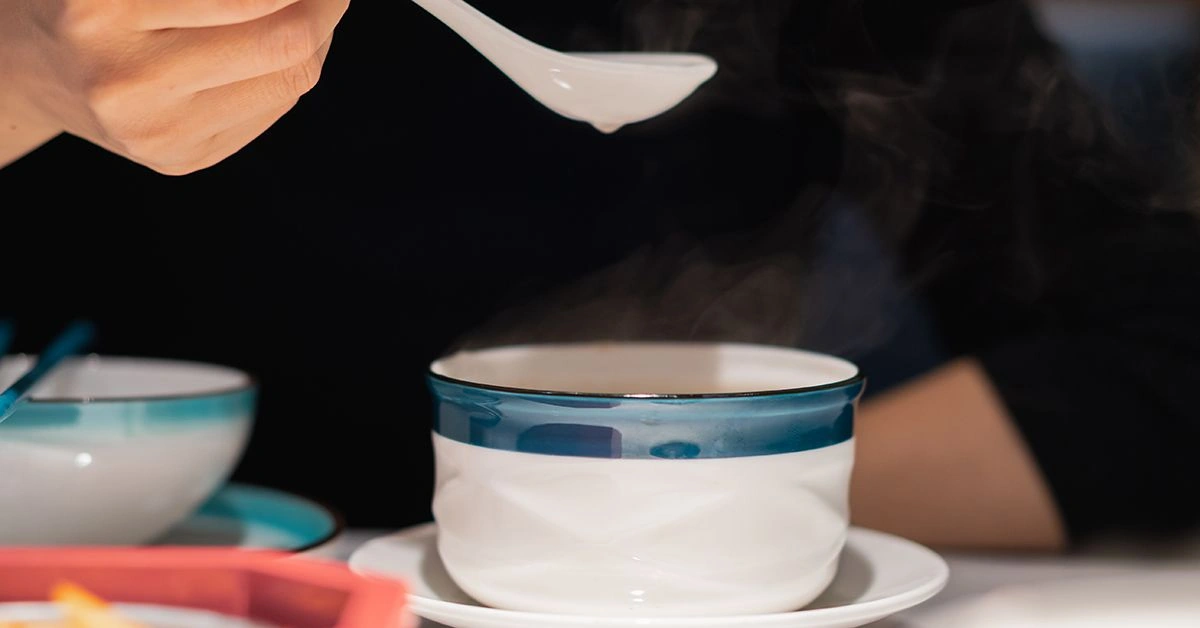
In the first several hours after a colonoscopy, your doctor may advise you to limit food intake or avoid solid foods altogether. A soft or low-residue liquid diet is often recommended during this initial recovery window.
A colonoscopy is a screening procedure designed to identify potential issues within the colon, including polyps, inflammatory bowel disease (IBD), and colorectal cancer.
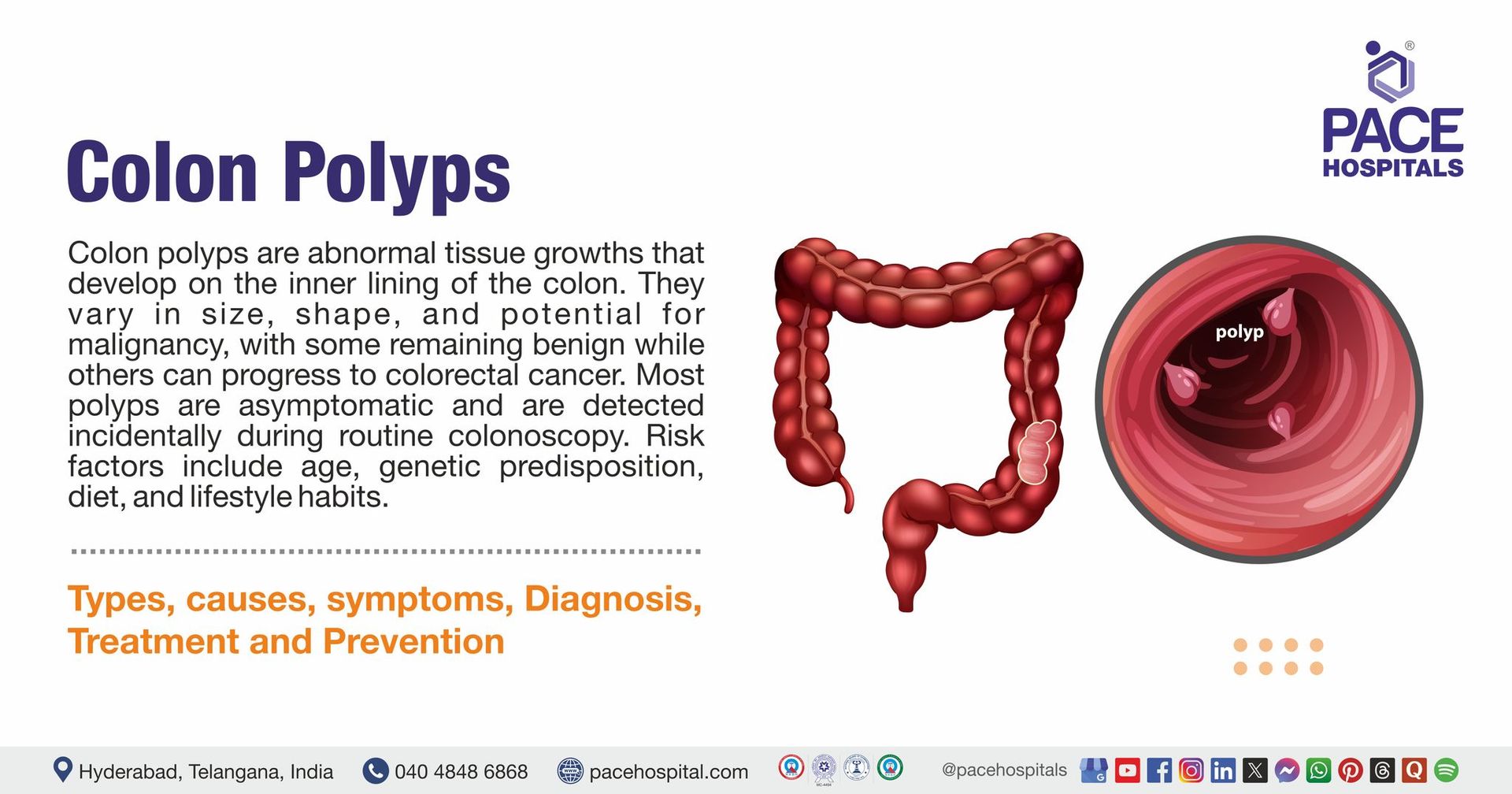
Research estimates that 34% of individuals report symptoms such as bloating, cramping, and altered bowel habits for up to 2 days following a colonoscopy.
Because of these temporary digestive symptoms, it may feel difficult to eat or drink after the procedure. At the same time, the bowel preparation process can leave you dehydrated.
For this reason, understanding What to eat after colonoscopy with polyp removal is essential. Beginning with clear liquids and gradually adding soft, easy-to-digest foods can help restore fluids, electrolytes, and nutrients without irritating the colon.
In most cases, these dietary precautions are only necessary for about 24 hours. However, recovery experiences vary from person to person, especially if a polypectomy was performed.
Continue reading to learn more about what to eat after colonoscopy and how to support optimal digestive healing.
What is the best meal after a colonoscopy?
There is limited direct research identifying the single best foods and beverages to consume after a colonoscopy, as most guidance focuses on preparation rather than recovery.
Still, healthcare organizations such as the Veterans Health Library and the Richmond University Medical Center commonly recommend choosing options that are gentle on the digestive tract.
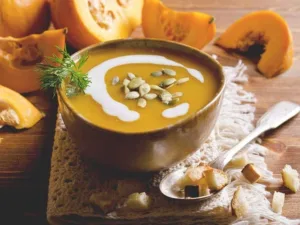
During the first few hours post-procedure, it’s wise to start with clear liquids to reduce the risk of dehydration. Appropriate choices may include water, electrolyte drinks, and broth-based soups.
If you tolerate these without discomfort, you can transition to a soft, low residue diet.
This approach typically includes small amounts of dairy and low fiber foods. Such a diet may help ease gastrointestinal activity, since these foods are easier to digest and generate less stool—an important consideration after colonoscopy with polyp removal.
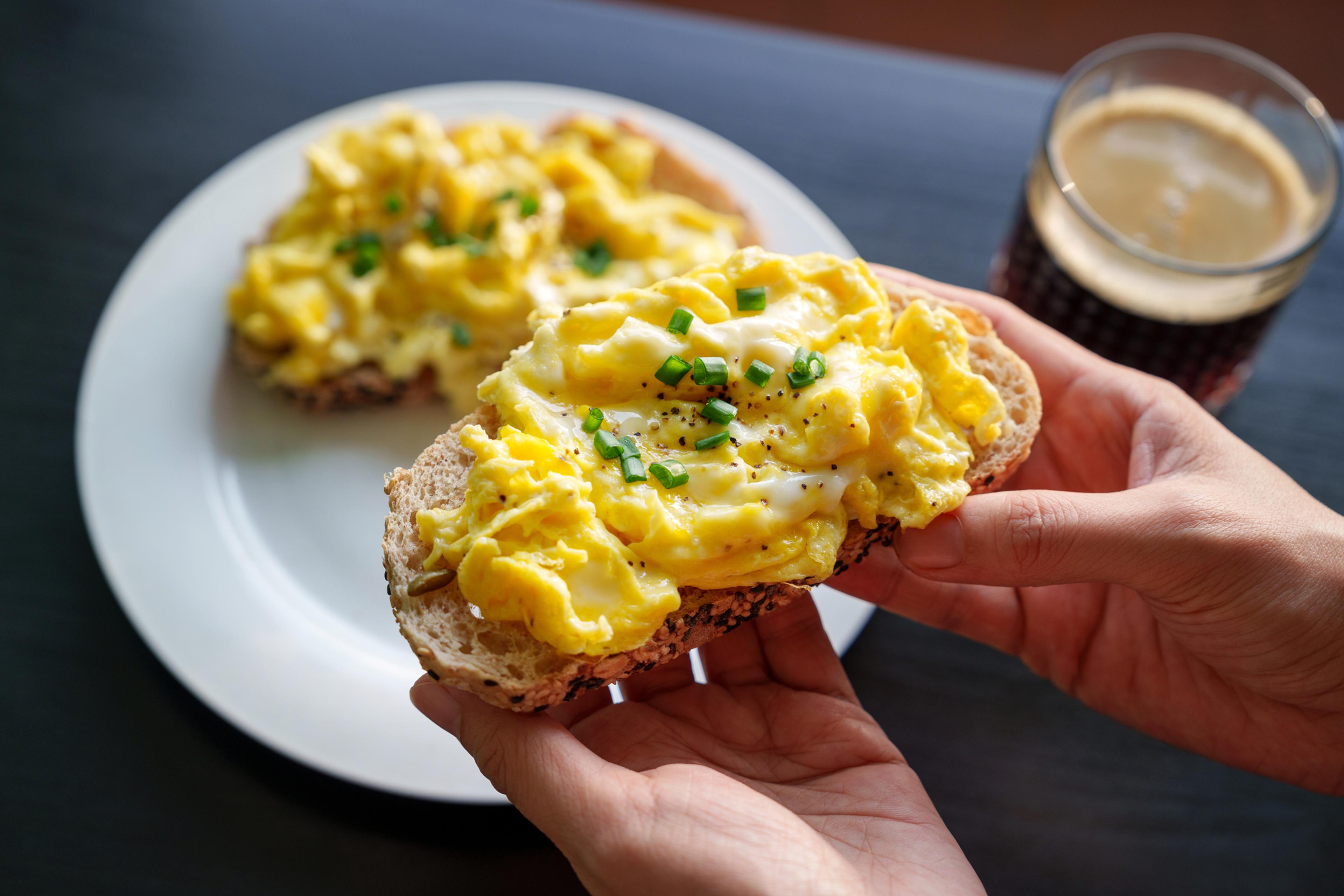
Examples of simple meals after a colonoscopy may include:
- mashed potatoes and a skinless chicken breast
- white toast and scrambled eggs
- white rice and a piece of white fish
If you’re unsure about specific foods, you might also find it helpful to read about Can I eat a burger after a colonoscopy to better understand when heavier meals may be appropriate.
Other foods you can eat after a colonoscopy
Additional foods and beverages you may consider the day following your colonoscopy may include:
- fruit juice
- vegetable juice
- herbal tea
- saltine crackers
- graham crackers
- soup
- applesauce
- tender, cooked vegetables
- canned fruit, such as peaches
- yogurt
- Jello
- popsicles
- pudding
- smooth nut butter
These foods are generally soft, low in fiber, and less likely to trigger abdominal discomfort. After a polypectomy, your doctor may give you more personalized dietary advice depending on the size and number of polyps removed.
What not to eat after a colonoscopy
A colonoscopy itself usually lasts about 30 to 45 minutes, but your digestive system may require additional time to fully recover. This is due both to the procedure and the bowel cleansing preparation performed beforehand.
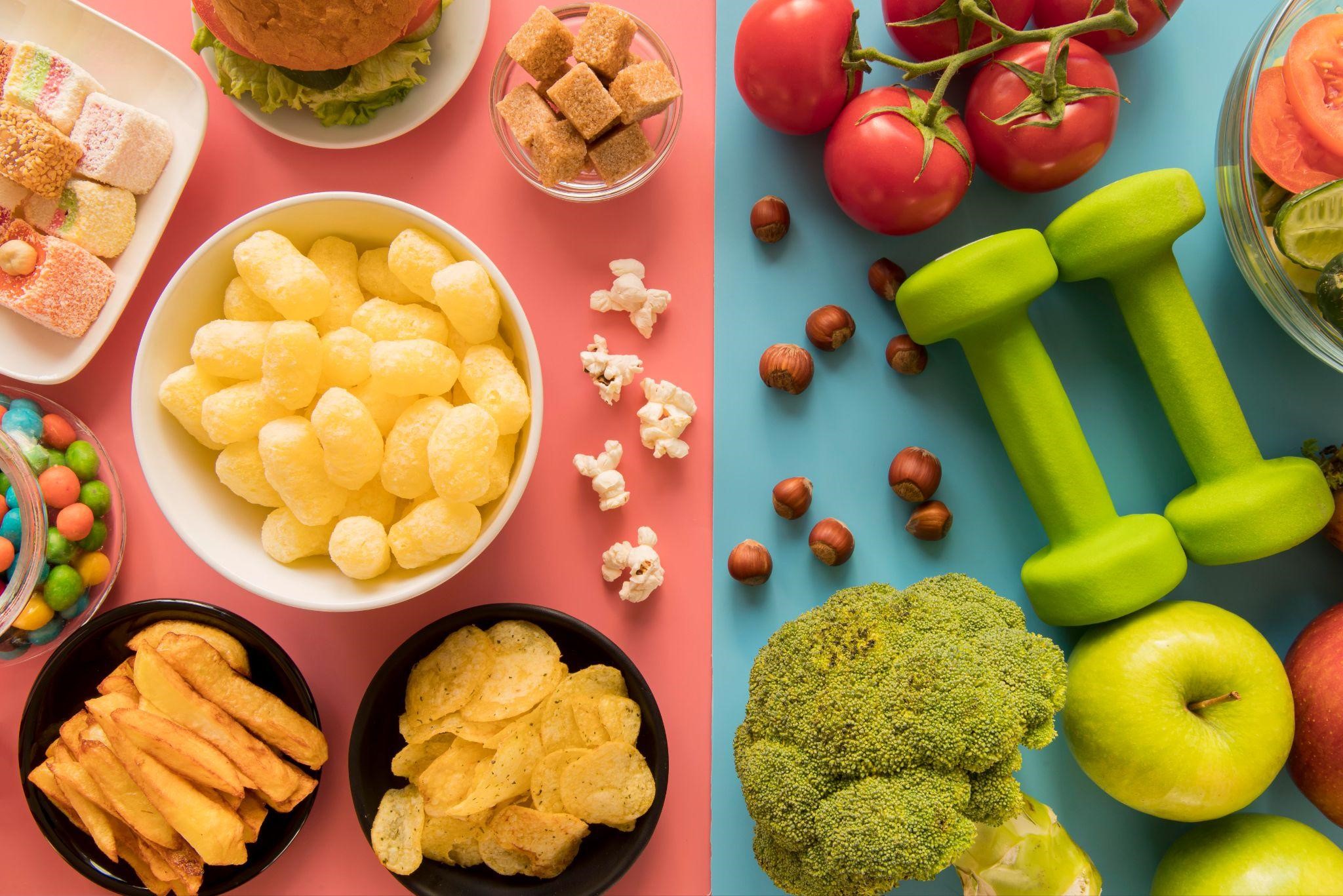
To promote healing, it’s advisable to avoid foods that are difficult to digest for at least a day. This includes items that may irritate the intestinal lining, such as spicy, greasy, or fried foods, as well as high-fiber options.
According to the Richmond University Medical Center, air is introduced into the colon during the procedure to keep it expanded. As a result, you may pass more gas than usual afterward.
If bloating or excess gas is bothersome, consider avoiding carbonated beverages, which can increase gas production.
Foods and drinks to avoid the day after your colonoscopy may include:
- carbonated drinks, such as soda, alcohol, and sparkling water
- steak, or any tough, hard-to-digest meat
- whole grains, such as breads and crackers
- raw vegetables
- corn
- legumes
- brown rice
- fruit with the skin on
- dried fruit, such as raisins
- coconut
- spices, such as garlic, curry, and red pepper
- highly seasoned foods
- crunchy nut butter
- popcorn
- fried food
- nuts
If a polyp was removed during your colonoscopy (polypectomy), your physician may provide additional dietary restrictions to minimize irritation and reduce the risk of bleeding.
Best practices for taking care of your colon
Your colon, also called the large intestine or bowels, plays a crucial role in digestion and overall health.
The U.S. Preventive Services Task Force advises that most individuals begin colorectal cancer screening at age 45 and repeat it at least every 10 years, depending on risk factors.
Caring for your colon goes beyond routine screenings. According to the Centers for Disease Control and Prevention (CDC), the following habits may lower your risk of colon cancer:
- getting regular exercise
- maintaining a healthy-for-you weight
- quitting smoking, if you smoke
- limiting alcohol, if you drink
The CDC also recommends following a balanced eating pattern, which may include:
- eating whole grains, lean proteins, fruits and vegetables, and low fat dairy products
- limiting animal fats
For those focused on long-term digestive wellness, including maintaining a healthy weight after the procedure, you may find guidance in How to keep weight off after a colonoscopy.
The National Cancer Institute reports that 10% to 30% of people diagnosed with colon cancer have a family history of the disease, indicating a genetic component.
While genetics and age cannot be changed, dietary improvements and healthy lifestyle choices may help reduce modifiable risk factors and support overall colon health.
Learn more about how to prevent colon cancer.
Frequently asked questions
Are you hungry right after a colonoscopy?
You might feel hungry after a colonoscopy since you likely avoided food for at least 24 hours. However, symptoms such as bloating, gas, or abdominal discomfort may temporarily reduce your appetite.
How long after a colonoscopy can you eat normally?
You can begin eating soon after a colonoscopy, but it’s generally recommended to introduce foods gradually, starting with liquids and soft options before returning to your regular diet.
What should I eat to restore my gut after a colonoscopy?
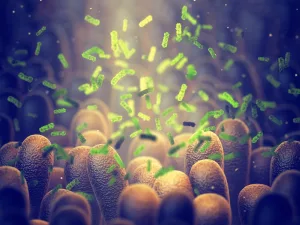
More than 3 in 10 people experience abdominal discomfort following a colonoscopy, which may be linked to temporary changes in the gut microbiome. Some studies indicate that probiotics may help support restoration of the gut microbiome after the procedure.
What is the fastest way to recover from a colonoscopy?
Most individuals recover rapidly from a colonoscopy. Still, it’s important to follow your doctor’s recommendations carefully. These may include avoiding strenuous activity and taking a day off work before resuming normal routines. Contact your doctor promptly if you notice any unusual symptoms.
The bottom line
A colonoscopy can help detect abnormalities in your colon, including polyps and cancer. Because the bowel preparation process can be dehydrating, replenishing fluids afterward is essential.
Equally important is knowing What to eat after colonoscopy with polyp removal. Your healthcare provider may suggest a temporary restricted diet made up of soft, low residue foods that are easy to digest.
By carefully following medical guidance and gradually reintroducing regular foods, most people can recover comfortably and return to their normal diet within about a day.











Leave a Reply
You must be logged in to post a comment.