
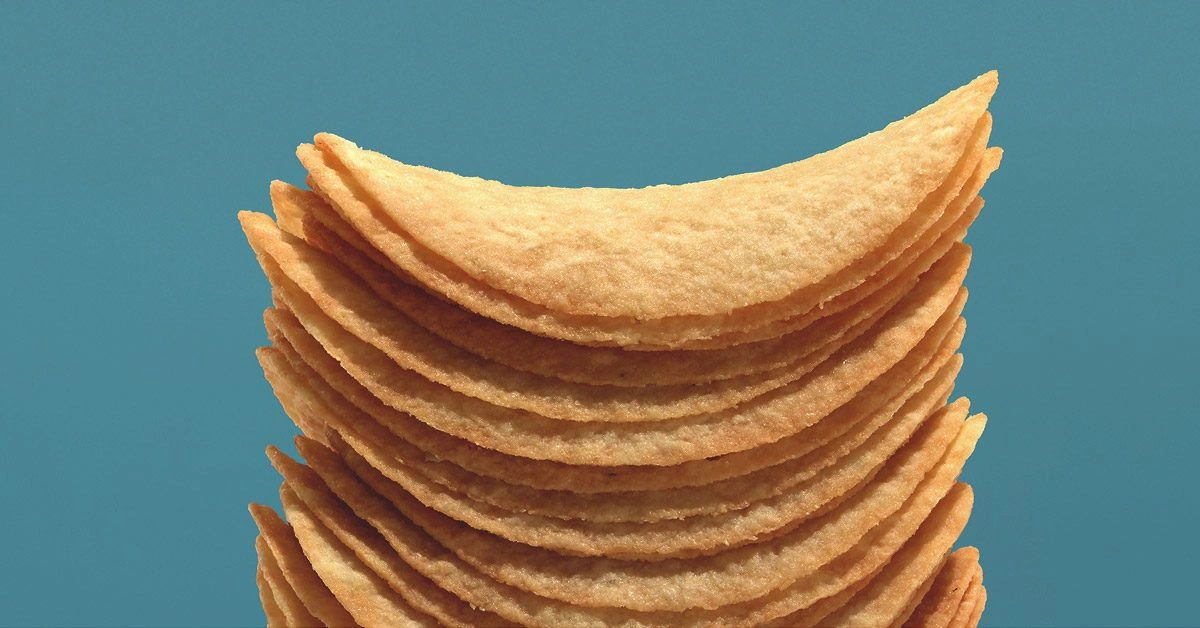
A processed food is any item that has been modified from its natural state. Discover how to identify ultra processed foods, understand the distinctions, and explore smarter food swaps you can make.

Walk into any supermarket and you’ll notice entire aisles devoted to packaged and processed products — areas many people instinctively try to avoid. You’ve probably heard countless times that cutting back on these foods supports better health, so the reasons may already be familiar.
Recently, though, a newer phrase has gained attention in nutrition conversations: ultra-processed foods. Headlines increasingly link this category to significant health concerns, prompting many shoppers to look more closely at what ends up in their carts.
This growing awareness has led more people to ask an important question: How to identify ultra processed foods and how are they different from standard processed options?
So, what’s the difference between ‘regular’ processed foods and ‘ultra’-processed foods? And what does that mean for your health?
Technically speaking, a processed food is simply something that has been altered from its original form. The International Food Information Council describes processing as “any deliberate change in a food that occurs before it is ready for us to eat.”
Methods such as heating, pasteurizing, canning, and drying all fall under the umbrella of processing. Some interpretations even count refrigeration as a processing method.
Unless you’re picking fruit straight from a tree or drinking milk directly from a cow, most of what we consume has undergone some degree of processing.
Importantly, simple preparation and preservation techniques don’t automatically transform nutritious choices — like whole grains or frozen vegetables — into unhealthy fare. The presence of processing alone does not make a food harmful.
This is where learning how to identify ultra processed foods becomes valuable. Current research suggests that ultra-processed foods, in particular, are associated with increased risk of obesity and cancer. Understanding the difference can help you make more informed dietary decisions.
However, defining ultra-processed foods isn’t always straightforward. Unlike basic processed foods, there isn’t one universally agreed-upon description.
The concept was first introduced by Brazilian nutrition researcher Carlos A. Monteiro in a 2009 paper. In 2010, Monteiro and colleagues expanded on this idea by developing a classification system known as NOVA.
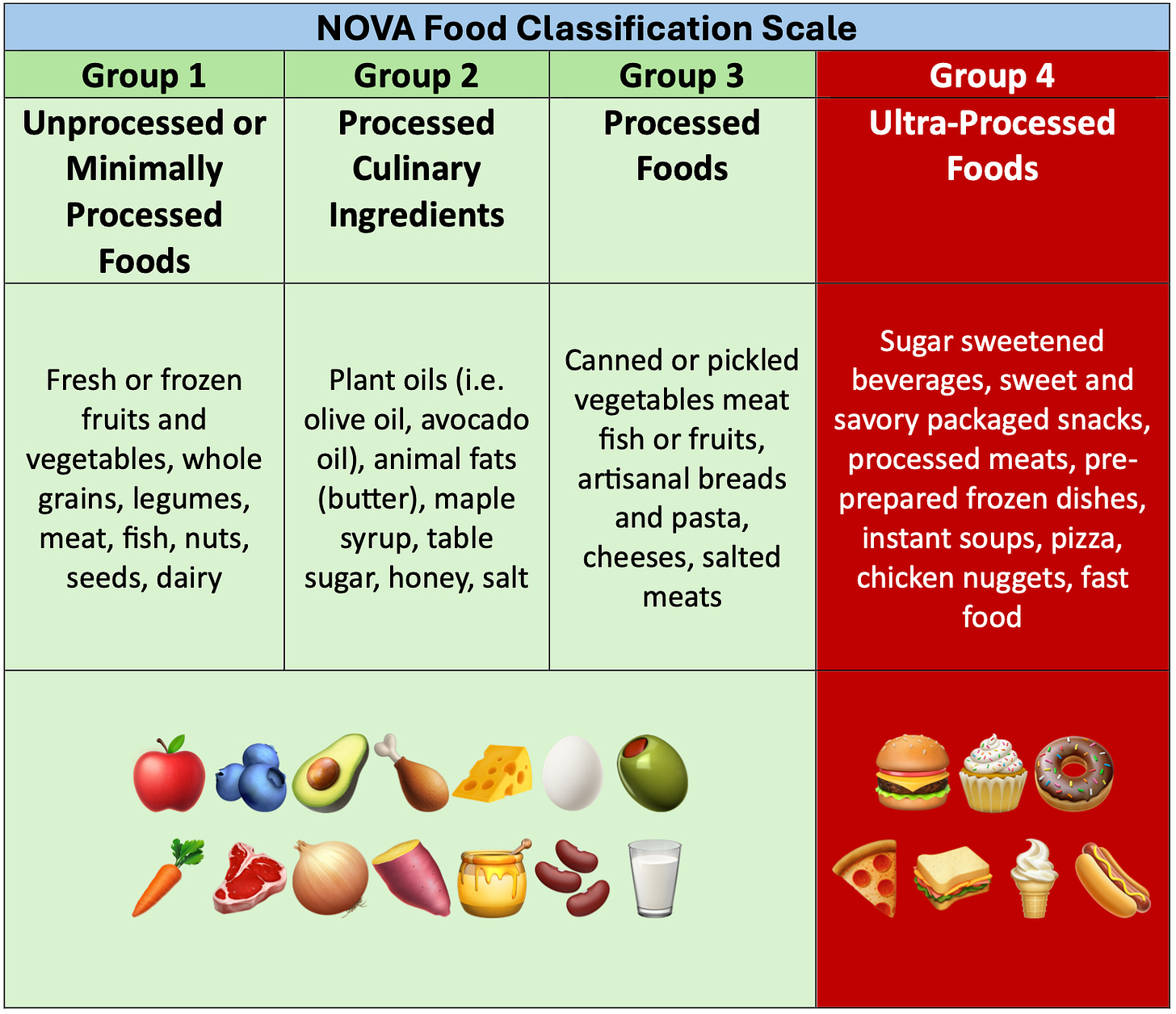
At one end of the NOVA system are unprocessed or minimally processed foods — fresh fruits, vegetables, eggs, and similar staples often featured in dietary patterns like the Whole30 diet or Mediterranean diet.
At the opposite end are ultra-processed foods, defined as “industrial formulations with five or more ingredients.”
Subsequent research has used slightly different criteria, so there is still no single standard definition.
“I wish I could say there’s full agreement on what counts as processed versus ultra-processed,” says registered dietitian nutritionist Carrie Gabriel of Steps 2 Nutrition. “But I’ve seen ongoing debate about where the line is drawn.”
In other words, pinpointing exactly what qualifies as ultra-processed remains a work in progress.
Despite this problem of semantics, some common features shape the concept of ultra-processed foods
Most interpretations agree that the shift from a typical processed food to an ultra-processed one occurs during advanced, or tertiary, processing — the final stage of industrial food production.
Typical food processing happens in different stages. Understanding these stages can empower you to determine how heavily a product has been modified and decide what aligns with your personal nutrition standards.
Primary processing includes basic steps such as removing inedible portions, cleaning grains, and parboiling.
Secondary processing may involve baking, freezing, fermenting, or frying.
Tertiary processing, however, often transforms raw ingredients into ready-to-eat, shelf-stable products.
When considering how to identify ultra processed foods, think of items that appear far removed from their original ingredients — brightly packaged snacks, fast-food meals, and convenience-store treats that bear little resemblance to whole foods.
Many experts agree that an extensive ingredient list is a major red flag. A 2016 study assessing their prevalence in the American diet described ultra-processed foods as formulations that, “besides salt, sugar, oils, and fats, include substances not used in culinary preparations.”

The researchers also included products containing additives designed to mimic the sensory qualities of whole foods.
Gabriel notes, “I often think of it as the addition of sugar, salt, oils, and fats to enhance flavor and extend shelf life.”
These added components — including sweeteners, emulsifiers, artificial flavors, and preservatives — may improve taste and texture but can contribute to excess intake of sugar, sodium, and unhealthy fats. Diets high in these elements are associated with a range of chronic health conditions.
If you’re unsure where to begin, reviewing a comprehensive List of ultra processed foods to avoid can provide practical examples and make grocery shopping easier.
Limiting processed foods is already something we know
Recognizing how foods evolve into ultra-processed products can make it easier to reduce how often they appear on your plate. Reading nutrition labels carefully — and paying attention to ingredient length and unfamiliar additives — is a practical strategy.
Preparing meals at home is another powerful step. Restaurant dishes, particularly from fast-food establishments, are frequently engineered for flavor and convenience, which may involve heavily processed ingredients.
Of course, choosing minimally processed or whole foods isn’t always simple. Cost, access, and time constraints can all influence food choices.
Even so, small, manageable adjustments can reduce your intake of ultra-processed items. Gradual changes tend to be more sustainable than drastic overhauls.
| Ultra-processed | Processed | Home version |
| sweetened breakfast cereals | plain bran cereal | oat groats or steel-cut oats sweetened with honey |
| soda | artificially flavored sparkling water | water with a splash of fruit juice or fruit slices |
| flavored potato chips | plain tortilla chips | DIY pita chips |
| white bread | whole wheat bread with minimal ingredients | homemade wheat bread |
| fried chicken | deli rotisserie chicken | roast chicken from scratch |
| flavored candy bar with long ingredient list | simple candy bar with short ingredient list | dark chocolate squares |
| frozen, blended coffee drink | store-bought cold brew | drip coffee |
| mashed potato flakes | frozen potatoes | fresh, whole potatoes |
| energy drink | sweetened fruit juice | fresh-squeezed orange juice |
| flavored granola bars with added sugar and preservatives | granola bars with minimal additives | DIY granola |
| artificially flavored cheese crackers | naturally flavored crackers | apple and cheese slices |
Years of diet messaging have encouraged us to label foods as strictly “good” or “bad,” but nutrition is rarely that black and white. Simply categorizing foods hasn’t necessarily shifted long-term habits.
Food represents more than nutrients — it’s culture, enjoyment, and connection. As you shop, remember that not every processed product is inherently unhealthy. Prioritize fruits and vegetables in any form — fresh, frozen, or canned — and look for ingredient lists composed mostly of recognizable foods.
Be mindful of items high in added sugar and sodium. The American Heart Association advises that men limit added sugar to about 9 teaspoons (36 grams) per day and women to no more than 6 teaspoons (25 grams) per day.
When it comes to ultra-processed foods, moderation often matters more than perfection. If you understand how to identify ultra processed foods, you can make thoughtful decisions without feeling restricted. Pause, check in with yourself, and consider whether a particular item supports your health goals before placing it in your cart.
Written by Daniel Harper, MS, RD.





















Leave a Reply
You must be logged in to post a comment.