


Feeling anxious about getting a cavity filled is very common. One of the most frequent concerns patients share is not just the procedure itself, but How long does dental injection site pain last afterward.
While dental fillings can occasionally cause discomfort, most are completed with minimal to no pain thanks to modern anesthetics and techniques. If you’ve been postponing a dental visit because you’re worried about injection soreness or procedure-related pain, understanding what truly happens — and what sensations are normal — can ease your mind.
Below, we’ll explain what influences discomfort during a filling, how long injection site tenderness may persist, and what you can realistically expect before, during, and after treatment.
What determines how much a filling will hurt?
If your dentist identifies a cavity, they’ll usually advise treating it promptly. Early intervention not only prevents worsening decay but also reduces the likelihood of infection and more complex procedures.
Dental fillings are performed to eliminate decayed material and restore the tooth’s structure. When decay progresses untreated, it can reach the pulp, leading to significant pain and potentially requiring root canals or extractions.
During a filling, the dentist removes damaged tissue and reshapes the tooth to its natural contour. This restores both function and comfort while protecting oral health.
How uncomfortable the procedure feels depends on several variables, including cavity size, depth, and location, as well as your individual pain threshold.
Size and depth of the cavity
Tooth decay develops gradually. It often begins as white spots caused by mineral loss in the enamel. At this stage, fluoride treatment and improved oral hygiene may halt progression.
If enamel deterioration continues, a cavity may form that requires a filling. Small, shallow cavities detected early are typically the fastest and easiest to treat. In these cases, discomfort is usually minimal.
Before administering an injection, your dentist generally applies a topical numbing gel to the gums. It’s important to understand that this gel numbs the surface tissue — not the tooth itself — so you may still feel a brief pinch from the needle.
For some people, the injection is the most stressful part of the visit. Others find the lingering numbness in the tongue or cheek more bothersome than the procedure itself.
If discomfort arises during drilling, your dentist can pause and administer local anesthetic to ensure you remain comfortable.
Deeper cavities require more extensive decay removal and take longer to restore. They are also closer to nerve endings within the tooth, which can increase sensitivity during treatment. In these situations, injected anesthetic is commonly recommended to prevent pain.
Location of the cavity
Cavities are generally categorized into three types:
- smooth surface cavities (on the sides of teeth)
- pit and fissure cavities (on molar chewing surfaces)
- root cavities (near the tooth root)
Root cavities can sometimes be treated easily when detected early. However, the root is covered by cementum, which is softer than enamel and more vulnerable to rapid decay.
Receding gums — often associated with periodontal (gum) disease — expose root surfaces, increasing the risk of root cavities. Because roots lack the protective strength of enamel, they may become sensitive more quickly.
Number of cavities
If multiple cavities are present in the same area, your dentist might suggest addressing them in a single visit.
Longer appointments can contribute to jaw soreness from keeping your mouth open and may require additional anesthesia. Extended procedures can also increase the chance of mild post-injection tenderness.
For patients concerned about prolonged soreness or Dental injection pain after a week, it’s helpful to know that most injection site discomfort resolves within a few days. Persistent pain beyond that timeframe should be evaluated.
How long does a filling take?
Small fillings typically take between 20 and 30 minutes. Larger or multiple restorations may require more time.
Here’s what usually happens during the procedure:

- Your dentist dries the area and applies a topical numbing gel.
- After the gum tissue becomes numb, a local anesthetic such as lidocaine is injected. You may feel a quick sting or pressure as the anesthetic takes effect.
- A dental drill removes the decayed portion of the tooth. Many patients report that the sound — rather than pain — is the most uncomfortable aspect. Listening to music or a podcast can help ease anxiety.
- Once decay is cleared, the cavity is sterilized and filled. If the cavity is close to the pulp, a liner may be placed to shield the nerve.
- The dentist checks your bite and polishes the restored tooth.
After the anesthetic wears off, mild soreness at the injection site can occur. When asking, “How long does dental injection site pain last?” most dentists will explain that tenderness generally subsides within 24 to 72 hours.
What are the types of fillings?
The material used for your filling may influence how long the procedure takes, though it usually doesn’t significantly affect pain levels.
- Composite resin. A widely used, tooth-colored material made from acrylic resin and polished glass. It is applied in layers and hardened using ultraviolet light. While aesthetically pleasing, it may take longer to place and may not always be ideal for very deep cavities.
- Amalgam. A durable, silvery-gray material composed of mercury, silver, copper, and tin. It is cost-effective and long-lasting. Although concerns about mercury toxicity exist, the American Dental Association maintains that amalgam fillings are safe. Some studies continue to examine long-term mercury exposure.
- Gold. Highly durable but more expensive and noticeable. Gold fillings require multiple visits because they are fabricated outside the mouth and later bonded into place.
- Glass ionomer. Often used for children’s teeth or temporary restorations. It releases fluoride, which can help prevent additional decay.
Your dentist can help you weigh durability, aesthetics, cost, and safety considerations when selecting a filling material.
What types of numbing are available?
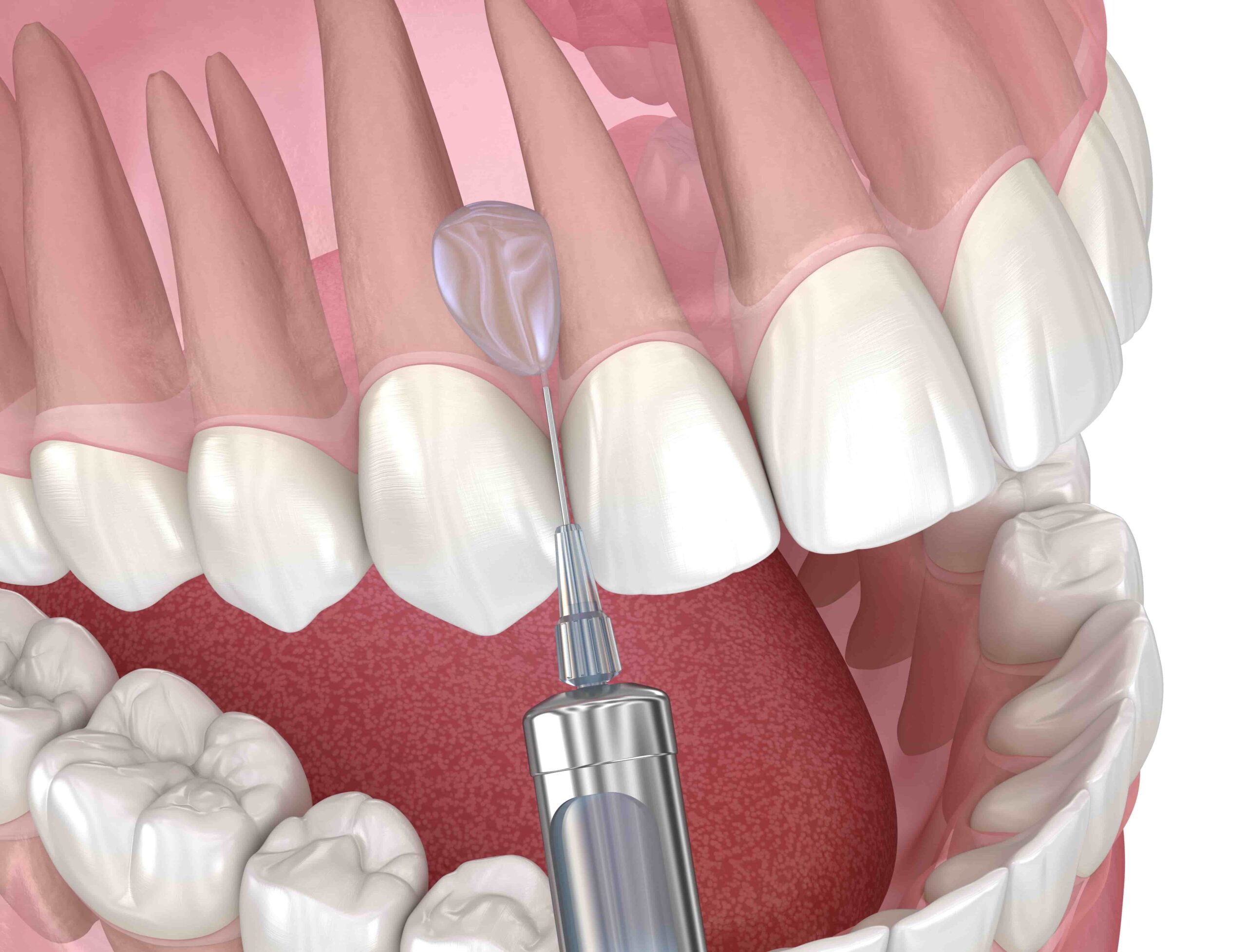
Numbing agents are intended to prevent or significantly reduce discomfort.
Commonly used anesthetics include:
- Lidocaine. Frequently used both as a topical gel and injectable anesthetic.
- Benzocaine. A topical numbing gel approved for adults and children over age 2.
- Epinephrine. Sometimes included in injections to prolong the anesthetic effect and improve efficacy.
Inform your dentist if you have any allergies to anesthetic agents.
Patients with dental anxiety may benefit from nitrous oxide (laughing gas), which is administered through a nasal mask. It helps reduce fear and tension and may also lessen the perception of discomfort.
Occasionally, individuals experience Novocaine injection site pain days later. Although uncommon, this can occur due to minor tissue irritation or localized inflammation. If soreness persists beyond several days, consult your dentist for evaluation.
Does it hurt after a filling?
It’s normal for the treated tooth to feel sensitive for a day or two following the procedure. You might notice heightened sensitivity to hot, cold, or sweet foods.
The injection site itself may feel mildly tender as the anesthetic wears off. In most cases, this discomfort resolves within 48 to 72 hours.
Contact your dentist promptly if you experience:
- Severe or worsening pain
- Swelling
- Pus or discharge
- Persistent numbness
These symptoms could indicate infection or the need for further treatment, such as a root canal.
What are the warning signs of a cavity?
Early detection minimizes the likelihood of pain and invasive procedures. Signs of a cavity include:
- white spots on teeth
- dark discoloration
- unexplained sensitivity or pain when biting
- pain when consuming hot, cold, or sweet foods and drinks
- visible pits or holes in a tooth
Cavities often progress slowly and may not cause symptoms at first. Routine dental checkups are essential for catching decay early.
How can I prevent cavities?
Preventing cavities is the most effective way to avoid fillings — and concerns about how long dental injection site pain lasts.
- Brush and floss at least twice daily.
- Use fluoride toothpaste to strengthen enamel.
- Limit sugary foods and beverages.
- Avoid sugary sodas and candies.
- Schedule regular dental checkups and cleanings.
Good oral hygiene and early intervention significantly reduce the risk of extensive decay and complex treatments.
The takeaway
Having a cavity filled can feel intimidating, but modern dentistry makes the experience far more comfortable than many people expect.
For those wondering, “How long does dental injection site pain last?” the answer is reassuring: mild tenderness typically resolves within a few days. Small, superficial cavities often require less time and anesthesia, while deeper cavities may take longer and involve more numbing.
If you have concerns about discomfort, anesthetic options, or prolonged soreness, speak openly with your dentist. Clear communication and early treatment can make the process smoother, safer, and far less stressful.




















Leave a Reply
You must be logged in to post a comment.