
When people ask, How many liters is 4 bottles of water, the answer depends on the size of each bottle. For example, if each bottle contains 500 mL, then four bottles equal 2 liters. If each bottle is 1 liter, then four bottles equal 4 liters. Understanding this simple conversion can help you track your daily hydration and determine whether you’re meeting recommended fluid intake guidelines.
Experts recommend that males consume 15.5 cups (3.7 liters) of water daily and females 11.5 cups (2.7 liters). However, environmental conditions such as heat and humidity, as well as certain health conditions, can significantly influence your personal water requirements.
Your body is made up of approximately 60% water.
Throughout the day, your body continuously loses water, primarily through urine and sweat, but also through essential processes like breathing. To avoid dehydration and support normal body function, it’s important to replace lost fluids through beverages and water-rich foods every day.
There are differing opinions among experts about the ideal amount of water you should drink daily.
In the past, health professionals commonly advised drinking eight 8-ounce glasses per day — roughly 2 liters, or half a gallon. This guideline is known as the 8×8 rule and is easy to remember.
More recently, some specialists suggest sipping water consistently throughout the day, even if you don’t feel thirsty.
As with many health recommendations, hydration needs vary from person to person. Numerous internal and external factors ultimately determine how much water is right for you.
This article reviews scientific findings on daily water intake, clarifies common misconceptions, and explains practical ways to stay properly hydrated based on your individual needs — including understanding measurements like How many liters is 4 bottles of water in relation to your goals.
How much water do you need?

Your daily water requirement depends on multiple variables and differs for each individual. For adults, the general guidance from The U.S. National Academies of Sciences, Engineering, and Medicine suggests:
- 11.5 cups (2.7 liters) per day for women
- 15.5 cups (3.7 liters) per day for men
These totals include fluids from plain water, beverages such as tea and juice, and moisture obtained from food. On average, about 20 percent of your daily water intake comes from the foods you eat (1, 2).
You may require more or less water than someone else. Hydration needs are influenced by (2, 3):
- Your location: Living in hot, humid, or dry climates increases fluid requirements. Higher altitudes can also raise your need for water (4).
- Your diet: Frequent intake of coffee or other caffeinated drinks may increase urination. Diets high in salty, spicy, or sugary foods may also elevate water needs. Conversely, eating hydrating foods like fruits and vegetables contributes to fluid balance.
- Temperature and season: Warm weather typically raises fluid needs due to perspiration.
- Your environment: Extended time outdoors in the sun, in heated indoor spaces, or in hot conditions can intensify thirst.
- Physical activity: If you exercise, walk extensively, or stand for long periods, you will likely need more fluids than someone who is sedentary.
- Your health: Conditions such as infection, fever, vomiting, diarrhea, or diabetes can increase fluid loss. Certain medications, including diuretics, also promote water loss.
- Pregnancy or breastfeeding: Those who are pregnant or nursing require additional fluids to support both mother and baby.
SummaryHydration needs vary depending on factors such as environment, activity level, and overall health.
Does water intake affect energy levels and brain function?
Many individuals report that inadequate hydration negatively affects energy levels and mental clarity.
An older study in females found that a fluid loss of 1.36 percent after exercise worsened mood and concentration while increasing headache frequency (5).
A more recent study in China involving 12 male university students observed that avoiding water for 36 hours led to noticeable declines in fatigue, attention, reaction time, and short-term memory (6).
Even mild dehydration may impair physical performance. Research on older, healthy men demonstrated that a 1 percent loss of body water reduced muscle strength, power, and endurance (7).
While a 1 percent reduction in body weight may seem minor, it represents a meaningful fluid deficit — often occurring in hot environments or during intense exercise without adequate hydration.
SummaryMild dehydration from heat exposure or exercise can impair both physical and cognitive performance.
Does drinking a lot of water help you lose weight?
Some claims suggest that increasing water intake promotes weight loss by boosting metabolism and suppressing appetite.
Research indicates that higher-than-usual water consumption correlates with reductions in body weight and improved body composition scores (8).
Another review found that chronic dehydration was associated with obesity, diabetes, cancer, and cardiovascular disease (9).
An older study estimated that consuming 68 ounces (2 liters) daily increased energy expenditure by approximately 23 calories per day due to a thermogenic effect (10). Although modest, this increase could accumulate over time.
Drinking water about 30 minutes before meals may reduce calorie intake, possibly because thirst can be mistaken for hunger (11).
In a 2010 study of middle-aged and older adults, participants who consumed 17 ounces (500 mL) of water before meals lost 44% more weight over 12 weeks compared to those who did not. Similarly, young men who drank 19 ounces (568 mL) before meals consumed less food before feeling full (12, 13).
Overall, adequate hydration — especially before meals — may support appetite regulation and healthy weight management when combined with balanced nutrition and physical activity.
SummaryDrinking water may temporarily increase metabolism and reduce calorie intake before meals, which can support weight management.
Does more water help prevent health problems?
Proper hydration is essential for overall body function. Certain health conditions may also improve with increased fluid intake:
- Constipation: Increasing water intake may relieve constipation (14, 15).
- Urinary tract infections: Greater water consumption may help prevent recurrent urinary tract and bladder infections (16, 17).
- Kidney stones: Higher fluid intake may lower the risk of kidney stones, though further research is needed (18).
- Skin hydration: Some evidence suggests improved skin hydration with increased water intake, though more studies are necessary (19).
SummaryAdequate hydration may support digestive health, urinary health, kidney function, and skin hydration.
Do other fluids count toward your total?
Water is not the only contributor to hydration. Other beverages and water-containing foods also play a role.
It is a common misconception that caffeinated beverages such as coffee or tea do not count due to caffeine’s diuretic effect.
Research shows that the diuretic impact of these drinks is relatively mild, although some individuals may experience increased urination (20).
Even so, caffeinated beverages still contribute to overall fluid intake.
Most foods contain varying amounts of water. Fruits and vegetables, in particular, have high water content.
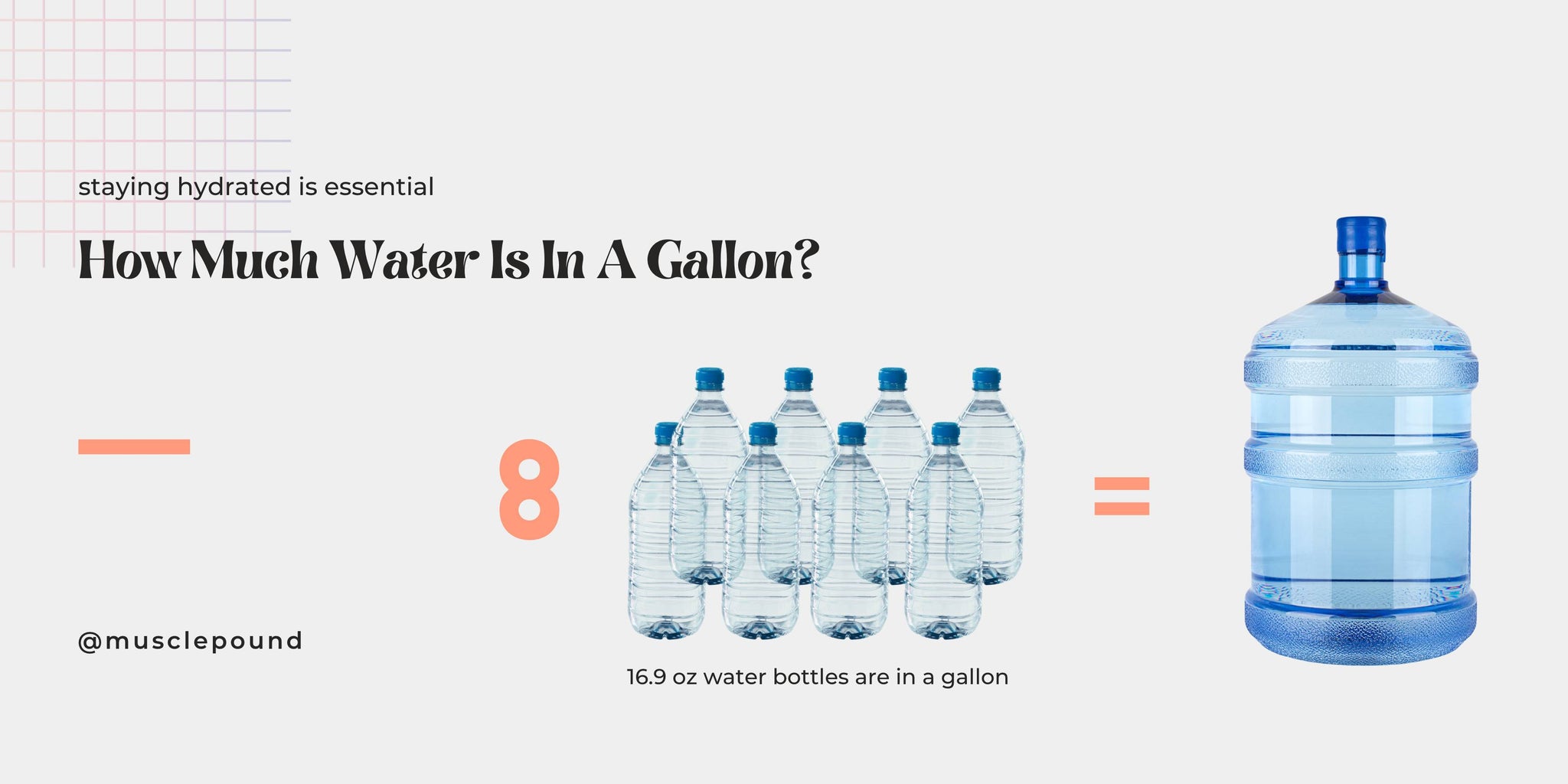
If you are calculating daily intake and wondering How many liters is 4 bottles of water, it may help to review standard bottle measurements in this guide on How much water is in a water bottle in liters and compare that with broader hydration goals like How many water bottles is 2 liters.
SummaryBeverages such as coffee and tea, along with water-rich foods, contribute to daily hydration.
Indicators of hydration
Maintaining proper fluid balance is vital for survival.
Your body has an advanced regulatory system that controls thirst and fluid balance. When total body water drops below a certain threshold, thirst is triggered.
This system operates automatically, similar to breathing.
Although thirst is a useful signal, relying solely on it may not support optimal hydration, especially during exercise or hot weather (21).
When you begin to feel thirsty, you may already notice symptoms such as fatigue or headache.
Monitoring urine color can be a practical strategy. Aim for pale, light-yellow urine (22).
There is no strong scientific evidence supporting the 8×8 rule. Fluid needs vary depending on circumstances (1, 24).
Increased sweating from exercise or hot weather significantly raises fluid requirements. Athletes performing prolonged, intense activities may also need to replenish electrolytes such as sodium in addition to water.
Pregnancy, breastfeeding, fever, vomiting, diarrhea, and certain weight-loss strategies can all increase hydration needs.
Older adults should monitor fluid intake carefully, as thirst perception may decline with age. Research indicates that adults over 65 face a higher risk of dehydration (25).
SummaryMost individuals can rely on natural thirst cues, but certain conditions require closer attention to hydration.
The bottom line
Ultimately, no one can specify exactly how much water you personally need. Requirements depend on lifestyle, environment, and overall health.
Experiment with your intake to determine what feels best. Some individuals thrive on higher fluid intake, while others simply experience more frequent urination.
If you prefer a simple approach, consider these general tips:
- Drink enough so that your urine remains clear or pale yellow.
- Drink when you feel thirsty.
- Increase intake during heat exposure, exercise, illness, pregnancy, or breastfeeding.
- Track your bottles if helpful — for example, calculating How many liters is 4 bottles of water based on bottle size can simplify daily hydration planning.
That’s it.


















Leave a Reply
You must be logged in to post a comment.