
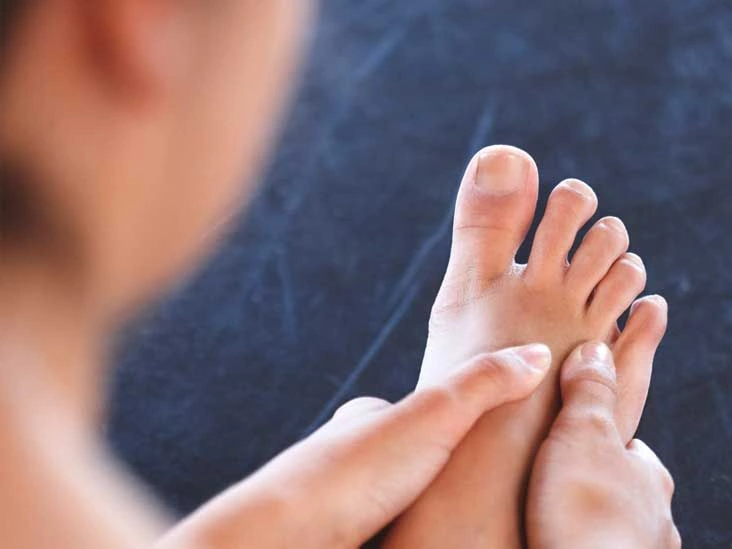
Developing a Blister on pinky toe bottom or elsewhere on the foot is a frequent issue for many people. Thankfully, several at-home care strategies can ease discomfort and help minimize the chances of blisters coming back.
A blister is a small, fluid-filled sac that forms on the surface of the skin. These pockets can differ in size and may appear for a variety of reasons. You might notice one after a skin burn, a fungal or bacterial infection, an insect bite, or physical trauma.
When a blister appears on the foot—especially a Blister on pinky toe bottom—it can disrupt routine activities. Walking, exercising, or standing for extended periods may become uncomfortable, particularly since the pinky toe area often bears pressure from footwear and body weight.

Causes of blisters on the feet
If you experience blisters on your feet, friction is often the primary cause. Spending hours walking or standing each day creates continuous pressure on the heels, soles, and toes. The more time you remain on your feet, the higher your likelihood of developing foot blisters.
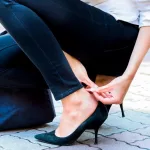
However, not everyone who stands or walks for long durations develops them. In many cases, these fluid-filled bubbles result from shoes that do not fit properly. Footwear that is too tight or excessively loose can rub against the skin, leading to friction. This irritation allows fluid to collect beneath the top layer of skin.
This is particularly common in cases involving a Blister on bottom of pinky toe from walking, where repetitive motion and shoe pressure combine to irritate the skin. Long hikes, new shoes, or high-impact workouts can all contribute to this localized friction injury.
Too much moisture or sweating may also contribute to blister formation. This frequently occurs in warmer weather or among athletes, especially runners. Small blisters may develop when perspiration blocks pores on the feet, softening the skin and making it more vulnerable to friction damage.
Sunburn can also lead to foot blisters. Additional possible causes include:
- frostbite
- allergic reaction
- chemical exposure (cosmetics or detergents)
- fungal infections
- chickenpox
- bacterial infection
- herpes
- dyshidrotic eczema
Diagnosing blisters on the feet
A friction-related foot blister typically improves within a few days when managed with home care.
Unfortunately, some blisters do not improve with self-care or may gradually worsen. Seek medical attention if a blister causes intense pain or makes walking difficult. You should also consult a doctor if fever, nausea, or chills occur alongside a foot blister, as these symptoms may indicate an infection.
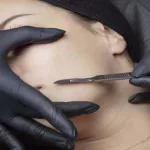
Your doctor may drain the blister using a sterile needle under controlled conditions. If an infection is suspected, they can analyze a fluid sample to identify the underlying cause and determine appropriate treatment.
Home treatments for blisters on feet
It may be tempting to pop or pick at a blister. However, keeping the blister intact is generally best because open skin increases the risk of infection. Protecting your blister with an adhesive bandage can shield it while it heals.
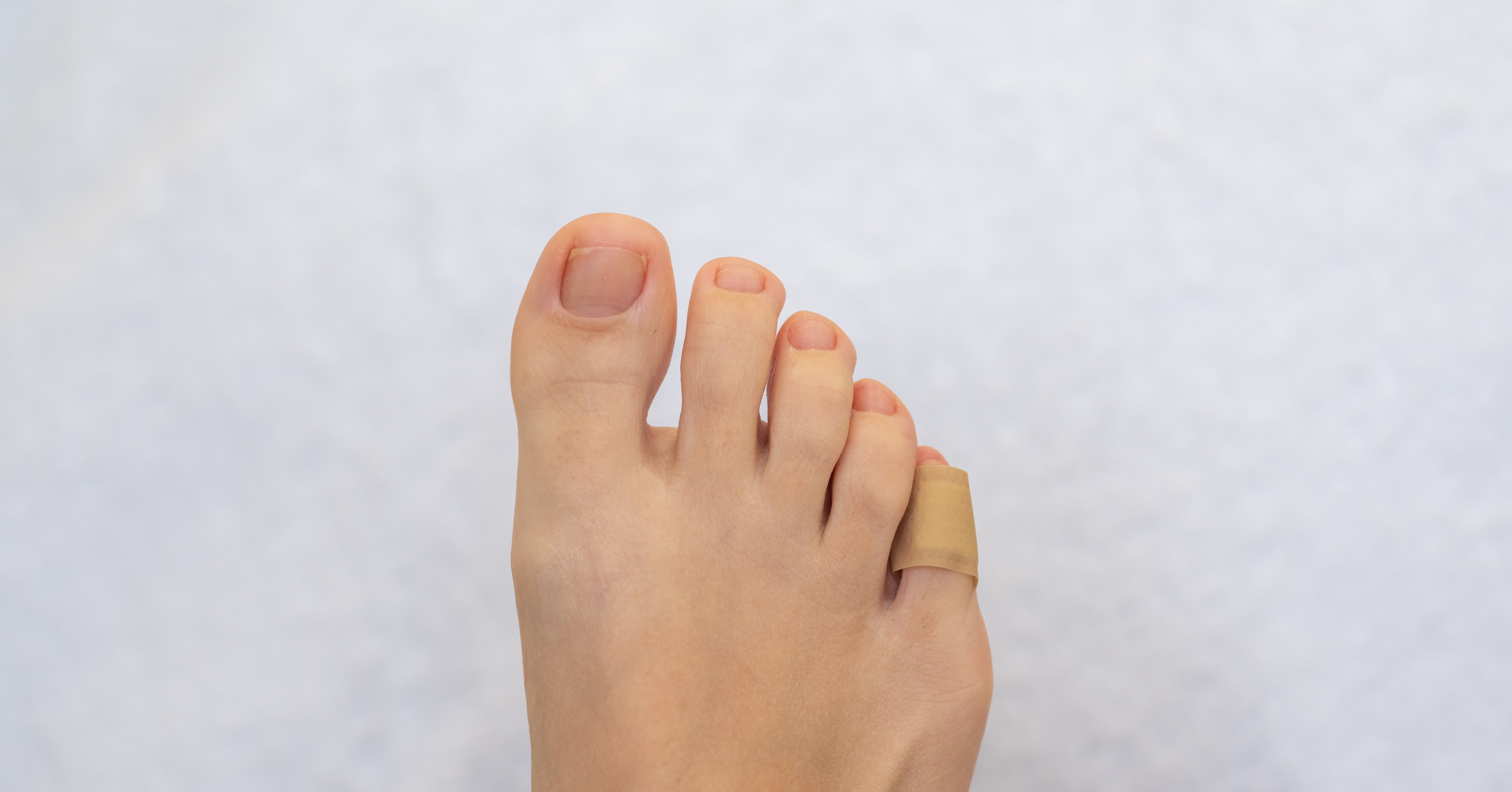
If left undisturbed, a blister may harden and gradually resolve on its own. Until then, discomfort can vary depending on its size and location, especially if it is a Blister on pinky toe bottom that rubs against footwear.
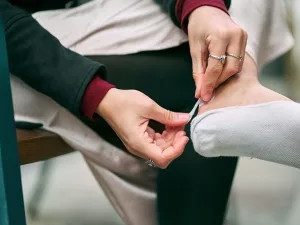
Although you should avoid bursting a blister unnecessarily, carefully draining it in certain cases may ease pressure and pain. For detailed guidance, you can review How to treat pinky toe blisters. If you choose to drain a blister at home, follow these steps:
- Wash your hands thoroughly with warm water and antibacterial soap.
- Use a cotton swab to disinfect a needle with rubbing alcohol.
- Clean the blistered area with antiseptic.
- Gently create a small puncture at the edge of the blister using the sterile needle.
- Allow the fluid to drain completely.
- Apply antibacterial ointment or cream to the area.
- Cover the blister with a bandage or gauze.
- Clean the site and reapply antibacterial ointment daily. Keep it covered until fully healed.
Monitor the area for signs of infection, such as increasing redness, warmth, swelling, pus, or worsening pain. If any of these symptoms develop, seek medical evaluation promptly.
How to prevent a blister on feet
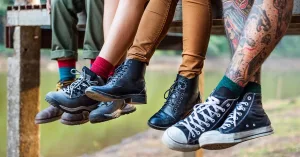
Preventing foot blisters begins with addressing the root cause. If friction is responsible, wearing properly fitted shoes is essential. Shoes should provide adequate support without squeezing or allowing excessive movement. Breaking in new footwear gradually can also reduce irritation.
If your foot consistently rubs against a certain section of your shoe, adding an insole may supply additional cushioning and decrease friction.
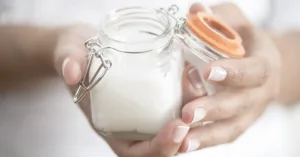
Athletes and individuals who engage in frequent physical activity should focus on keeping their feet dry. Applying foot powder may help reduce perspiration, while moisture-wicking socks designed for athletic use can limit dampness. These socks dry more quickly and help decrease prolonged skin exposure to sweat.
Shop for moisture-wicking socks.
If a cosmetic product such as powder, lotion, or soap triggers blisters, discontinue use to lower the chance of recurrence. When blisters stem from an underlying medical condition, discuss management options with your doctor. Treating the root issue may significantly reduce your risk of developing future blisters, including a recurrent Blister on pinky toe bottom.












Leave a Reply
You must be logged in to post a comment.