
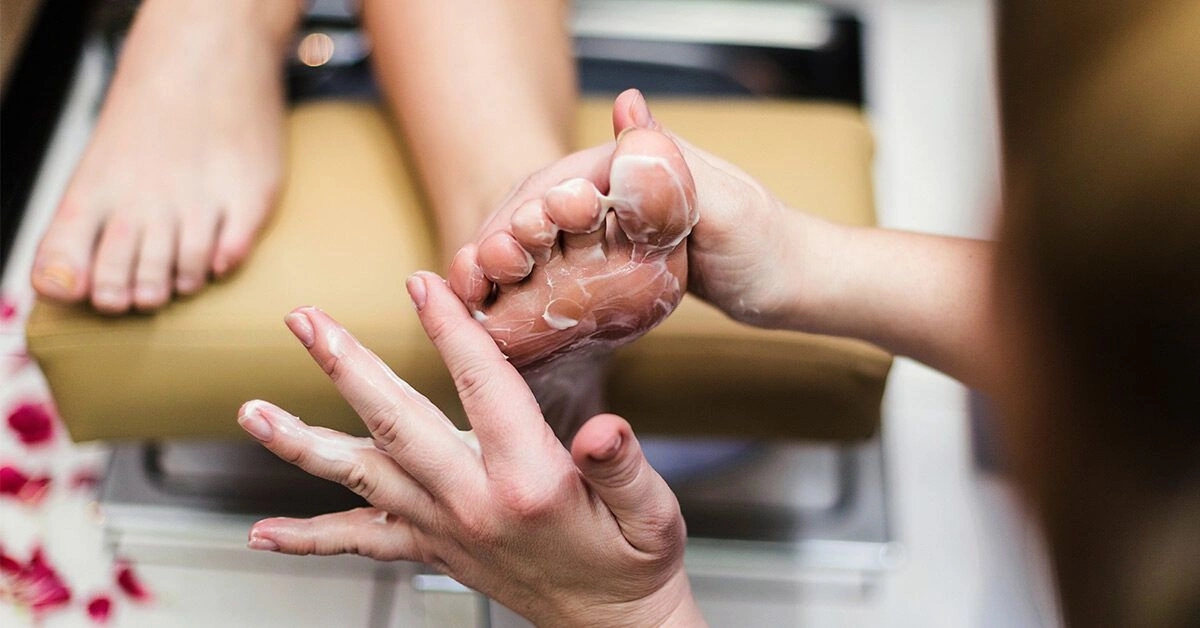
You can attempt to remove pinky toe corns using several at-home methods, such as soaking and gently filing the affected skin. In certain situations, however, medical treatment may be necessary to fully eliminate the corn and prevent it from returning.
Corns are areas of thickened, hardened dead skin that develop after repeated pressure and friction. With ongoing irritation, these spots can become raised, tender, and increasingly uncomfortable. Many people searching for Pictures of hard corns on feet are trying to determine whether the painful bump on their toe matches the typical appearance of a corn.
Corns most commonly form on the toes and feet, particularly if you regularly wear tight or narrow footwear. One of the most frequent locations is along the outer side of the pinky toe, where shoes often rub.
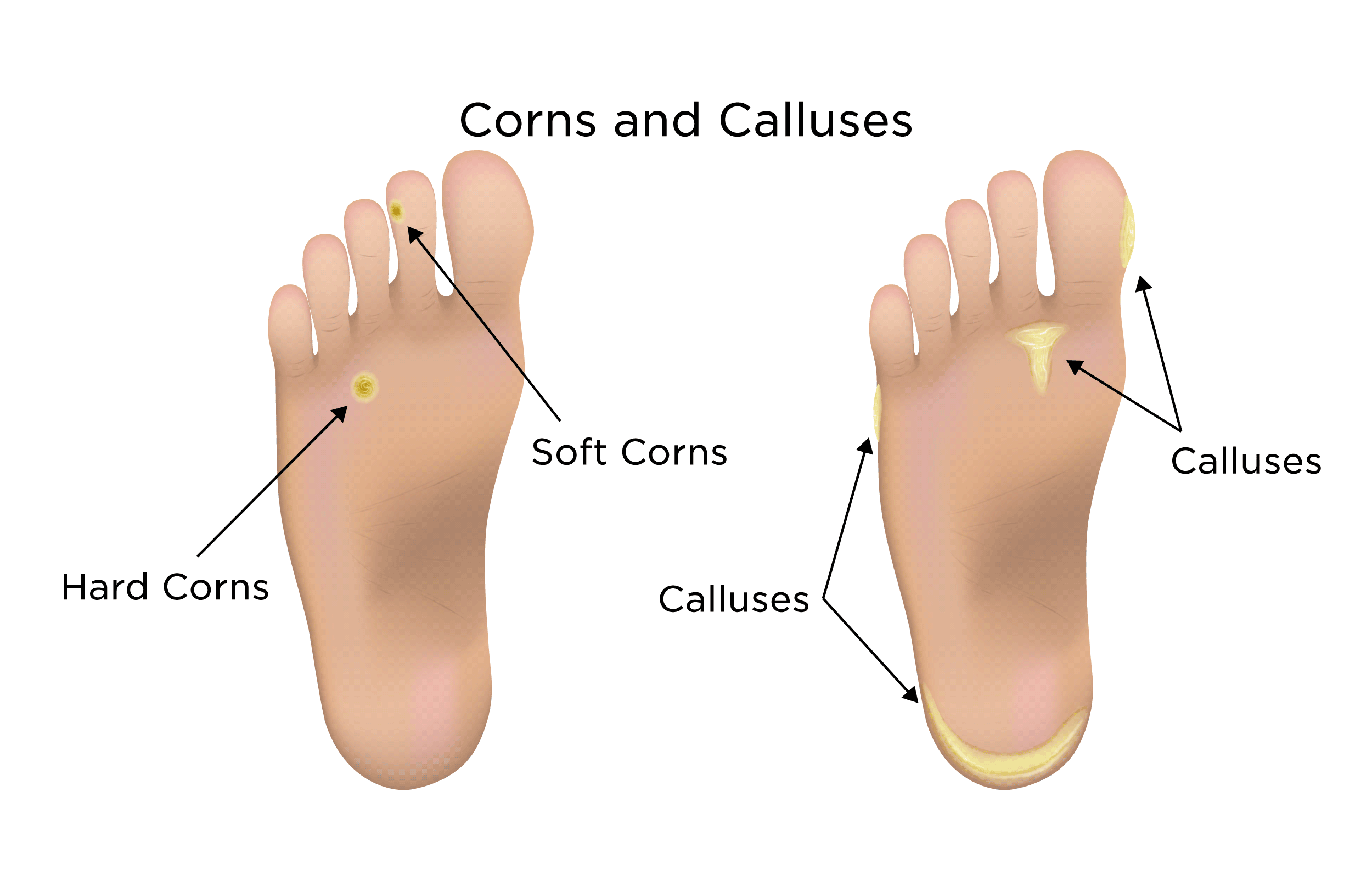
Pinky toe corns can be bothersome and sometimes painful, but the reassuring news is that they are often straightforward to manage and remove.
Below, we’ll review what they look like, how to recognize them in Pictures of hard corns on feet, and the home remedies and in-office treatments available for getting rid of a corn on your pinky toe.
Appearance
Corns on the pinky toe may appear swollen, irritated, or inflamed. Typically, they are raised above the surrounding skin and have a beige-yellow color. Examining Pictures of hard corns on feet can help you identify the classic features of this condition.
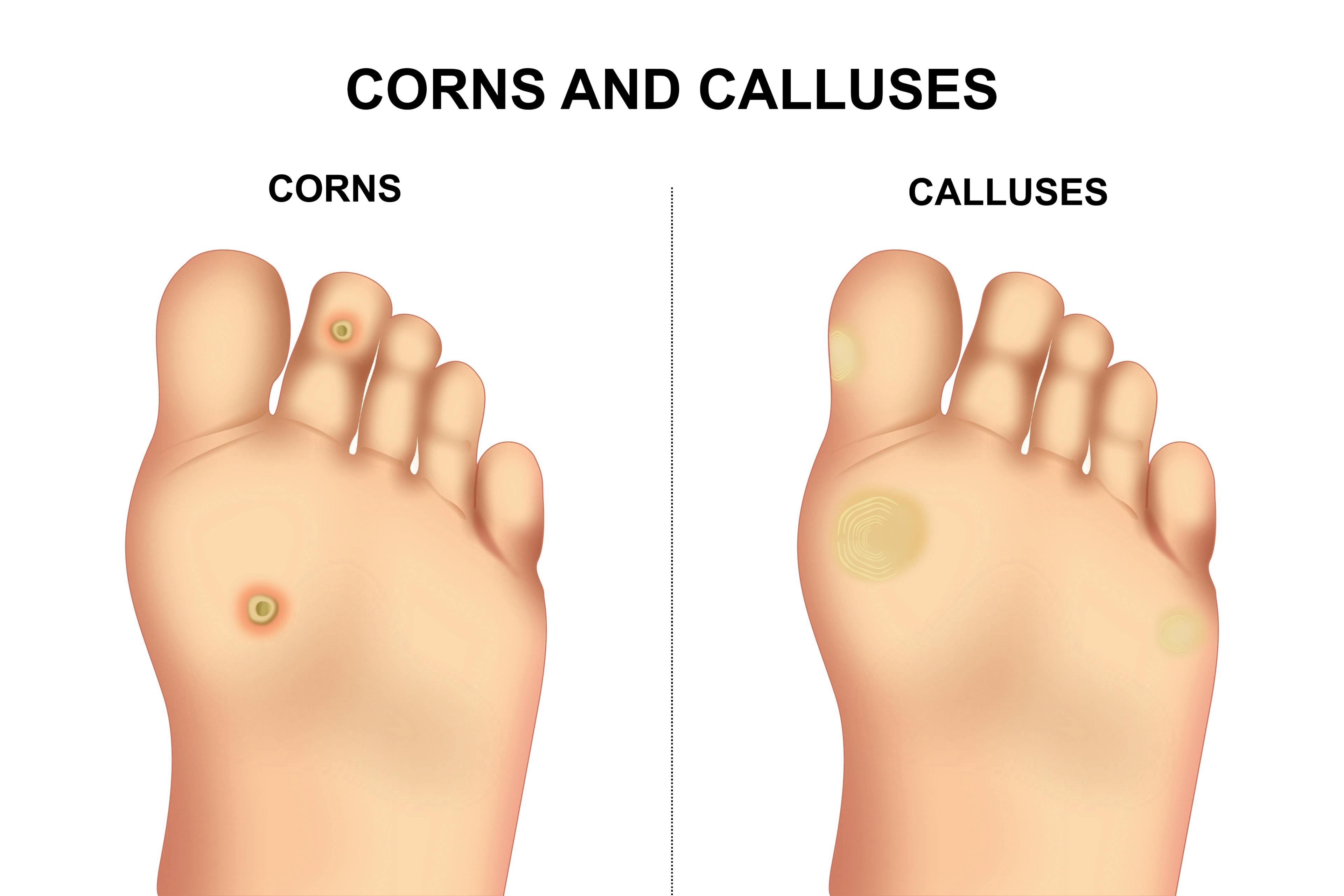
At the center of a corn, you’ll usually notice a firm white spot known as the core. Over time, the skin beneath the corn can turn red, brown, or black as a result of chronic irritation. Monitoring for signs of infection—such as drainage, warmth, or increasing redness—is important.
If you’re unsure whether you’re dealing with a corn, you may find it helpful to review What does a corn look like pictures for visual guidance. Comparing different types can also be useful, including Pictures of soft corns on feet, since soft corns typically form between toes and have a different texture and appearance.
Treatment and removal
In most cases, a pinky toe corn can be managed at home with consistent care. However, there are circumstances where professional medical treatment is recommended, especially if the corn is painful, persistent, or complicated by underlying health conditions.
Home remedies
Before scheduling a doctor’s visit, you can try several self-care strategies for pinky toe corn removal:
Soaking
Begin by soaking your foot in warm water. This helps soften the thickened layers of dead skin and may cause part of the corn to loosen from your pinky toe. Soaking for 10 to 15 minutes daily can make subsequent treatments more effective. If soaking alone does not provide improvement, the next step is filing.
Filing
Pumice stones, which are made from natural volcanic rock, are widely available at pharmacies, beauty stores, and online retailers. After soaking, thoroughly dry your foot and then use the pumice stone to apply gentle, even pressure to the corn, gradually filing away layers of dead skin.
This approach requires patience. You may need to repeat the cycle of soaking, drying, and gentle filing over several days or weeks to see noticeable results. Avoid aggressive scraping, as this can injure healthy skin and increase the risk of infection.
Medicated pads
Over-the-counter medicated corn pads are another option. These pads cushion the pinky toe while delivering medication designed to dissolve the corn.
Most of these products contain salicylic acid, which works by breaking down thickened skin. Doctors recommend using salicylic acid products cautiously, particularly if you have sensitive skin, diabetes, or circulation problems. Carefully follow the instructions to avoid skin irritation or chemical burns.
Despite consistent home care, some hard corns on the pinky toe may not fully resolve without medical intervention.
Shaving
A healthcare professional may use a sterile surgical blade to carefully shave away the thickened, dead skin and remove the corn. This procedure should only be performed in a controlled, sterilized setting to reduce the risk of infection or accidental injury. Attempting to cut or shave a corn at home is not recommended.
Surgery
In rare cases where a corn repeatedly returns, you may be referred to a podiatric surgeon. The surgeon will evaluate and correct underlying structural abnormalities in your pinky toe’s bone alignment that may be contributing to ongoing friction and recurring corns. Addressing the root cause can significantly reduce the likelihood of future problems.
Causes
Corns, also known as clavus, are common and can affect people of all ages. Some individuals are more susceptible than others. A corn on your pinky toe may develop due to:
- shoes that are too narrow or that rub against your pinky toe while walking
- occupations requiring prolonged standing, such as working in a restaurant, outdoors, or in health care
- structural abnormalities in the shape of your feet or toe bones
- an abnormal gait or walking pattern that increases pressure on specific areas
People with diabetes, joint disease such as arthritis, or those over age 65 are more likely to develop corns. Reduced sensation or circulation issues in these populations can also increase the risk of complications, making early treatment especially important.
Pain level
The usual pain level associated with a pinky toe corn ranges from mild to moderate. You might notice discomfort when putting on shoes or when your feet feel compressed. Direct pressure on the corn often triggers tenderness.
If you experience intense or severe pain, it may indicate a different condition, such as an infection, ulcer, or another type of foot lesion. In that case, prompt medical evaluation is advised.
Prevention
You can take several proactive steps to lower your risk of developing another pinky toe corn:
- wear properly fitted shoes that do not squeeze or rub against your pinky toe
- use adhesive pads or silicone toe sleeves to protect high-friction areas
- keep your feet dry while wearing shoes to minimize friction
- apply moisturizer regularly to prevent excessive dryness and cracking
- trim your toenails routinely to reduce pressure within your footwear
Additionally, rotating shoes, choosing breathable materials, and addressing foot alignment issues early can help prevent the repeated friction that leads to hard corns.
When to talk with a doctor
While corns often cause some discomfort and dull aching, you should consult a doctor if the pain from your pinky toe corn becomes severe or progressively worse.
Other warning signs that warrant medical attention include:
- difficulty walking
- swollen feet
- sharp, stabbing, or burning pain
- an open sore that oozes or appears infected
- yellow or green discharge from the corn
If you have diabetes or circulation problems, it’s especially important to seek medical advice before attempting self-treatment.
The bottom line
The pinky toe is one of the most frequent sites for corns to develop due to ongoing pressure and friction. Reviewing Pictures of hard corns on feet can help you recognize the condition early and begin appropriate care.
Many people find relief with consistent home remedies such as soaking, gentle filing, and protective padding. If these measures do not resolve the corn, a podiatrist can provide additional treatment options. When pain becomes severe or signs of infection appear, schedule an appointment with your doctor promptly to ensure proper evaluation and care.














Leave a Reply
You must be logged in to post a comment.