
Key takeaways
- People with diabetes can better control blood sugar levels by paying attention to the glycemic index (GI) of foods, including fruit. The GI reflects how rapidly a food raises blood glucose, with lower numbers being more favorable.
- Many fruits fall within the low to moderate GI range and deliver key nutrients such as vitamins, antioxidants, and fiber, making them a wholesome choice when eaten in sensible portions.
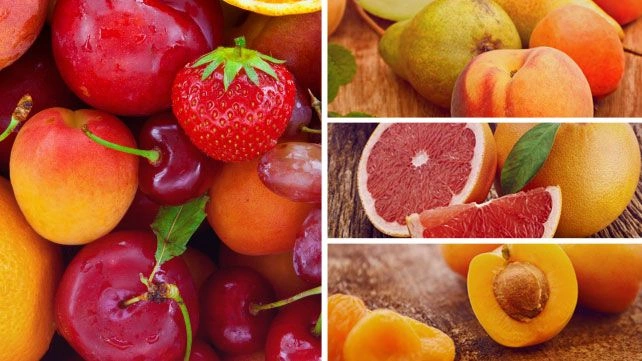
- Examples of low-GI fruits include cherries, grapefruit, apricots, pears, apples, oranges, plums, strawberries, peaches, and grapes. Dried fruits and fruit juices generally have higher GI values and are best enjoyed in limited amounts.
One of the primary goals of diabetes management is keeping blood sugar levels steady and reducing sharp increases in blood glucose. There are several strategies to achieve this, such as routine blood glucose monitoring, tracking carbohydrate intake, and reviewing foods using the glycemic index (GI).
Certain nutrients, especially fiber, can slow the absorption of glucose in the digestive tract and help lower the risk of sudden spikes. Although fruits naturally contain sugar, they also provide fiber and beneficial plant compounds. Because of this combination, many are considered suitable options among the 5 best fruits for diabetics and often have a low GI value.
Beyond fiber, fruits supply a wide range of essential vitamins, minerals, and antioxidants that support overall health. Including a colorful variety of fruit in moderation can be an important component of a balanced eating pattern for people living with diabetes.
What is the glycemic index?
The glycemic index (GI) is a tool developed by researchers to help estimate how different carbohydrate-containing foods may influence blood sugar levels. Your healthcare provider may recommend using the GI as part of a comprehensive approach to healthy eating.
The GI compares how quickly various carbohydrate foods are likely to raise blood glucose.
It classifies foods into broad categories to help guide meal planning and food selection.
GI values are grouped as follows:
- Low: 55 or below
- Moderate: 56 to 69
- High: 70 and above
Foods with a lower GI are digested and absorbed more gradually, leading to a slower and more manageable rise in blood sugar after eating.
Most whole, fresh fruits fall into the low-to-moderate GI category. In addition to their glycemic profile, they offer valuable nutrients such as vitamins A and C, antioxidants, and dietary fiber that support metabolic and cardiovascular health.
Below are examples frequently included in lists of the 5 best fruits for diabetics and other low-GI fruit options. Regardless of GI value, it’s important to incorporate fruit into a well-rounded eating plan developed with your healthcare team. If you’re wondering What is the best fruit for diabetics?, the answer often depends on portion size, overall carbohydrate intake, and your individual blood sugar response.
1. Cherries
Cherries are rich in potassium and antioxidants, nutrients that help support immune function and overall health.
One cup of cherries with pits provides:
- carbohydrates: 22.1 grams (g), of which 17.7 g are sugars
- calories: 86.9
- fiber: 2.9 g
- vitamins B, C, and K
Because fresh cherries have a relatively short season, frozen varieties without added sugar can be a practical alternative year-round.
2. Grapefruit
Grapefruit is another low-GI fruit and an excellent source of vitamin C.
Half a grapefruit also provides:
- carbohydrates: 10.7 g
- calories: 43.7
- calcium, folate, and vitamin A
Speak with your doctor before adding grapefruit or grapefruit juice to your diet if you’re taking statins or other prescription medications, as grapefruit can interact with certain drugs.
3. Apricots
Apricots supply potassium, phosphorus, and several other minerals that contribute to overall wellness.
One 35 g apricot provides:
- carbohydrates: 3.9 g, of which 3.2 g are sugars
- calories: 16.8
- fiber 0.7 g
- calcium and copper
- vitamins C, A, E, and some B vitamins
Dried apricots are considered a medium-GI fruit and can be a nutritious option when eaten in small portions. Because drying removes water, the carbohydrate content per serving is more concentrated than in fresh fruit.
One dried apricot contains:
- carbohydrate: 4.4 g, of which 3.8 g are sugars
- calories 16.9
- fiber 0.51 g
Enjoy dried apricots as a light snack or pair them with savory dishes such as pork, salads, or grains like couscous.
Discover more about Type 2 Diabetes
4. Pears
Pears offer a naturally sweet flavor and, when eaten with the skin, are high in fiber. They also have a low GI value.
One medium pear provides:
- carbohydrates: 27.1 g, of which 17.4 are sugars
- fiber: 5.52 g
- calories: 101
- potassium, magnesium, and phosphorus
- vitamins C, K, and some B vitamins
For a refreshing option, try this seasonal pear and pomegranate salad.
5. Apples
Apples provide a satisfying crunch along with natural sweetness. They are low on the GI scale and contain beneficial fiber.
They may also contribute to a healthy gut microbiome and offer additional health advantages.
While nutrient content can vary by variety, one medium apple typically provides:
- carbohydrates: 25.1 g, of which 18.9 g are sugars
- fiber: 4.8 g
- calories: 94.6
- potassium, vitamin C, some B vitamins, and a range of antioxidants
6. Oranges
Oranges are well known for their vitamin C content and also have a low GI value.
Eating a whole orange is less likely to raise blood sugar quickly compared with drinking orange juice, and it is generally more filling. It takes multiple oranges to produce a single glass of juice, which increases the carbohydrate load.
A typical orange weighing 154 g provides:
- carbohydrates: 18.2 g, of which 13.8 g are sugars
- fiber: 3.4 g
- calories: 77
- vitamin C: 87 milligrams (mg)
- calcium, mangnesium, phosphorus, potassium
- vitamin A and a range of antioxidants
Consider using red blood oranges in this recipe for spicy orange tilapia for added color and flavor.
7. Plums
Plums can be enjoyed fresh or dried (as prunes).
One fresh plum weighing 66 g will provide:
- carbohydrates: 7.5 g, of which 6.5 g are sugars
- fiber: 0.9 g
- calories: 30.4
- potassium, magnesium
- vitamin C, A, and some B vitamins
Prunes are plums that have been dried, which concentrates their carbohydrates and raises their GI value.
One pitted prune weighing 9.5 g contains:
- carbohydrate: 6.1, of which 3.6 g are sugars
- fiber: 0.6 g
- calories: 22.8
- calcium, potassium, magnesium
Prune juice is also available, but review the nutrition label for sugar and carbohydrate content.
What are the benefits of prunes and prune juice?
8. Strawberries
Strawberries and other berries typically have a low GI value and are rich in vitamin C, fiber, and antioxidants.
A half-cup of strawberries weighing 75 g provides:
- carbohydrates: 11.4 g, of which 8.0 g are sugars
- fiber: 2.7 g
- calories: 52.5
- vitamin C: 84 mg
- a range of antioxidants, including choline, beta carotene, and lutein + zeaxanthin
Enjoy strawberries on their own, pair them with Greek yogurt, or blend them into smoothies for a nutrient-dense option.
9. Peaches
Peaches can be eaten fresh, added to smoothies, or combined with fruits such as blueberries or mango.
One peach weighing 150 g provides:
- carbohydrates: 15.2 g, of which 12.6 g are sugars
- fiber: 2.3 g
- calories: 69
- vitamins K, A, and C
- antioxidants, including choline, beta carotene, and lutein + zeaxanthin
10. Grapes
Grapes have a low GI value and supply antioxidants such as proanthocyanidins, anthocyanins, flavonols, and phenolic acids. These compounds may help manage inflammation, support gut bacteria, and reduce the risk of cardiovascular disease.
A half-cup of grapes weighing 75 g provides:
- carbohydrate: 13.6 g, of which 11.6 g are sugars
- fiber: 0.7 g
- calories: 51.8
- calcium, potassium, magnesium
Dried grapes, such as raisins, fall into the medium GI category.
One small box of raisins weighing 1.5 ounces (43 g) provides:
- carbohydrate: 34.1 g, of which 28 g are sugars
- fiber: 1.9 g
- calories: 129
- protein: 1.42 g
- calcium, iron, potassium, phosphorus, and magnesium
Raisins can be part of a balanced diet but should be eaten in moderation due to their concentrated carbohydrate and calorie content. As a dried fruit, they have a medium GI value.
Frequently asked questions
Is the GI value the best way to decide which fruits to eat?
GI values provide a helpful framework for choosing foods and can be useful within a broader dietary strategy for diabetes management.
However, building a personalized plan with a healthcare professional, maintaining a balanced diet, engaging in regular physical activity, and checking blood sugar with a glucometer are all key elements of effective diabetes care.
What are the best low glycemic fruits?
Most fruits tend to be low on the GI scale, typically scoring below 55. Apples, oranges, and pears are examples of fruits with low values. Some dried fruits, including sweetened cranberries, have medium GI scores.
What fruits should diabetics avoid?
Whole and frozen fruits without added sugar can fit into a diabetes-friendly eating plan, but monitoring carbohydrate intake is important according to your individualized treatment strategy. For a deeper comparison, you can review the 5 worst fruits to eat for diabetics to understand which options may raise blood sugar more quickly.
Fruits that may contain higher amounts of sugar include:
- canned or dried fruits with added sugars
- fruit juices, including 100% juice
- dried fruits
- watermelon and lychee, which have high GI values
- pineapple, pawpaw, and rock melon, which have medium GI values
In general, foods that are more processed tend to have a higher GI because processing makes sugars easier to absorb. Choosing a variety of whole fruits in appropriate portions is usually the most balanced approach.
What fruit does not spike blood sugar?
Eating moderate portions of whole, low-GI fruits—such as apples—is less likely to trigger rapid increases in blood sugar compared with dried fruit, fruit juice, or fruit with added sugars.
Summary
Most fresh, whole fruits have a low GI value and can play a positive role in a diabetes-friendly diet. The 5 best fruits for diabetics and other low-GI options offer fiber, antioxidants, and essential nutrients that support overall health. Still, GI is only one factor to consider when planning meals.
Dried fruits and fruit juices generally have higher GI values. Although they provide certain nutrients, they should be consumed in moderation due to their concentrated carbohydrate content.
Maintaining a balanced eating pattern that includes a wide assortment of fruits and vegetables helps ensure adequate intake of vitamins, minerals, and antioxidants essential for long-term health.






















Leave a Reply
You must be logged in to post a comment.