
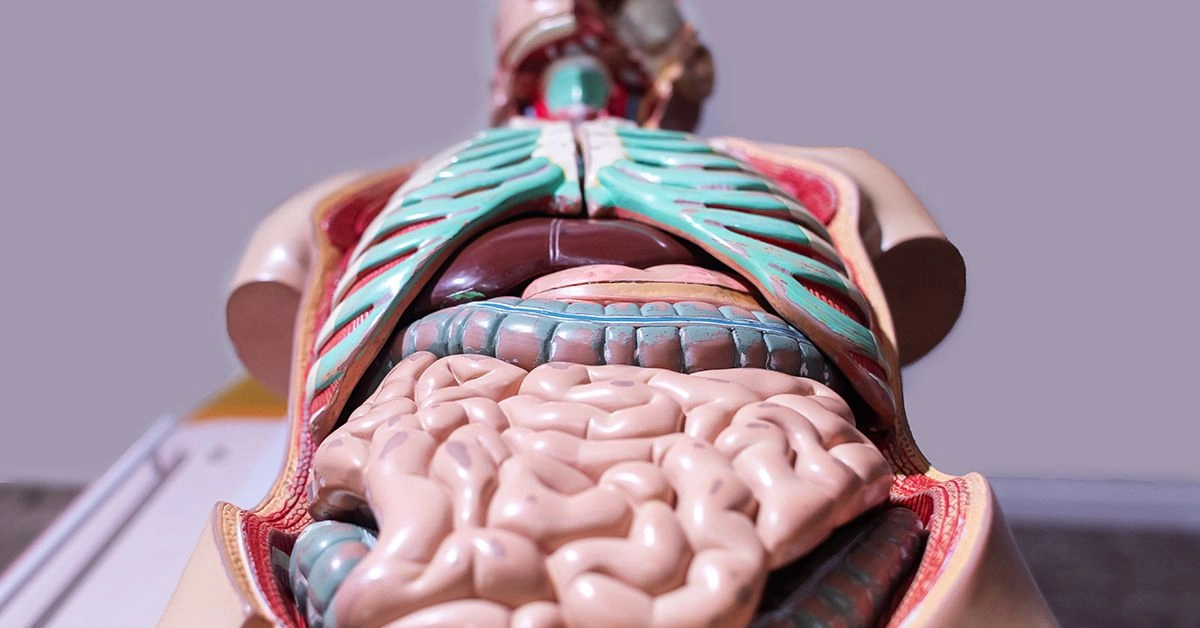
Diverticulitis is a digestive disorder that develops when a diverticula in the large intestine becomes inflamed or infected, leading to a range of gastrointestinal symptoms. In certain situations, complications can arise that require prompt or emergency medical care.
In diverticulosis, small pouches called diverticula develop in the lining of the large intestine (colon) and protrude through weak areas in the intestinal wall.
Diverticulitis happens when these diverticula become irritated, inflamed, or infected. This can result in uncomfortable digestive symptoms and, in more serious cases, significant health complications.
Nearly 200,000 people in the United States are hospitalized each year due to diverticulitis, highlighting how common and potentially serious this condition can be.
Below, you’ll find an in-depth overview of the causes, symptoms, treatment strategies, and important considerations—including Drugs to avoid with diverticulitis—to help you better understand and manage this condition.
Symptoms of diverticulitis
Diverticulitis symptoms can vary from mild discomfort to severe pain. They may begin suddenly or gradually worsen over several days.
Symptoms of diverticulitis may include:
- pain in your abdomen
- bloating
- fever and chills
- nausea and vomiting
- increased urinary urgency
- diarrhea
- constipation
Abdominal pain is the most common symptom. It typically occurs in the lower left side of the abdomen, although some people may feel it on the right side instead.
Many people describe the discomfort as sharp, cramping, or persistent. If you’re unsure What does a diverticulitis attack feel like, it often presents as steady lower abdominal pain accompanied by digestive upset and sometimes fever.
Bowel habits may also change during a flare-up. Some individuals experience constipation, while others develop diarrhea. If you notice unusual stool changes and are curious about What does poop look like with diverticulitis, stool may appear loose, narrow, or occasionally contain mucus or blood in complicated cases.
If you develop any of these symptoms—especially severe abdominal pain, high fever, or rectal bleeding—seek medical care immediately, as these may signal a complication.
Causes of diverticulitis
Diverticulitis develops when diverticula form along the wall of the colon and later become inflamed or infected.
The precise reason this occurs is not fully understood. However, research suggests it may be linked to alterations in the gut microbiome or ongoing low-grade inflammation within the digestive tract.
Increased pressure inside the colon and structural weaknesses in the intestinal wall may also contribute to the formation of diverticula, which can then become irritated under certain conditions.
Risk factors for diverticulitis
Researchers have identified several factors that increase the likelihood of developing diverticulitis.
Diverticulosis affects nearly 6 in 10 people over the age of 60, and up to 25% of these individuals will eventually develop diverticulitis.
Diverticulitis is more commonly seen in males under 50 and in females between 50 and 70 years old.
Developing diverticula at a younger age may raise the risk of experiencing diverticulitis. Younger individuals are also more likely to require hospitalization during acute episodes compared with older adults.
Additional risk factors may include:
- family history of diverticulitis
- obesity
- sedentary lifestyle
- smoking
- taking certain medications, such as nonsteroidal anti-inflammatory drugs (NSAIDs), opioids, and steroids
Understanding Drugs to avoid with diverticulitis is especially important. NSAIDs, opioids, and steroids have been associated with an increased risk of complications or worsening inflammation.
A 2017 review found no strong evidence that alcohol intake directly increases the risk of diverticulitis. Still, moderation is advisable, as excessive alcohol consumption can contribute to other gastrointestinal and systemic health problems.
What are the complications of diverticulitis?
Approximately 1 in 4 people with diverticulitis develop complications. These can include:
- abscess
- phlegmon
- fistula
- intestinal perforation
- intestinal obstruction
Additionally, up to 1 in 2 people may experience recurrent diverticulitis flare-ups over time, making long-term management and prevention strategies essential.
How is diverticulitis diagnosed?
To diagnose diverticulitis, a doctor will begin with a physical examination to assess abdominal tenderness. They will also review your symptoms, medical history, and any medications you are currently taking, including over-the-counter drugs.
If further evaluation is needed, a digital rectal exam may be performed to check for:
- rectal bleeding
- pain
- masses
- other problems
Additional diagnostic tests may be ordered to confirm diverticulitis and rule out other conditions such as ulcerative colitis or Crohn’s disease. These tests include:
- imaging tests, such as abdominal ultrasound, MRI, CT, and X-ray
- stool test
- urine test
- blood tests
- pelvic exam
- pregnancy test
These evaluations help determine whether diverticulitis is uncomplicated or complicated, which guides treatment decisions.
Treatment for diverticulitis
Treatment for diverticulitis depends largely on how severe the inflammation or infection is.
Management often includes a combination of dietary adjustments, medications, and, in rare circumstances, surgery.
Dietary changes
There are no particular foods universally prohibited for people with diverticulitis. However, certain foods may aggravate or relieve symptoms depending on the individual.
During an acute flare-up, a doctor may recommend a clear liquid diet to allow the colon to rest.
You may also be advised to limit red meat, high fat dairy products, and refined grain products, as these may contribute to inflammation in some individuals.
As symptoms improve, gradually reintroducing high fiber foods is often encouraged. Some studies associate high fiber diets with a lower risk of diverticulitis. However, other studies remain inconclusive regarding the exact role of fiber in diverticular disease.
A balanced diet rich in fruits, vegetables, whole grains, and adequate hydration may support long-term digestive health and help reduce recurrence risk.
Medication
Over-the-counter pain relievers such as acetaminophen (Tylenol) may help ease discomfort associated with diverticulitis.
It is essential not to take NSAIDs for pain relief, as they may worsen inflammation or increase the risk of complications. When discussing Drugs to avoid with diverticulitis, NSAIDs are among the most commonly cited medications.
More severe cases may involve bacterial infection. In these situations, a doctor may prescribe antibiotics such as:
- metronidazole (Flagyl, Flagyl ER)
- amoxicillin
- moxifloxacin
Mild diverticulitis, however, is often managed without antibiotics, depending on clinical evaluation.
If antibiotics are prescribed, it is important to complete the full course, even if symptoms improve early in treatment.
Surgery
Surgery may be necessary if complications develop or if recurrent episodes cannot be effectively managed through conservative measures.
The two main types of surgery for diverticulitis are:
- Bowel resection with anastomosis: The surgeon removes the infected portions of the colon and reconnects the remaining healthy segments.
- Bowel resection with colostomy: The surgeon removes the diseased sections and creates a stoma, attaching the healthy end of the colon to an opening in the abdomen.
These procedures may be performed using open surgery or laparoscopic techniques, depending on the situation.
Home remedies for diverticulitis
In addition to medical treatment and dietary adjustments, certain supportive measures may help relieve symptoms. However, more research is needed to confirm their effectiveness:
- Probiotics: Some studies suggest specific probiotic strains may help reduce or prevent symptoms.
- Extracts: Herbal extracts such as Curcuma longa L. and Boswellia serrata may help alleviate abdominal discomfort.
- Acupuncture: Certain research indicates acupuncture may improve chronic abdominal pain linked to diverticulitis.
Meckel’s diverticulitis
Diverticulosis usually affects adults. Rarely, infants are born with diverticula, a condition known as Meckel’s diverticulum.
If inflammation occurs in this congenital pouch, it is referred to as Meckel’s diverticulitis.
In some cases, Meckel’s diverticulum produces no symptoms. In others, it may cause:
- abdominal pain
- nausea
- vomiting
- bloody stool
- bleeding from the rectum
If you suspect your child has symptoms suggestive of diverticulitis, consult a doctor promptly.
Preventing diverticulitis
Certain lifestyle and dietary habits may reduce the risk of diverticulitis, including:
- maintaining a moderate body weight
- eating a high fiber diet to help bulk up stools (though fiber may be limited during acute episodes)
- limiting saturated fat intake
- engaging in regular physical activity
- quitting smoking, if applicable
Reviewing medications with your healthcare provider, especially concerning Drugs to avoid with diverticulitis, can also be an important preventive step.
Other forms of diverticulitis
Although diverticula most commonly form in the large intestine, they can also develop elsewhere in the body.
- Bladder diverticulitis: Occurs when diverticula in the bladder lining protrude through weak areas and become inflamed. Severe colon diverticulitis can sometimes lead to a colovesical fistula between the colon and bladder.
- Esophageal diverticulitis: Develops when diverticula in the esophageal lining become infected. These are rare and typically form slowly over many years.
Takeaway
Diverticulitis is relatively common in Western countries.
Most cases can be successfully managed with short-term dietary modifications, appropriate medication, and careful monitoring.
However, complications may require hospitalization or surgical intervention to repair damage to the colon.
If you have symptoms of diverticulitis or concerns about flare-ups, consult a doctor. A healthcare professional can help tailor a treatment and prevention plan that addresses your symptoms, lifestyle, and medication use—including guidance on Drugs to avoid with diverticulitis.














Leave a Reply
You must be logged in to post a comment.