
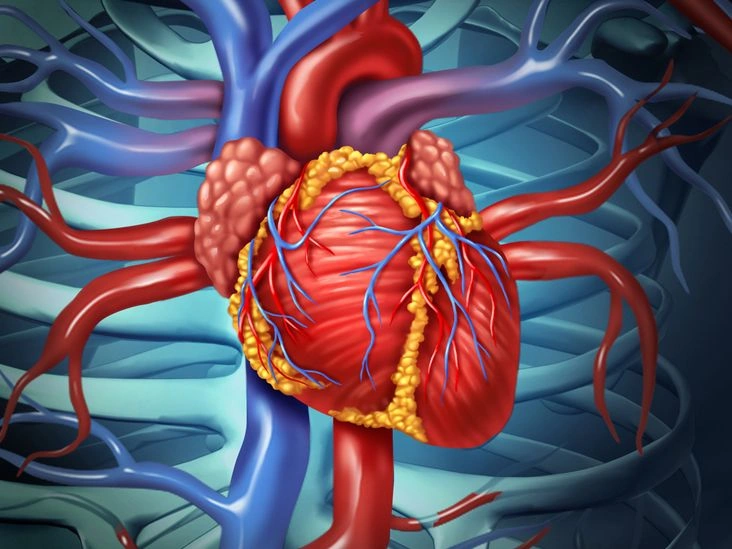
Open-heart surgery is a major cardiac procedure that involves opening the chest to operate on the heart’s muscles, valves, or arteries. Proper postoperative care, including careful attention to your incision and overall health, plays a crucial role in reducing potential complications and supporting healing. For individuals researching open heart surgery cost near webster, ny, understanding the procedure itself, recovery expectations, and possible risks is just as important as evaluating financial considerations.
Coronary artery bypass grafting (CABG) is the most common type of heart surgery performed in adults. During CABG, a healthy artery or vein is surgically attached (grafted) to a coronary artery to reroute blood around a blockage. This new pathway restores adequate blood flow to the heart muscle, helping relieve symptoms such as chest pain and reducing the risk of serious cardiac events.
Open-heart surgery is sometimes referred to as traditional heart surgery. Today, certain heart procedures can be completed using minimally invasive techniques, which involve smaller chest incisions. In other cases, procedures may be performed percutaneously, meaning access to the heart is achieved through wires and catheters inserted into a vein or artery in another part of the body. However, many complex cardiac conditions still require the traditional open approach for optimal results.
When evaluating Open heart surgery cost or comparing open heart surgery cost near rochester, ny, factors such as hospital stay, surgeon expertise, ICU care, and rehabilitation services all influence overall expenses. Geographic location, insurance coverage, and the complexity of the procedure also play significant roles.
When is open-heart surgery needed?
Open-heart surgery may be recommended to perform a CABG. A coronary artery bypass graft is often necessary for individuals diagnosed with coronary heart disease.
Coronary heart disease develops when the arteries supplying blood and oxygen to the heart muscle become narrowed and stiff. This process, known as atherosclerosis or “hardening of the arteries,” occurs when fatty deposits form plaque along the arterial walls.
As plaque builds up, the coronary arteries narrow, restricting blood flow. If the heart muscle does not receive enough oxygen-rich blood, it can result in chest pain (angina), heart attack, or heart failure.
In addition to CABG, open-heart surgery may be performed to:
- repair or replace heart valves that regulate blood flow through the heart
- correct damaged or structurally abnormal areas of the heart
- replace a failing heart with a donor heart (heart transplantation)
How is open-heart surgery performed?
According to the National Institutes of Health, a CABG procedure typically lasts between 3 and 6 hours. It generally follows these steps:
- The patient receives general anesthesia to ensure they remain asleep and pain free throughout the operation.
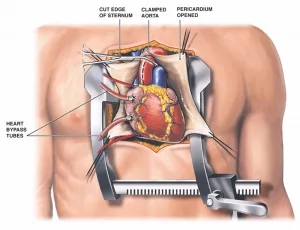
- The surgeon creates a 6- to 8-inch cut in the chest.
- The breastbone is partially or fully divided to provide access to the heart.
- Once the heart is exposed, the patient may be connected to a heart-lung bypass machine. This device temporarily performs the heart’s pumping function and oxygenates the blood, allowing the surgeon to stop the heart safely during the procedure.
- A healthy vein or artery is used to construct a new route around the blocked coronary artery.
- The breastbone is secured with surgical wire, which remains inside the body permanently.
- The original chest incision is then closed with stitches or staples.
For patients considered high risk—such as those who have undergone multiple prior surgeries or older adults—sternal plating may be utilized. This technique reconnects the breastbone using small titanium plates to enhance stability and support healing.
What are the risks of open-heart surgery?
Like all major operations, open-heart surgery carries potential risks. These may include:
- chest wound infection (more common in patients with obesity, diabetes, or those who’ve had a CABG before)
- heart attack or stroke
- irregular heartbeat
- lung or kidney failure
- damage to heart or surrounding structures
- memory loss or “fuzziness”
- bleeding
- blood clot
- pneumonia
Your healthcare team will carefully assess your medical history and risk factors before surgery to minimize these complications. Managing chronic conditions such as diabetes and high blood pressure before the operation can significantly improve outcomes.
How to prepare for open-heart surgery
Inform your doctor about all medications you take, including over-the-counter drugs, vitamins, and herbal supplements. You should also disclose any illnesses, especially infections, as these may affect surgical timing.
Before surgery, your surgeon will advise you if you need to temporarily discontinue medications such as blood thinners.
Discuss your alcohol consumption honestly with your doctor. If you regularly consume three or more alcoholic drinks daily and abruptly stop before surgery, you may experience alcohol withdrawal. This can lead to serious complications after open-heart surgery, including seizures or tremors. Your medical team can help manage withdrawal safely and reduce associated risks.
You may be instructed to bathe with a special antibacterial soap the day before surgery to decrease the likelihood of infection. Additionally, you will likely be told not to eat or drink anything after midnight prior to the procedure.
Detailed preoperative instructions will be provided when you arrive at the hospital. Following these directions closely can help ensure a smoother surgical experience and recovery.
What happens after open-heart surgery?
Upon waking after surgery, you will typically have two or three tubes placed in your chest to drain fluid from the area surrounding your heart. Intravenous (IV) lines in your arm will deliver fluids and administer certain medications.
You will be closely observed by a specialized team of healthcare professionals. Most patients spend the first day or two in the intensive care unit (ICU), followed by approximately one additional week in the hospital, depending on individual progress and any complications.
Recovery, follow-up, and what to expect
Self-care at home is a vital component of your overall recovery. Adhering to discharge instructions, attending follow-up appointments, and participating in cardiac rehabilitation can significantly enhance healing and long-term heart health.
Incision care
Proper incision care is essential. Your healthcare team will explain when it is safe to shower and how to clean the incision correctly. Avoid allowing direct water pressure to hit the incision site. Regularly check for signs of infection, including:
- increased drainage, oozing, or opening from the incision site
- redness around the incision
- warmth along the incision line
- fever
Promptly report any of these symptoms to your doctor to prevent complications.
Pain management
Effectively managing pain can accelerate recovery and reduce the risk of complications such as blood clots or pneumonia. You may experience muscle soreness, throat discomfort, incision pain, or discomfort from chest tubes. Your doctor will prescribe pain medication for home use. Take it exactly as directed. Some physicians recommend using pain medication before engaging in physical activity and prior to bedtime to improve comfort and rest.
Get enough sleep
Sleep disturbances are common after open-heart surgery, yet adequate rest is critical for healing.
A 2021 study reported that 78% of patients experienced sleep disturbances during the first month after heart surgery, with some noting nightmares or night terrors. Approximately half used over-the-counter medications to assist with sleep.
Some research indicates that open-heart surgery may be linked to temporary cognitive decline. Encouragingly, many individuals show improvement within 6 months.
Feelings of depression or anxiety can also occur during recovery. Seeking support from a therapist or psychologist can be beneficial in managing emotional changes.
Rehabilitation
Most individuals who undergo CABG benefit from a structured outpatient cardiac rehabilitation program. These programs typically involve supervised exercise sessions several times per week, along with education on reducing cardiovascular risk factors and strategies for managing stress, anxiety, and depression. Participation in cardiac rehab has been shown to improve functional capacity and long-term outcomes.
The long-term outlook for open-heart surgery
Recovery from open-heart surgery is gradual. Many patients begin to notice improvement within six weeks, though full benefits may take up to 6 months to become apparent. For many, the long-term outlook is positive, and grafts can remain functional for many years.
However, surgery does not eliminate the possibility of future artery blockage. Protecting your heart health remains essential. You can lower your risk of recurrent coronary heart disease by:
- taking medications such as antiplatelet and cholesterol-lowering medications
- following a heart-healthy diet rich in fruits, vegetables, whole grains, and lean proteins
- reducing intake of foods high in salt, fat, and sugar
- engaging in regular physical activity as recommended by your doctor
- avoiding smoking and tobacco products
- controlling high blood pressure and high cholesterol
For those comparing open heart surgery cost near webster, ny, it is equally important to evaluate the quality of cardiac care, access to rehabilitation services, and long-term follow-up support. Comprehensive care not only influences recovery but can significantly impact your overall cardiovascular health for years to come.




















Leave a Reply
You must be logged in to post a comment.