
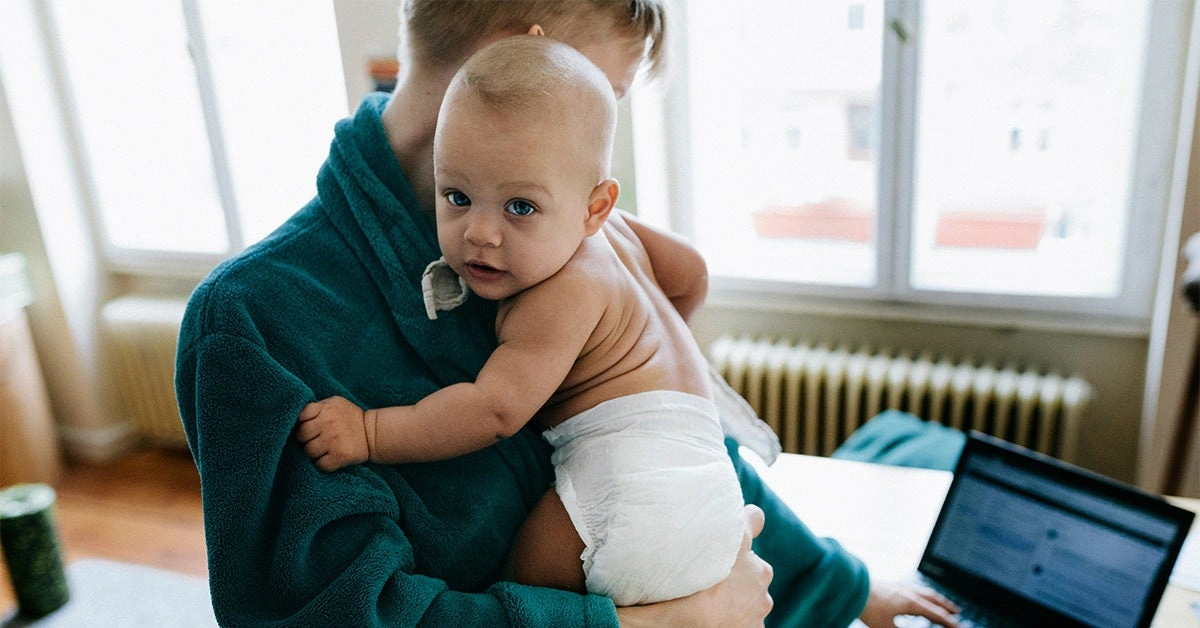
Life brings change — whether through pregnancy, losing or gaining weight, or other unexpected shifts. After some of these events, you may find that your body no longer looks or feels the way it once did.
It can be startling to catch your reflection and see what appears to be an excess of fat, tissue, and skin drooping from your abdomen like an apron.

At first you might be tempted to hide under oversized sweatpants and hoodies, yet you may also worry it won’t go away or question whether it signals a more serious health concern.
Especially after childbirth, you may ask whether this is a normal postpartum change. Whatever questions you have about apron bellies, the information below can help you begin to find answers.
What is an apron belly?
Also called a pannus or mother’s apron, an apron belly happens when the abdomen and the fat around internal organs expand from weight gain or pregnancy, creating extra fat deposits in the omentum (an apron-like fold beneath the abdominal muscles and in front of the intestines).
The size of an apron belly varies — it can hang just above the pubic area, reach the upper thighs, or even extend down to the knees. Two common contributors are childbirth and weight gain.
However, apron bellies aren’t limited to women or people with overweight. Men, individuals who have experienced weight loss, and others can also develop a pannus.
An apron belly may raise the risk for certain cancers, such as ovarian cancer. It has also been linked to cardiovascular disease and type 2 diabetes. For these reasons, addressing an apron belly can be important for both physical and emotional well-being.
How can you reduce discomfort from an apron belly?
Often the distress from an apron belly is emotional. Many people feel shame or stress about it. It’s crucial to remember you are not alone.
People of many body types can develop an apron belly. While it’s wise to address underlying health factors, try to release feelings of guilt or embarrassment about your body.
If your apron belly causes physical irritation, there are practical steps you can take to feel better:
- Use anti-chafing products. The skin beneath an apron belly can rub and chafe. Applying anti-chafing creams or balms can help prevent irritation and discomfort.
- Wear support garments. Supportive bands or specially designed clothing can help conceal an apron belly, reduce further sagging, and ease back strain caused by carrying extra weight in the front.
- Keep the area clean and dry. Good hygiene prevents rashes and other skin problems. Since the underside of a pannus is prone to friction and to trapping moisture and heat, it’s especially susceptible to irritation.

Finding methods to ease discomfort and boost your confidence is an essential first step. While you may pursue ways to shrink or remove the pannus, also take actions that help you feel comfortable and confident right now.
Can an apron belly be reduced or removed?
If you want to reduce or eliminate an apron belly, there are several paths you can take.
Remember that your overall health should come first, and any diet or exercise plan ought to support your general wellness. You cannot spot-reduce an apron belly; reduction comes from overall weight loss or from medical interventions.
Weight loss through diet and exercise
Overall weight reduction can lessen fat deposits. This approach also benefits your general health.
You may have heard that crunches and sit-ups are the solution. While these strengthen the abdominal muscles underneath, they won’t make a pannus vanish.
That’s because the abdomen has two layers of fat (unlike limbs, which mainly have one). Fat stored near vital organs served an evolutionary purpose, but it also makes abdominal fat among the hardest to tone.
When you do sit-ups, you target particular abdominal muscles. Those muscles can become stronger, yet they remain covered by a layer of fat.
Rather than concentrating solely on crunches, a varied exercise routine that involves movement in many planes is more effective for reducing an apron belly.
Pairing a nutritious, lower-calorie eating plan with diverse physical activity is a solid way to improve the look of your pannus and support overall health.
Surgical and non-surgical options
Be prepared that after losing fat, you may still have excess skin left behind — and diet or exercise won’t remove it. Some people have substantial extra skin; others less so.
There are both surgical and non-surgical treatments to address excess skin and fat, though they can be expensive.
Laser and CoolSculpting treatments
Non-surgical laser-based procedures can be attractive if you want assistance reducing belly fat.
These treatments can target fat in other problem areas as well, not just the abdomen. Keep in mind they aren’t suitable if you’re breastfeeding or if you have obesity or certain medical conditions.
Panniculectomy
This surgical procedure removes the pannus.
Unlike a tummy tuck, a panniculectomy does not aim to tighten abdominal muscles by removing excess skin and fat to create a flatter abdomen. However, it can be performed along with a tummy tuck or other abdominal surgeries when desired.
A panniculectomy may be covered by health insurance if you meet certain conditions, since it’s not always regarded as purely cosmetic. Because it is an operation, you must meet health criteria before the procedure can proceed.
Takeaway
If you notice a flap of skin hanging like an apron from your abdomen, you may feel embarrassed, anxious, or frustrated — but you’re not alone.
If your apron belly causes discomfort (chafing, rashes, etc.), there are ways to relieve those symptoms. You may also be able to reduce the pannus through lifestyle changes, non-surgical procedures, or surgery.
Consulting your healthcare provider can help rule out underlying health issues and give you tailored guidance about the best next steps for your situation.













Leave a Reply
You must be logged in to post a comment.