
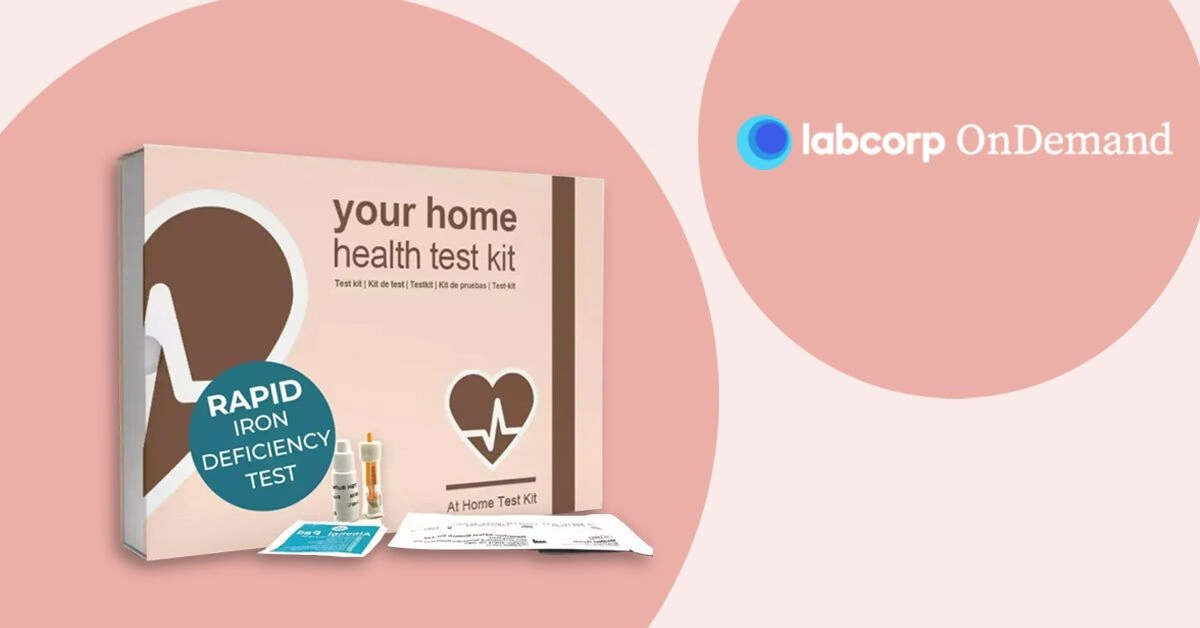
The most convenient, affordable, and reliable at-home iron test we recommend is the Allergy Test Iron Deficiency Test. Read on to learn more.
Whether you have hemochromatosis (excess iron) or iron deficiency anemia (insufficient iron), symptoms can be uncomfortable and have significant health consequences. A straightforward iron test can clarify your status.
Often, a clinician will request a lab-based iron panel if they suspect a problem. Still, you can also buy iron tests online. Some are true at-home kits, while others require a visit to a lab after purchase. Depending on the provider, some tests may be eligible for payment via a health savings account (HSA) or flexible spending account (FSA).
Remember that high or low iron can have multiple causes. For that reason, it’s wise to discuss your results with your healthcare provider, even if you use an at-home option or order testing without a physician’s referral.
A quick glance at top iron deficiency tests
What is iron?
Iron is a vital mineral present in every cell. It’s necessary to sustain hemoglobin, the protein in red blood cells that carries oxygen to organs and tissues and returns carbon dioxide to the lungs.
Low hemoglobin levels indicate fewer red blood cells, known as anemia, which often causes persistent fatigue and weakness. Some labs and kits measure ferritin, a marker of stored iron, which may be elevated in chronic conditions such as obesity, diabetes, autoimmune disorders, cancer, and liver disease, explains Soma Mandal, MD, a board-certified internist at Summit Health in Berkeley Heights, New Jersey.
“Yet ferritin should be evaluated alongside other measures, like serum iron and total iron-binding capacity (TIBC), to determine whether you truly have iron deficiency or iron overload,” Mandal adds.
What do iron tests measure?
There are multiple iron-related tests, each assessing a slightly different aspect.
- TIBC test: Total iron-binding capacity evaluates whether there is too much or too little iron circulating in the blood. A clinician might order this if anemia or iron excess is suspected, since either can indicate an underlying condition.
- Serum iron test: Often used as a follow-up when initial results are abnormal, this test measures iron concentration in the blood. Abnormal levels may point to a medical issue or excess iron intake.
- Ferritin test: Ferritin measures how much iron is stored in your body. Both low and high ferritin can cause symptoms like hair loss.
Iron versus ferritin
Iron in red blood cells transports oxygen around the body, while ferritin is a protein that stores iron within tissues. If ferritin is low, stored iron depletes quickly, potentially resulting in iron deficiency or anemia.
High ferritin may indicate underlying issues such as liver disease, rheumatoid arthritis, or other inflammatory conditions. Because ferritin is measured from a small blood sample, some at-home options may be practical.
However, at-home kits commonly assess iron storage (ferritin) rather than circulating iron, so clinicians will usually order additional labs—such as a TIBC or serum iron test—for a fuller picture.
What counts as too much or too little iron?
Iron deficiency
Iron deficiency is a leading cause of anemia and means your body lacks sufficient iron.
A hallmark symptom is feeling unusually tired or lacking energy. Other frequent signs include:
- weakness
- irritability
- difficulty concentrating
- paler-than-usual skin
- shortness of breath
Fatigue is common, but one clue to watch for is whether you feel excessively weak or drained during exercise.
Iron deficiency reflects reduced total body iron. With anemia, there aren’t enough healthy red blood cells—whose production depends on iron—to transport oxygen effectively. You can be iron deficient without anemia initially, but untreated deficiency typically progresses to anemia.
Iron overload
Hemochromatosis, or iron overload, occurs when iron accumulates excessively. This can be hereditary or related to other factors, such as:
- alcohol use disorder
- family history of diabetes
- cardiac disease
- liver disease
- use of iron or vitamin C supplements
- repeated blood transfusions
In hemochromatosis, the body cannot remove excess iron, which may collect in the liver, heart, skin, joints, pancreas, and pituitary gland and lead to organ damage.
Symptoms of iron overload may include:
- fatigue
- weakness
- weight loss
- abdominal pain
- reduced libido
- joint discomfort
- bronze or grayish skin tone
How to understand at-home iron test results
Serum iron
A high serum iron value indicates excess iron in the bloodstream, which over time can contribute to serious issues like diabetes, liver injury, and heart problems.
A low serum iron suggests inadequate iron, potentially due to dietary insufficiency or poor absorption; heavy menstrual bleeding can also cause deficiency.
TIBC
An elevated TIBC often signals low iron stores. Possible causes include:
- insufficient dietary iron
- menstruation or heavy periods
- pregnancy
Conversely, a low TIBC can point to excess iron in the blood, which may follow hemolytic anemia or iron poisoning. Other medical conditions can also lower TIBC. Discuss abnormal TIBC with your clinician.
Ferritin
Low ferritin readings may indicate iron deficiency, but a ferritin result alone doesn’t confirm the diagnosis.
Consult your physician to interpret findings and determine whether further tests are needed.
How we selected the top iron tests
We assessed brands and products offering at-home iron testing against strict quality criteria. This included verifying medical claims and accuracy and reviewing company practices to ensure alignment with industry standards.
We also examined each company’s reputation, including Better Business Bureau ratings and any legal history.
Additionally, we checked whether companies assist in interpreting results, avoid misleading health assertions, and process samples through accredited laboratories.
Our picks for the best in-lab and at-home iron tests
At-home iron testing
Allergy Test Iron Deficiency Test
- Test type:at-home
- FSA/HSA accepted:no
- Collection method:finger-prick blood draw
- Results in:24 hours
- Tests for:ferritin levels
Review
This ferritin-focused iron deficiency kit from UK-based Allergy Test ships quickly, usually within 1 to 3 business days.
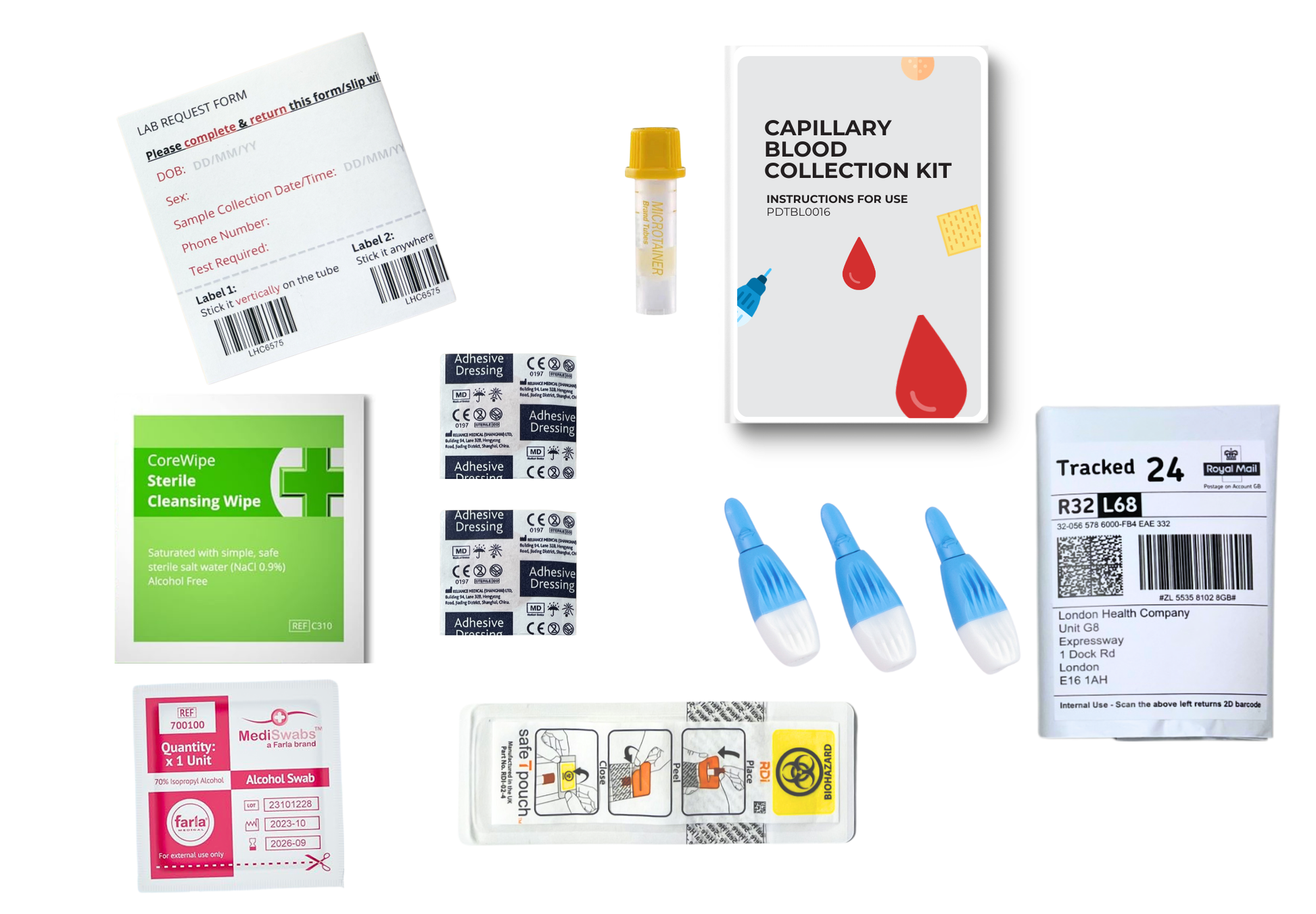
The kit asks for a small finger-prick blood sample and includes a sterile lancet and a capillary dropper to gather the blood.
Collecting the sample takes around 10 minutes, and results are available in under an hour after submission.
Your report will indicate whether ferritin is within a normal range or is deficient. It’s often advisable to follow up with your healthcare provider after receiving your results.
Pros & cons
- cost-effective and rapid
- provides limited detail, so medical follow-up is recommended
- cost-effective and rapid
- provides limited detail, so medical follow-up is recommended
Product details
- Accepts insurance :no
- Returns :Not accepted
- Shipping :Free
- Accepts insurance :no
- Returns :Not accepted
- Shipping :Free
In-person lab iron testing
Labcorp Anemia Blood Test
- Collection method:venous blood draw
- Results in:1 to 2 days
- Tests for:anemia; ferritin, iron, B12
- Follow-up guidance:free access to physician services from PWNHealth
- Test type:in-person, lab visit required
- FSA/HSA accepted:yes
Use code “HEALTHLINE20” for 20% off!
Review
For those able to attend a lab, Labcorp offers a comprehensive anemia panel that gives insight into iron stores.
This offering includes ferritin, iron, and TIBC testing, plus:
- red blood cell count
- white blood cell count
- hemoglobin
- hematocrit
- platelet count
- vitamin B12
- folate
- reticulocyte count
After purchase, you’ll visit a Labcorp location for the blood draw—bring your requisition number and photo ID. Results are posted to your Pixel by Labcorp account when available.
Note that fasting for 12 hours prior to the draw is required.
If ferritin is low, your body may deplete iron stores faster than average. Discuss results with your provider to confirm any diagnosis and determine next steps.
Pros & cons
- thorough panel; accepts HSA/FSA
- higher cost
- thorough panel; accepts HSA/FSA
- higher cost
Product details
- Accepts insurance :HSA/FSA
- Returns :no returns or refunds
- Shipping :shipping calculated at checkout
- Accepts insurance :HSA/FSA
- Returns :no returns or refunds
- Shipping :shipping calculated at checkout
Comparing iron deficiency tests
When to see a doctor for iron issues
Schedule an appointment if you suspect iron deficiency. Symptoms of iron-deficiency anemia may include:
- fatigue and weakness
- dizziness
- paleness
- lower than normal body temperature
- irregular or rapid heartbeat
- brittle nails
You may be at greater risk if you have heavy menstrual bleeding or a gastrointestinal disorder like Crohn’s disease.
Physicians commonly treat deficiency with oral supplements or dietary advice. If absorption is impaired, intravenous iron may recommended. Severe deficiency could require a blood transfusion.
Frequently asked questions about iron testing
What is an iron test?
Various tests evaluate iron in the body. A serum iron test measures how much iron is circulating in the blood. A TIBC test shows how well iron binds to proteins. A ferritin test reflects how much iron is stored in tissues.
A clinician may request a combination of these tests to form a complete picture and diagnose anemia or other conditions.
Iron testing requires a blood sample, usually drawn in a lab environment. The process is quick and causes little discomfort.
Are at-home iron tests reliable?
Yes, when instructions are followed carefully. Insufficient sampling can yield inaccurate results.
Mandal notes that the most reliable approach is blood drawn and analyzed in a lab, since finger-prick samples can be less accurate.
A 2015 study found that capillary (finger-prick) samples were less concentrated than venous samples and that counts may vary from drop to drop.
Generally, home kits analyzed by accredited labs can be as accurate as in-person testing, provided sampling is done correctly.
Can you screen for anemia at home?
Yes—several kits allow you to screen for anemia at home, but they may not deliver the precision or detail clinicians require for a definitive diagnosis. That’s why discussing whether an at-home option is appropriate with your doctor is recommended.
Takeaway
While you can obtain iron testing without seeing a doctor, you should not change medications, supplements, or diet without consulting a medical professional.
Individual iron tests may not be sufficient alone. For example, a ferritin measurement alone might suggest low iron but requires additional testing to confirm a diagnosis.
If your iron test results are abnormal, share them with your healthcare provider. They can order further testing and recommend the most suitable treatment.
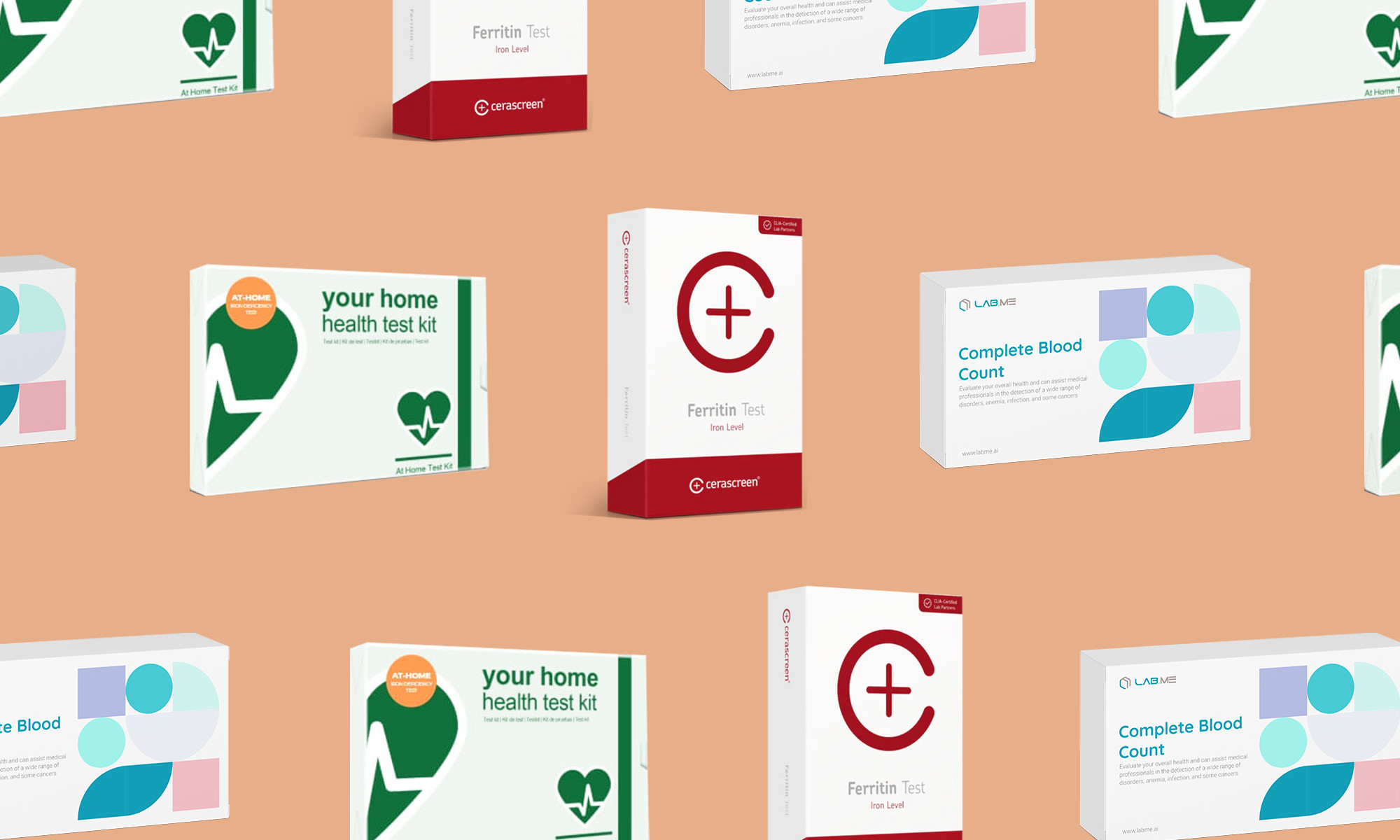
If you prefer to explore testing options from home, consider an at home drug test provider that also offers other convenient home testing services and resources to help you manage your health.
















Leave a Reply
You must be logged in to post a comment.