
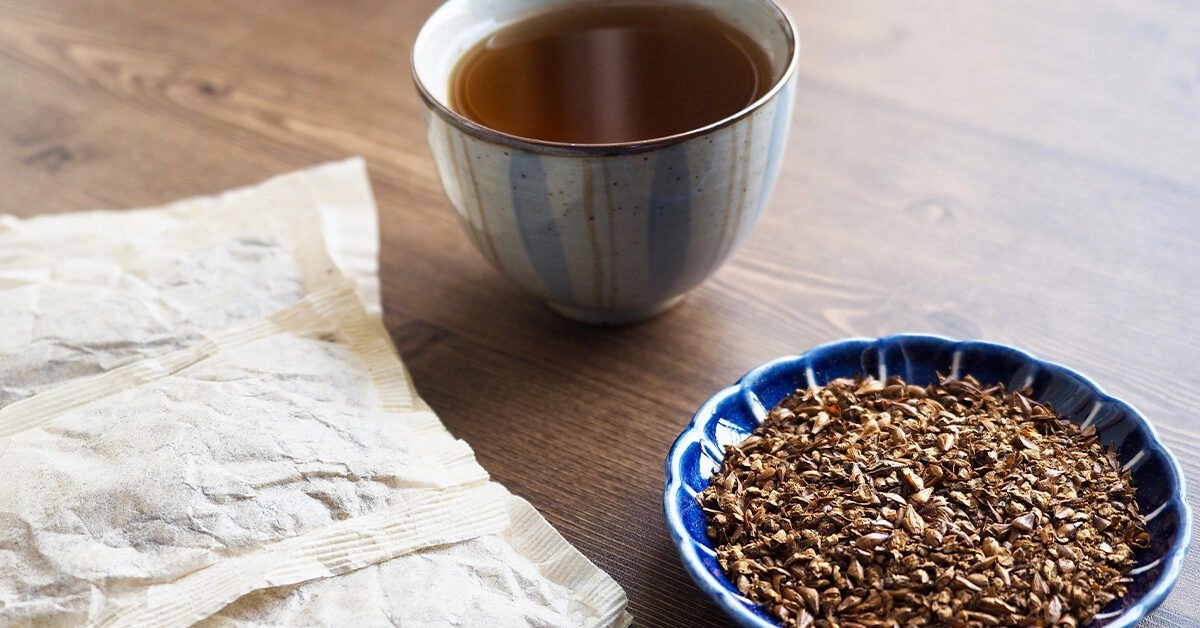
Barley tea is a well-loved East Asian beverage made from roasted barley. It’s widely consumed across Japan, South Korea, Taiwan, and China.
Served hot or chilled, the drink has a pale amber hue and a mild, toasty taste with a subtle bitterness.
In traditional Chinese medicine, barley tea has sometimes been used to address diarrhea, tiredness, and inflammation.
This article examines barley tea — how it’s produced, its potential advantages and drawbacks, and simple methods for preparing it.
:max_bytes(150000):strip_icc()/barley-tea-crop-a7a1732103ee41fbaa590d4ca756f60d.jpg)
What it is and how it’s made
Barley is a grain that contains gluten. Its dried kernels are used in many ways — milled into flour, cooked whole, or tossed into soups and stews. They’re also used to make tea.
Barley tea is typically produced by steeping roasted barley kernels in hot water, though ready-made tea bags with ground roasted barley are commonly sold in East Asian markets.
Whole barley supplies B vitamins and minerals like iron, zinc, and manganese, but it’s uncertain how much of these nutrients transfer into the tea during steeping (1).
Traditionally, barley tea is consumed unsweetened, though some people add milk or cream. In South Korea the tea is sometimes blended with roasted corn tea, which contributes sweetness. You can also find bottled sweetened barley tea products in Asia today.
Barley water, a related drink common in Asian cultures, is produced by boiling raw barley kernels in water rather than steeping them. The softened kernels can be removed or left in the liquid before drinking.
Barley water is popular in places like Mexico, Spain, and the United Kingdom too, where it’s usually sweetened.
Summary: Barley tea is brewed by steeping roasted barley in hot water. It’s popular in East Asia and can be drunk hot or cold. Barley water differs slightly, being made by boiling raw barley kernels.
Benefits
Traditional remedies have used barley tea for diarrhea, fatigue, and inflammation. Many of these uses lack strong scientific backing, but the tea appears safe to drink and may offer some healthful effects.
Low in calories
Barley tea is essentially calorie-free.
Depending on how concentrated you brew it, the tea may have trace calories and carbs, but not enough to meaningfully change your daily totals (2).
For that reason, it’s a flavorful, low-calorie alternative to water — especially useful when trying to lose weight — provided you drink it plain without milk, cream, or sweetening.
Antioxidant-rich
Barley tea contains various antioxidants (3, 4).
Antioxidants are plant-derived compounds that help protect cells from free radical damage. Free radicals are reactive molecules that can trigger inflammation and impair cellular function if they accumulate (5).
Researchers have identified antioxidants in barley tea such as chlorogenic and vanillic acids, which might support weight control by increasing the amount of fat your body burns at rest. These compounds also show anti-inflammatory properties (3, 6, 7).
Barley tea also supplies quercetin, a potent antioxidant that may support cardiovascular health, blood pressure regulation, and cognitive function (4, 8).
May have anti-cancer properties
As an antioxidant-containing whole grain, barley might contribute to cancer prevention (9).
One study examining regional barley cultivation and cancer deaths in China noticed that areas with lower barley production and consumption had higher cancer mortality. However, this observation does not prove that low barley intake causes cancer (10).
Overall, additional human trials are required to clarify any anticancer effects of barley tea.
Summary: Although limited research exists on barley tea specifically, it’s a calorie-free, antioxidant-rich drink. It could offer antioxidant and potential anticancer effects, but more studies are necessary.
Downsides
Despite possible anticancer advantages, barley tea can contain tiny amounts of acrylamide, a potentially carcinogenic compound that forms during high-heat cooking of certain foods (11).
Study results are mixed, and research continues to clarify acrylamide’s health implications.
A meta-analysis found no association between dietary acrylamide and the risk of most common cancers (12).
Conversely, another study reported a higher risk of colorectal and pancreatic cancers with high acrylamide intake in some subgroups (13).
More acrylamide may leach from tea bags and from barley that’s only lightly roasted. To reduce acrylamide in your tea, roast raw barley yourself until it reaches a deep, dark brown before steeping (11).
Also, if you drink barley tea frequently, be cautious about adding sugar and cream, which can turn the beverage into a notable source of extra calories, fat, and added sugars.
Finally, barley tea is unsuitable for people following gluten-free or grain-free eating plans, since barley contains gluten.
Summary: Barley tea may contain small amounts of acrylamide, a possible carcinogen. It’s also unsuitable for those on gluten- or grain-free diets.
How to make it and where to buy
Barley tea is a staple in many Asian households, and in some places it’s consumed in place of plain water. Given its safety profile, drinking several glasses a day is generally considered fine.
You can make it using roasted barley or buy prepacked tea bags filled with ground roasted barley at specialty stores, Asian markets, or online.
To roast barley at home, place raw barley kernels in a dry skillet over medium heat and stir often for about 10 minutes, or until the barley browns. Roast until the kernels are a deep, dark brown to lower acrylamide levels.
Use 3–5 tablespoons (30–50 grams) of dried roasted barley, or 1–2 barley tea bags, for every 8 cups (2 L) of water.
To brew, steep the tea bags or roasted barley in hot water for 5–10 minutes, then strain out the kernels if you prefer.
Summary: Barley tea is safe and sometimes used instead of water in Asian homes. It can be made from roasted barley or from prepackaged tea bags containing ground roasted barley.
The bottom line
Barley tea is a traditional, widely enjoyed beverage in East Asia. While it’s used in some folk remedies, it’s mostly consumed as an everyday drink.
It’s generally calorie-free, packed with antioxidants, and might offer some anticancer benefits — but more research is required to confirm these effects.
Keep in mind the tea can contain small amounts of acrylamide and isn’t suitable for people avoiding gluten or grains.
In summary, barley tea is a tasty way to increase your antioxidant intake and add variety to your beverage choices.


















Leave a Reply
You must be logged in to post a comment.