

Bilberries have been associated with a range of health advantages, from better eye health to reductions in blood sugar and cholesterol.
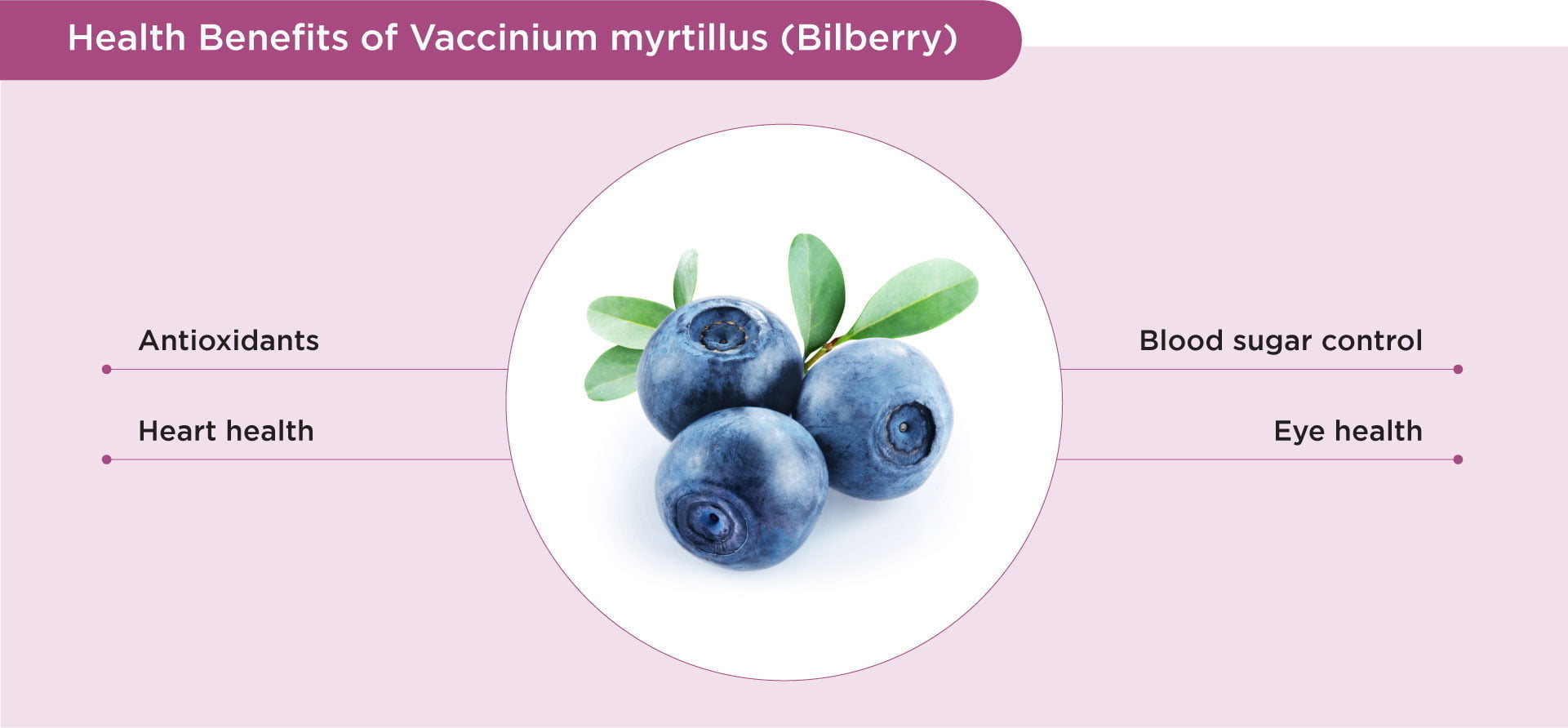
Bilberries (Vaccinium myrtillus) are tiny, blue fruits indigenous to Northern Europe.
Used medicinally as far back as the Middle Ages, their juice was also traditionally employed to dye fabrics and paper.
Below are 9 scientifically supported emerging health advantages linked to bilberries.
1. Nutrient-dense
Like many berries, bilberries are packed with nutrients.
They resemble blueberries nutritionally and are often called European blueberries, as they belong to the same botanical family as that familiar fruit.
Consequently, bilberries typically provide roughly 85 calories, about 15 grams of natural sugar, and 4 grams of fiber per cup (148 grams).
Similar to blueberries, they likely consist of around 85% water and supply appreciable amounts of manganese and vitamins C and K.
2. Loaded with beneficial plant compounds
Bilberries are abundant in antioxidants—plant-derived compounds that help shield your body from damage and disease.
Studies indicate that berries, including blueberries, rank among foods highest in antioxidants. Given their close relation to blueberries, bilberries are likely to share these traits.
Bilberries contain vitamin C and phenolic acids and are an especially rich source of anthocyanins—the potent flavonoid antioxidants that give red, purple, and blue produce their vivid hues.
Anthocyanins are believed to drive many of the health-promoting effects of these berries.
3. Potential to support vision
Bilberries are best known for claims that they enhance vision, particularly in low light.
A few small trials examined their impact on night vision but determined the evidence is not strong.
Still, bilberries might help eyesight in other ways.
A 2023 pilot study reported that participants with dry eye syndrome who consumed a combination of bilberry extract and fish oil experienced notable improvement after three months.
More research is necessary to confirm these potential vision benefits.
4. May reduce inflammation
Bilberries may help combat inflammation, a factor implicated in many chronic illnesses.
This action is likely related to their anthocyanin content—antioxidants that also possess anti-inflammatory effects.
Evidence from studies indicates bilberry consumption lowers inflammatory markers in most clinical trials involving metabolic disorders, suggesting they could help prevent and treat chronic inflammatory conditions.
One trial with 24 participants showed preliminary improvements in severe dry eye symptoms after three months of bilberry extract and fish oil supplementation.
However, further research is required to substantiate these findings.
5. May help lower blood sugar
Bilberry extract seems to reduce HbA1c as well as total and LDL cholesterol.
The anthocyanins in bilberries are primarily linked with decreased oxidative stress and modulation of the gut microbiome.
As powerful antioxidants, anthocyanins play a significant part in preventing metabolic disorders and type 2 diabetes.
An 8-week trial found that a diet high in fresh bilberries boosted insulin secretion in adults with metabolic syndrome, a cluster of conditions that raises the risk for type 2 diabetes, stroke, and heart disease.
Still, more human trials are necessary before firm conclusions can be reached.
6. May support heart health
Bilberries may be beneficial for cardiovascular health. Laboratory studies suggest the particular anthocyanin profile in bilberries could help reduce blood pressure.
In one 8-week study, 35 participants who consumed a daily blend of various berries, including bilberries, experienced improved platelet function, reduced blood pressure, and increased HDL (good) cholesterol—markers associated with better heart health.
Growing evidence shows berry anthocyanins may protect eyesight, inhibit lipid peroxidation, offer anti-cardiovascular disease effects, and help regulate blood sugar.
Nevertheless, additional studies are needed to confirm these cardiovascular benefits.
7–9. Additional possible benefits
Bilberries may also provide these extra health effects:
- Potential cognitive benefits.Powdered bilberry supplements are associated with improvements in long-term and working memory among older adults.
- Possible antimicrobial action.Animal research indicates bilberries may exert antimicrobial effects against harmful bacteria like Salmonella and Staphylococcus aureus.
- May ease ulcerative colitis symptoms.In a study of 13 people, daily bilberry supplementation reduced chronic inflammation of the colon and rectum in those with ulcerative colitis.
Remember that these trials were small and some lacked placebo controls, making it hard to be sure the bilberry products caused the observed improvements. More rigorous research is needed.
How to include bilberries in your meals
There are many simple ways to incorporate bilberries into your diet.
They taste similar to blueberries but often a bit more intense. Enjoy them fresh or dried, alone, or anywhere you might use blueberries.
Bilberries work well in pancakes, muffins, and other baked goods. Add them to smoothies, oatmeal, salads, or yogurt parfaits.
They can also be made into jam, or mashed as a quick spread for toast.
Bilberry supplements are another option and are available as drops, powders, tablets, or capsules in health shops and online.
However, whole bilberries may be preferable because they likely deliver a wider range of nutrients than most supplements.
Dosage considerations and possible adverse effects
When eaten in typical food amounts, bilberries are generally safe for most people.
But higher doses found in supplements could pose issues, particularly with prolonged use.
Bilberries can affect platelet aggregation and may increase bleeding risk when combined with anticoagulants such as warfarin. Speak with your healthcare provider because the vitamin K in bilberries can interact with certain drugs.
Bilberry supplements may not be appropriate for children or for pregnant or breastfeeding women, and they may interfere with some medications—consult a healthcare professional before use.
Although bilberry leaf tea is sometimes promoted as an herbal remedy, the leaves are considered toxic and experts advise against their use.
Because studies vary widely and dosages differ, identifying an optimal dose is difficult. Most human research has used amounts ranging from 50 grams of fresh bilberries to 500 mg of bilberry extract.
The takeaway
Bilberries are small European relatives of blueberries that are rich in nutrients and beneficial compounds.
They have been linked to lowered inflammation and blood sugar, and potential improvements in vision and cardiovascular health. They may also support cognition, have antibacterial properties, and reduce ulcerative colitis symptoms.
Like other berries, bilberries make a nutritious addition to a balanced diet.























Leave a Reply
You must be logged in to post a comment.