

This visual disorder arises from a minor misalignment of the eyes, which can produce symptoms like dizziness and unclear vision. Management options include specialized prism lenses and structured vision therapy.
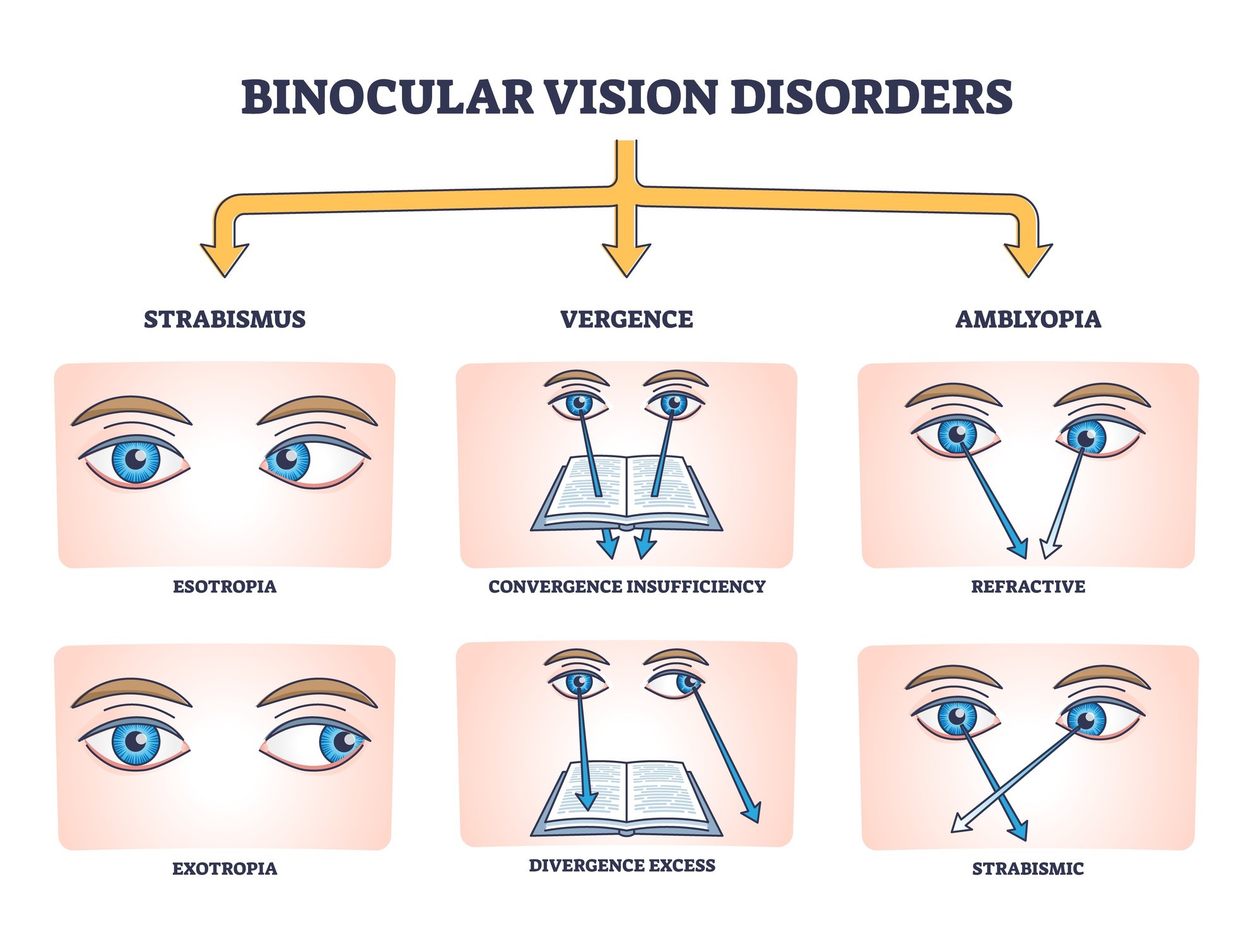
Binocular vision dysfunction (BVD) occurs when the eyes are slightly out of alignment, making coordinated binocular viewing difficult and preventing the brain from receiving a clear, unified image.
That misalignment can produce a range of complaints, including dizziness, trouble with reading, headaches, eye fatigue, blurred sight, and reduced focus and concentration.
Because BVD presents with such a diverse set of symptoms, it’s frequently misattributed to other disorders. When properly identified, however, treatments such as custom prism eyewear and guided vision therapy can be effective.
This article describes BVD, what can cause it, how it’s diagnosed, and the treatment options available.
What is BVD?
BVD is a disorder of ocular alignment.
When the eyes are not positioned correctly relative to one another, they cannot deliver a single, sharp image to the brain. This disruption can produce numerous symptoms and significantly impact daily functioning.
Learn more about how your eyes collaborate and perceive depth by reading about depth perception.
What leads to this visual disorder?
Multiple causes can underlie BVD. In some cases, it stems from a neurological problem or brain injury that affects the visual pathways. Examples include:
- concussion
- stroke
- traumatic brain injury
- multiple sclerosis
BVD may also be due to anatomical or muscular differences around the eyes and face. For instance, if one eye sits slightly higher on the face than the other, that vertical misalignment can produce BVD.
Such differences can remain unnoticed for years, but as eye muscles weaken with age, symptomatic BVD may emerge.
What symptoms does BVD cause?
BVD generates a broad set of symptoms impacting visual function and other daily activities.
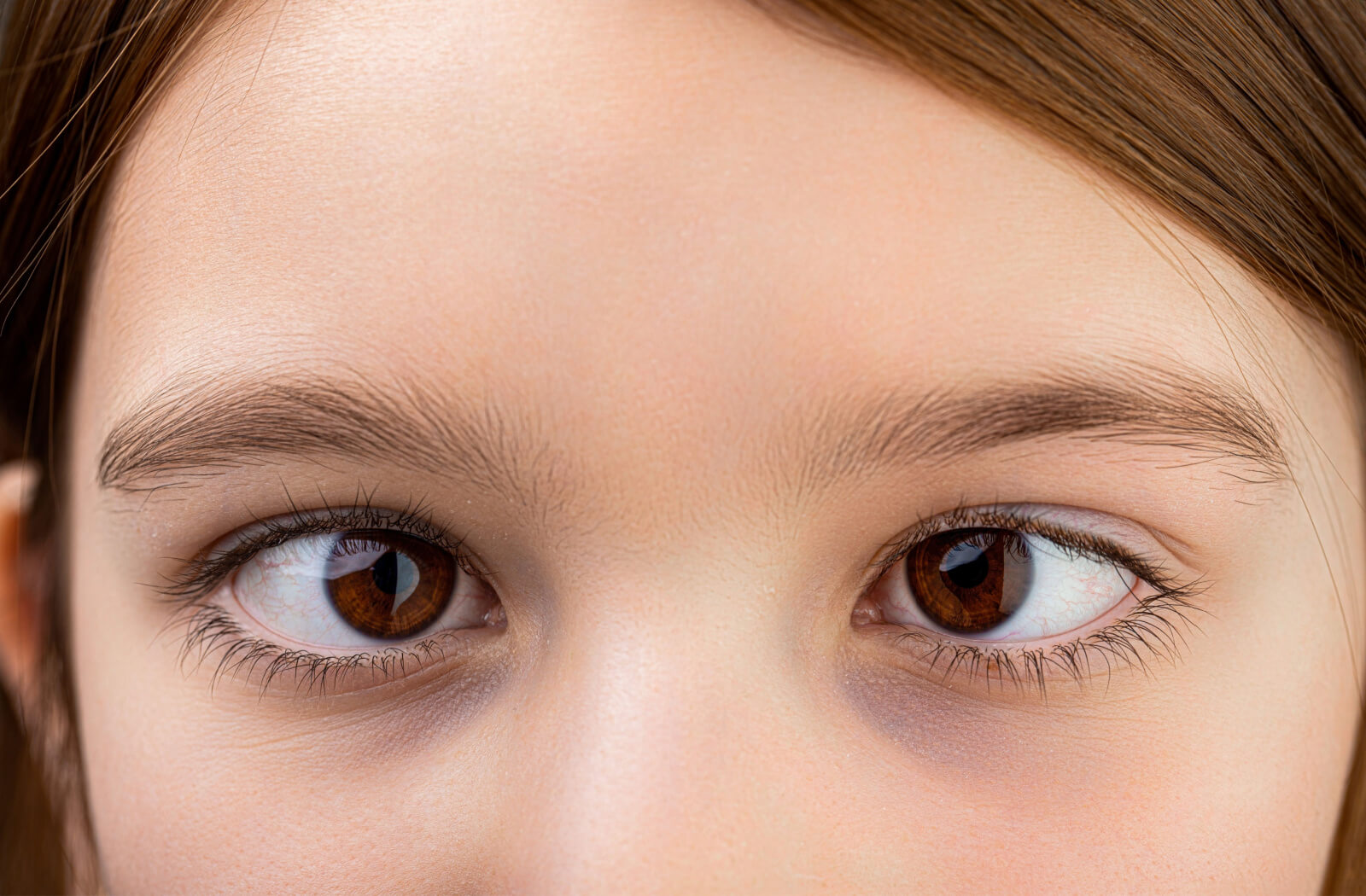
Common visual signs include:
- blurred eyesight
- worse blurriness in low light
- sensitivity to light
- trouble reading text on pages or screens
- difficulty estimating distances between objects
- poor hand-eye coordination
- frequent squinting
- glares or halos in dim conditions
- eye strain
- ocular discomfort
- double vision
Physical manifestations can include:
- neck, shoulder, and back discomfort
- recurrent headaches
- tilting the head
- difficulty walking straight or remaining centered in a corridor or queue
- bumping into walls, shelves, or fixtures while walking
- balance problems
- motion sickness
- lightheaded feelings
- dizziness
- nausea
- sinus-like pressure
Reading and cognitive challenges may present as:
- trouble maintaining attention and concentration
- fatigue during reading
- easy distraction during tasks involving reading or screens
- reduced reading comprehension
- perceiving words as moving or floating on the page or screen
- skipping words or whole lines when reading
- using a finger as a guide while reading
BVD can also produce anxiety-related symptoms such as:
- diminished confidence in handling tasks
- fear and anxiety around visually demanding activities like driving
- avoidance of situations that provoke distress
- heightened general anxiety
- panic attacks in crowded environments
- strong discomfort with unfamiliar places or wide open spaces
How is BVD diagnosed?
Diagnosis of BVD follows a comprehensive eye examination.

During the visit, an eye care professional will perform in-office tests to assess how well your eyes coordinate. These assessments resemble standard eye exam components but typically require additional time and specialized measures.
The evaluation will also cover questions about your symptoms, medical history, medications, and any prior visual problems.
What other conditions are often confused with BVD?
Because BVD’s symptoms overlap with many disorders, it is frequently misdiagnosed before the correct diagnosis is made.
Conditions commonly confused with BVD include:
- ADHD
- dyslexia
- developmental and learning disorders
- migraine
- chronic fatigue syndrome
- anxiety
- agoraphobia
- spinal misalignment
- Meniere’s disease
- benign paroxysmal positional vertigo
- temporomandibular joint (TMJ) disorders
How is BVD treated?
Treatment can control BVD and, for many patients, resolve symptoms.
The standard approach includes a combination of vision therapy and prism lenses. Prism lenses are incorporated into eyeglasses and work by altering the path of incoming light to correct the misalignment.
These lenses can reduce double vision and eye fatigue and help alleviate headaches, reading problems, and other related symptoms.
Vision therapy is a customized program designed to improve the communication between the eyes and the brain. Comparable to physical or speech therapy, it is individualized for each patient. Supervised visual exercises are performed during sessions, with specific goals set and progress monitored throughout the program.
Takeaway
BVD is a visual disorder caused by misalignment of the eyes. This mispositioning impairs binocular cooperation and diminishes the brain’s ability to form a clear image.
Causes include neurological conditions affecting the visual system, such as stroke or multiple sclerosis, as well as structural or muscular misalignment of the eyes.
BVD produces a broad spectrum of symptoms that can disrupt daily life, including anxiety, dizziness, headaches, reading difficulties, blurred vision, and trouble concentrating. Because these symptoms overlap with many other conditions, BVD may be misdiagnosed initially.
Once accurately identified, BVD can be managed and often resolved with treatments like custom prism glasses and individualized vision therapy.




















Leave a Reply
You must be logged in to post a comment.