

Bitter melon is abundant in vitamin C and other vital nutrients. It also contains bioactive compounds that may offer health advantages.
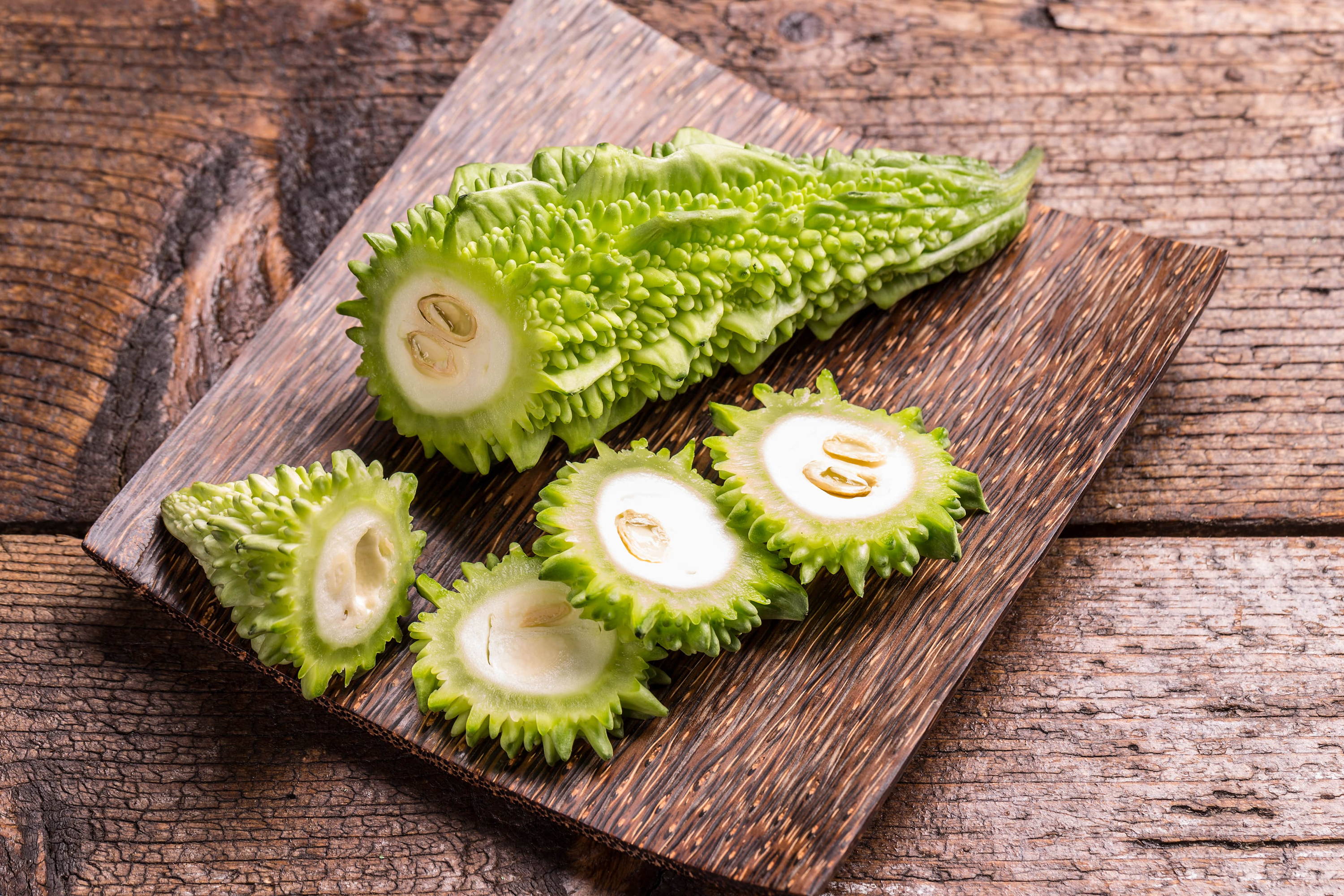
Bitter melon — sometimes called bitter gourd or Momordica charantia — is a tropical climbing plant in the gourd family, closely related to zucchini, squash, pumpkin, and cucumber.
It’s grown worldwide for its edible fruit, which serves as a common ingredient in many Asian culinary traditions.
The Chinese cultivar is usually long, pale green, and dotted with wart-like protuberances. The Indian type is slimmer with tapered ends and a rough, spiky rind.
Beyond its distinctive bitter taste and appearance, bitter melon has been connected to a variety of potential health benefits.
1. Delivers several key nutrients
Bitter melon offers a useful amount of several essential nutrients.
Per 100 grams of raw bitter melon provides:
- Calories: 21
- Carbs: 4 grams
- Fiber: 2 grams
- Vitamin C: 99% of the Daily Value (DV)
- Vitamin A: 2% of the DV
- Iron: 4% of the DV
Bitter melon is notably high in vitamin C, a key micronutrient involved in disease prevention, bone health, and wound repair.
It also contains vitamin A, a fat-soluble vitamin that supports skin integrity and good vision.
Additionally, bitter melon is a source of calcium, potassium, zinc, magnesium, and phosphorus.
The fruit provides catechin, gallic acid, epicatechin, and chlorogenic acid — potent antioxidant molecules that may help shield cells from damage.
Along with being low in calories, it supplies fiber, which is important for healthy digestion.
2. May help lower blood sugar
Because of its medicinal reputation, bitter melon has been used traditionally in many cultures to help manage diabetes-related issues. Recently, some studies indicate it may assist in blood sugar control.
An earlier trial involving 20 adults with diabetes reported that 2,000 mg daily of bitter melon lowered hemoglobin A1C over 12 weeks.
Bitter melon is believed to enhance how tissues use glucose and to stimulate insulin secretion, the hormone that regulates blood glucose.
However, evidence remains limited, and larger, higher-quality trials are necessary to clarify how bitter melon may affect blood sugar in broader populations.
3. Might possess anticancer qualities
Research indicates bitter melon contains certain constituents with potential anticancer effects.
For instance, an older in vitro study found that bitter melon extract could kill cancer cells from the stomach, colon, lung, and nasopharynx (the region behind the nose and above the back of the throat).
Another combined lab and animal study reported similar results, showing bitter melon extract inhibited breast cancer cell growth and spread while encouraging cancer cell death.
Remember these experiments were conducted in laboratory settings using concentrated extracts on isolated cells.
More research is required to determine how typical dietary consumption of bitter melon might influence cancer development in humans.
4. Could reduce cholesterol
High cholesterol contributes to plaque formation in arteries, making the heart work harder and raising heart disease risk.
One study reported that a water-soluble bitter melon extract significantly lowered LDL (“bad”) cholesterol compared with a placebo. However, a 2020 animal study did not find that bitter melon supplements affected cholesterol in mice.
Therefore, additional research is necessary to confirm whether these favorable outcomes are consistent.
5. Supplies fiber
Bitter melon can be a useful option for weight-loss diets since it’s low in calories and supplies beneficial nutrients like fiber.
Fiber moves through the digestive system slowly, helping you feel fuller for longer and curbing hunger and appetite.
Bitter melon also has mild laxative effects, which may help ease constipation and support regular digestion.
6. Flexible and tasty
Bitter melon’s pronounced flavor pairs well in a variety of preparations.
To prepare it, wash the fruit and slice it lengthwise. Remove the seeds with a spoon, then cut the flesh into thin pieces.
Bitter melon can be eaten raw or cooked in many recipes.
It can be stir-fried, steamed, baked, or hollowed out and stuffed with fillings.
Here are some easy ways to introduce bitter melon into meals:
- Juice bitter melon with other fruits and vegetables for a nutrient-dense drink.
- Add bitter melon to stir-fries to boost a dish’s nutritional profile.
- Sauté bitter melon with tomatoes, garlic, and onions, then mix into scrambled eggs.
- Toss seedless bitter melon with a dressing and serve as a savory salad.
- Stuff with ground meat and vegetables, then top with a black bean sauce.

Possible side effects
When consumed in moderation, bitter melon is a wholesome, nutrient-rich food. However, large amounts or concentrated supplements may produce adverse effects.
It’s not advised for pregnant women, since its long-term safety during pregnancy hasn’t been thoroughly evaluated. It also shouldn’t be given to children.
Because bitter melon can lower blood sugar, consult a healthcare provider before trying it if you use glucose-lowering medications.
Also consult a medical professional before using bitter melon supplements if you have existing health conditions or are taking medications, and follow dosing guidance.
Keep in mind that many clinical studies use high-dose bitter melon preparations; it’s unclear whether eating the vegetable in typical dietary amounts produces the same effects.
The bottom line
Bitter melon is a gourd family fruit with a unique look and bitter taste.
It’s rich in several important nutrients and has been associated with various potential health benefits, such as improved blood sugar control and reduced cholesterol.
People who are pregnant or taking certain medications—especially blood sugar-lowering drugs—should consult a healthcare provider before consuming large amounts or using supplements.
In moderation, bitter melon can be a flavorful, nutritious, and simple addition to a balanced, healthy diet.























Leave a Reply
You must be logged in to post a comment.