
COVID-19 is an illness caused by the novel coronavirus SARS-CoV-2. It’s commonly linked with respiratory symptoms like coughing and breathlessness, but the infection can affect many other systems. Digestive, neurological, and cardiovascular issues have all been reported.
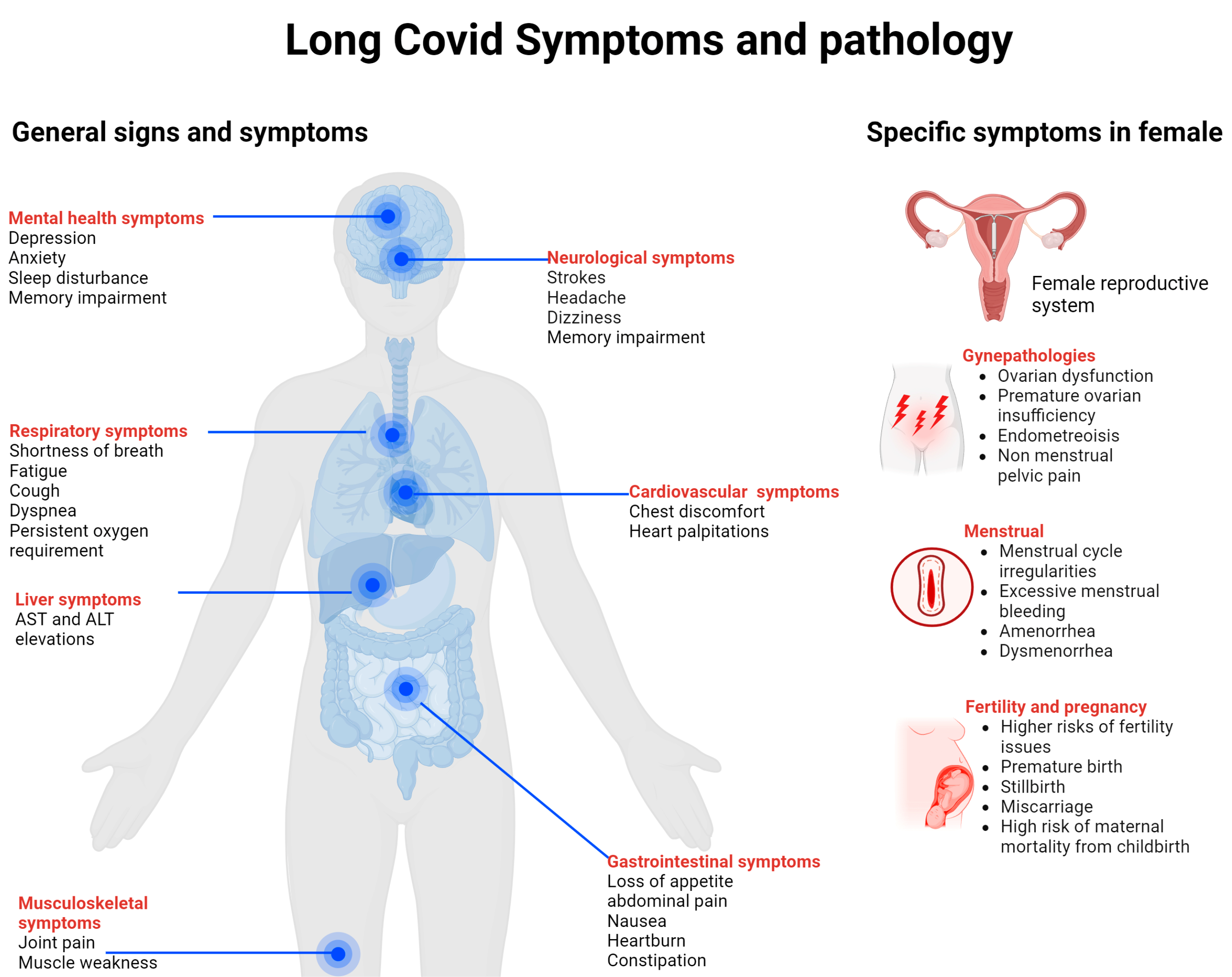
There’s growing anecdotal and emerging research evidence that COVID-19 might also influence menstrual cycles.
Here’s a summary of what current data and reports indicate.
Can COVID-19 alter your menstrual cycle?
During the pandemic, numerous personal accounts described menstrual changes following COVID-19 infection. Reported alterations have included:
- periods that are lighter than usual
- periods that are heavier than usual
- irregular timing
- missed cycles
Research on how the infection affects menstruation is still limited. The illness itself could place physiological stress on the body or disturb hormone balance, which might manifest as changes to bleeding patterns.
A 2020 study suggested the uterine lining (endometrium) is unlikely to be directly invaded by SARS-CoV-2, because it expresses low amounts of ACE2, the receptor the virus uses, across the menstrual cycle.
So, what do we actually know about COVID-19 and periods? A 2021 study examined data from 177 menstruating people who had COVID-19. Below are the key findings.
Findings on COVID-19 and menstrual changes
Alterations in menstrual flow were observed in 45 of 177 participants (about 25 percent). Among those 45, 36 reported substantially lighter bleeding and 9 reported substantially heavier bleeding.
Participants with severe COVID-19 were more likely to experience cycles longer than 37 days. Specifically, 34 percent of those with severe disease had prolonged cycles versus 19 percent with mild disease.
Comparing cycle length during infection to each person’s usual cycle, researchers found 50 of 177 participants (28 percent) had changes. Most had longer-than-normal cycles while a minority had shorter cycles.
Sex hormone levels (including follicle-stimulating hormone, estrogen, and progesterone) were measured in 91 people with COVID-19 and compared to 91 without the infection; no significant differences were detected.
Finally, 1 to 2 months after infection, 84 percent of participants had returned to their typical menstrual flow and 99 percent had returned to their usual cycle length.
Summary
Key takeaways from the study:
- Some people may notice temporary changes in menstrual bleeding and cycle length after COVID-19 infection.
- The most frequently reported differences were lighter-than-normal bleeding and lengthened cycles.
- Measured sex hormone concentrations did not differ meaningfully between infected and uninfected groups.
- Most people went back to their normal menstrual pattern within 1 to 2 months after infection.
See this resource for a comprehensive list of COVID-19 symptoms and how they compare with other illnesses.
Can the COVID-19 vaccine change your period?
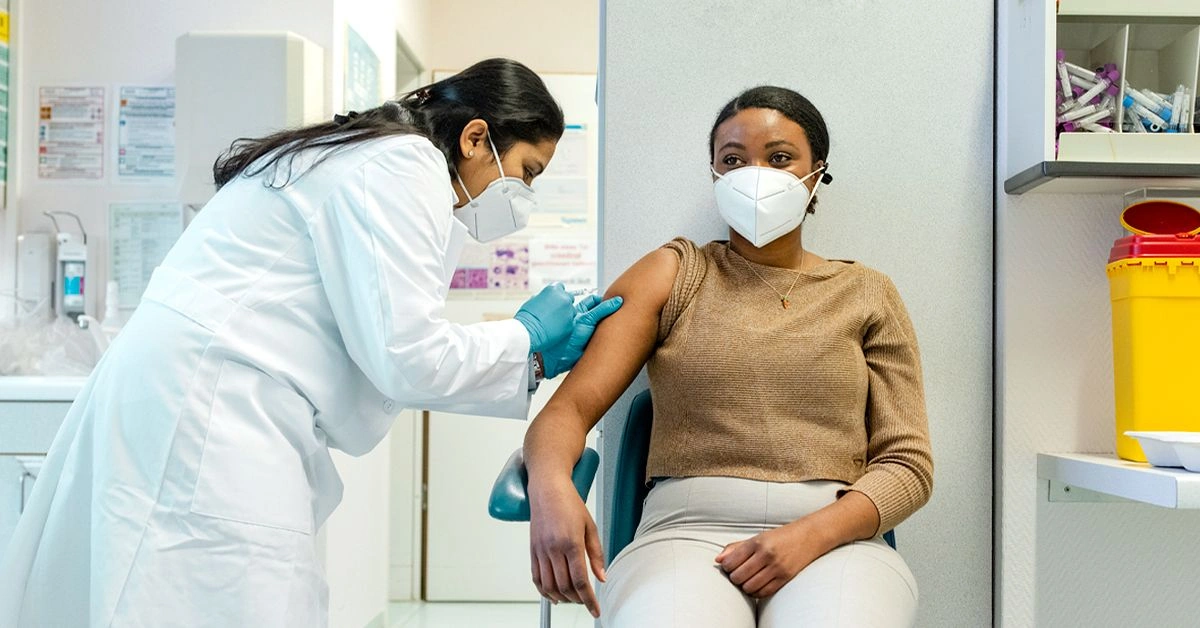
Changes to menstruation have also been reported following COVID-19 vaccination. However, direct causal links between vaccines and menstrual changes haven’t been firmly established, and research in this area is still sparse.
Most information to date is anecdotal, commonly describing heavier or irregular periods after vaccination. These effects seem to be short-lived for most people, with cycles returning to normal within a few weeks.
That said, the UK’s Medicines and Healthcare Products Regulatory Agency (MHRA) reported 34,633 instances of menstrual and vaginal bleeding reactions associated with a COVID-19 vaccine in Great Britain between December 8, 2020 and September 8, 2021.
For context, about 47.8 million vaccine doses were administered to women in the UK during that period.
Reported events included:
- heavier-than-normal menstrual bleeding
- delayed periods
- bleeding between cycles
- postmenopausal vaginal bleeding
More reports came from recipients of the Pfizer-BioNTech and AstraZeneca vaccines (the latter not authorized in the U.S.) than from those who’d had the Moderna vaccine. The MHRA did not publish data for the Johnson & Johnson Janssen vaccine.
The MHRA concluded the number of reports is low relative to the population who menstruate and received vaccines, and relative to the baseline frequency of menstrual disorders. They also stated there’s no evidence vaccines affect fertility.
A September 2021 BMJ editorial proposed a possible link between vaccination and menstrual changes and called for more study.
The editorial’s author pointed out limitations in how the MHRA gathers data, making causal conclusions difficult. Because menstrual changes have been reported after different vaccine types, if a connection exists it might relate to the immune response to vaccination broadly rather than a specific vaccine component.
More research is underway. In 2021, the U.S. NIH provided $1.67 million across five institutions to investigate possible links between COVID-19 vaccination and changes in menstruation.
It’s also important to remember many other factors can alter menstrual cycles.
Common vaccine side effects
After a COVID-19 vaccine, you may experience:
- soreness, redness, or swelling where the shot was given
- tiredness
- muscle aches
- headache
- fever
- chills
- nausea
Pfizer-BioNTech and Moderna vaccines require two doses for full protection; these side effects are often stronger after the second dose, which reflects immune activation.
Rarely, severe allergic reactions can occur shortly after vaccination, so recipients are observed for a brief period afterward.
Serious clotting events have been reported very rarely after the Johnson & Johnson vaccine, primarily affecting women under 50 in the weeks after immunization. The CDC and FDA estimate this risk is very low.
What else can change your period after an illness?
Menstrual irregularities affect an estimated 5 to 35.6 percent of menstruating people, depending on demographics and region. Irregularities can include:
- inconsistent cycle timing
- heavy bleeding
- lighter bleeding
- skipped periods
Many health conditions, infections, or medications can also change your period. Below are common patterns and their possible causes.
Irregular cycles
Irregular periods mean cycles that are shorter or longer than typical. They are often (but not always) lighter and can be caused by:
- polycystic ovary syndrome (PCOS)
- pelvic inflammatory disease (PID)
- obesity
- thyroid dysfunction
- diabetes
- eating disorders
- high physical or emotional stress
- excessive exercise
- intrauterine devices (IUDs) or hormonal contraception
- certain drugs, including some for epilepsy or mental health
Heavy bleeding
Per the Office on Women’s Health, heavy periods affect about 1 in 5 women in the U.S. annually. Potential causes include:
- ovulatory dysfunction
- uterine fibroids
- uterine polyps
- endometriosis
- adenomyosis
- pregnancy-related complications
- endometrial or cervical cancer
- obesity
- thyroid problems
- bleeding disorders
- medications such as anticoagulants
Missed periods
Absence of periods is called amenorrhea, typically defined as missing three consecutive cycles. Possible causes include:
- pregnancy or breastfeeding
- menopause
- polycystic ovary syndrome (PCOS)
- thyroid disease
- eating disorders
- high physical or psychological stress
- excessive exercise
- significant weight loss or gain
- IUDs or hormonal birth control
- certain medications, including some antidepressants, blood pressure drugs, and chemotherapy
Can pandemic-related stress change your period?
If your cycle has shifted recently, pandemic stress could be a contributor. Many pandemic-related issues increase stress, such as worries about:
- Your own health and that of family members
- Social isolation from distancing or quarantine
- Childcare or supporting children with remote schooling
- Job security
- Maintaining a healthy weight
- Increased use of alcohol or tobacco
Higher stress levels can lead to irregular, lighter, or missed periods, and studies support this link.
A 2015 study found an association between high stress and irregular cycles in students. A 2018 study reported high stress correlated with missed periods, painful menses, and PMS.
Preliminary data from elite athletes during the pandemic found one in five observed menstrual changes. While shifts in training likely contributed, researchers believe psychological stress also played a role (early results).
Who should you contact if your period changes after COVID-19 or vaccination?
If your period shifts after infection or vaccination, try not to panic—many changes are temporary and resolve in a few weeks.
If alterations persist, seek help. Resources include:
- Your primary healthcare provider
- An OB-GYN
- The CDC’s V-safe app
- The Vaccine Adverse Event Reporting System (VAERS)
Dr. Kathryn Clancy at the University of Illinois-Champaign is researching vaccination effects on menstruation; you can take part in her secure survey here.
Bottom line
COVID-19 infection can potentially cause temporary changes in menstrual bleeding and cycle length, though the exact mechanisms remain unclear. The most commonly reported effects are lighter bleeding and longer cycles.
COVID-19 vaccination has also been linked to menstrual changes in anecdotal reports; these are typically transient, and definitive scientific proof of a causal relationship is still being developed.
Many other conditions and stress (physical or emotional) can influence periods. Consult a healthcare provider or OB-GYN if you’re worried about lasting menstrual changes after COVID-19 or vaccination.





















Leave a Reply
You must be logged in to post a comment.