Foot Health
Foot Health provides tips on maintaining healthy feet, covering topics like proper footwear, foot care, and common conditions such as bunions, corns, and plantar fasciitis.

Try One of These 10 Home Remedies for Toenail Fungus
You may be able to manage toenail fungus at home using certain essential oils and other products known for their antimicrobial and antifungal properties, such as Vicks VapoRub. Toenail fungus, medically referred to as onychomycosis, is a widespread fungal infection affecting the toenails. The most visible sign is a white, brown, or yellow discoloration on one or more nails. Over time, the infection can spread, leading to thickened, brittle, or…
What Exactly Is Morton’s Toe (Longer Second Toe)?
Morton’s toe is a frequently seen foot structure in which the second toe extends beyond the first (big) toe. Because this variation can influence how body weight is distributed across the foot, some individuals may develop discomfort over time. Fortunately, various home-based measures and supportive therapies can help manage symptoms. If you’ve ever wondered, What does Morton’s toe look like? it typically appears as a second toe that is visibly…
Toe Stretches to Try Right Now
Stretching your toes helps enhance circulation, which may ease discomfort and reduce swelling. Keeping the toes loose and mobile can also lower your chances of strain or injury over time. If you’re wondering How to fix sideways big toe?, incorporating targeted toe stretches and strengthening exercises is often one of the first conservative steps to improve alignment and relieve pressure. Many toe exercises focus on boosting flexibility and range of…
How to Identify and Treat Seed Corns on Feet
Corns are localized patches of thickened skin that form on toes and feet as a result of repeated rubbing or pressure. Several things can increase your risk of developing corns, including: repetitive motions or activities improperly fitting footwear foot deformities such as bunions or hammer toe Corns come in several varieties, such as: hard corns soft corns seed corns Seed corns are small corns that appear on the soles of…
Could Your Painful Pinky Toe Be Broken, or Is It Something Else?
You should seek medical attention if you have severe pain or marked swelling in your pinky toe, can’t bear any weight on it, or notice it’s misaligned. Milder issues may be managed at home or with nonprescription remedies. Although your pinky toe is small, an injury to it can produce significant discomfort. Pain in the fifth toe is common and can stem from many sources, such as a fracture or…

About Ankle Bursitis: What It Is and What to Do
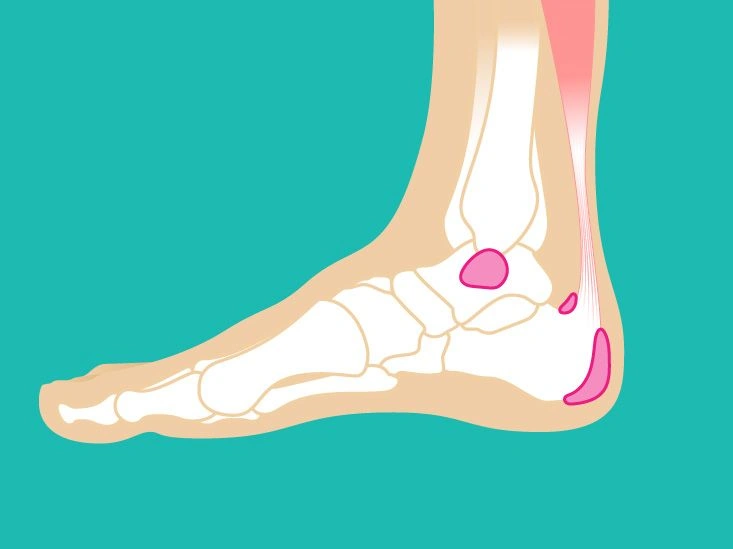
Ankle bursitis occurs when a bursa — a tiny fluid-filled sac in the ankle — becomes irritated. This can lead to swelling, discomfort, and limping. Initial care often includes ice, rest, and pain medications. (img by Desert Podiatric Medical Specialists) Your ankle is built from the junction of four bones. The ankle bone itself is known as the talus. Picture a sneaker: the talus would sit near the upper part…
14 Signs and Symptoms of Type 2 Diabetes
Key takeaways The most common early signs of type 2 diabetes are frequent urination, extreme thirst, and persistent hunger. If you have type 2 diabetes, you might experience tingling or numbness in your hands, fingers, feet, and toes. This is a sign of nerve damage, or diabetic neuropathy. Early diagnosis and swift treatment can significantly reduce the risk of later complications. Type 2 diabetes is a widespread metabolic disorder in…

Pictures of Diabetic Neuropathy
What is diabetic peripheral neuropathy (DPN)? The Foundation for Peripheral Neuropathy estimates that approximately 40 million Americans live with some type of peripheral neuropathy. Among them, about 20 million cases are attributed to diabetic peripheral neuropathy (DPN), making it the most prevalent form of peripheral neuropathy. DPN primarily damages the nerves in the hands and feet and is closely associated with the early changes often seen in Diabetic feet pictures…
Causes of Sharp Toe Pain By Location, Plus Symptoms that Need Immediate Treatment
Pain in your big toe can often be managed at home, but certain warning signs — such as pus, significant swelling, or warmth — may signal a condition that requires prompt medical care. Big toe joint pain out of nowhere can feel alarming, especially if you wake up with sharp discomfort and no clear injury. In some cases, the pain develops gradually; in others, it strikes suddenly. Many everyday foot…
What Can Cause Joint Pain in Your Big Toe?
There are many possible reasons you might experience discomfort in your big toe, including swelling, stiffness, and limited range of motion. For some people, Big toe joint pain feels like it needs to crack, creating an uncomfortable pressure or popping sensation that doesn’t fully relieve the discomfort. (img by Healthgrades Health Library) When joint pain develops in the big toe, arthritis is often the first concern. If the symptoms are…