Foot Health
Foot Health provides tips on maintaining healthy feet, covering topics like proper footwear, foot care, and common conditions such as bunions, corns, and plantar fasciitis.

What Is Onychauxis and How Is It Treated?
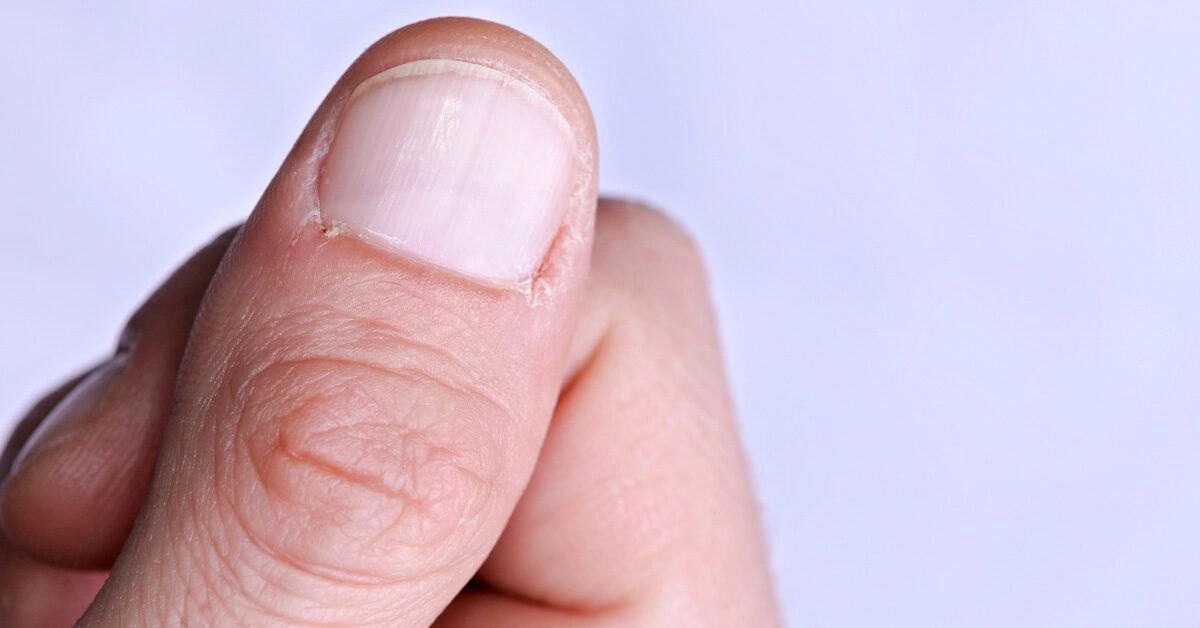
Overview Onychauxis is a nail condition that leads to abnormally thick fingernails or toenails. Gradually, affected nails can curl and take on a white or yellow tint. This thickening may push the nail plate (the area you apply polish to) away from the nail bed. Although toenail fungus can create similar signs, onychauxis is not fungal in origin. That said, having this nail disorder can raise your chance of developing…
How to Prevent Complications from Stepping on a Nail
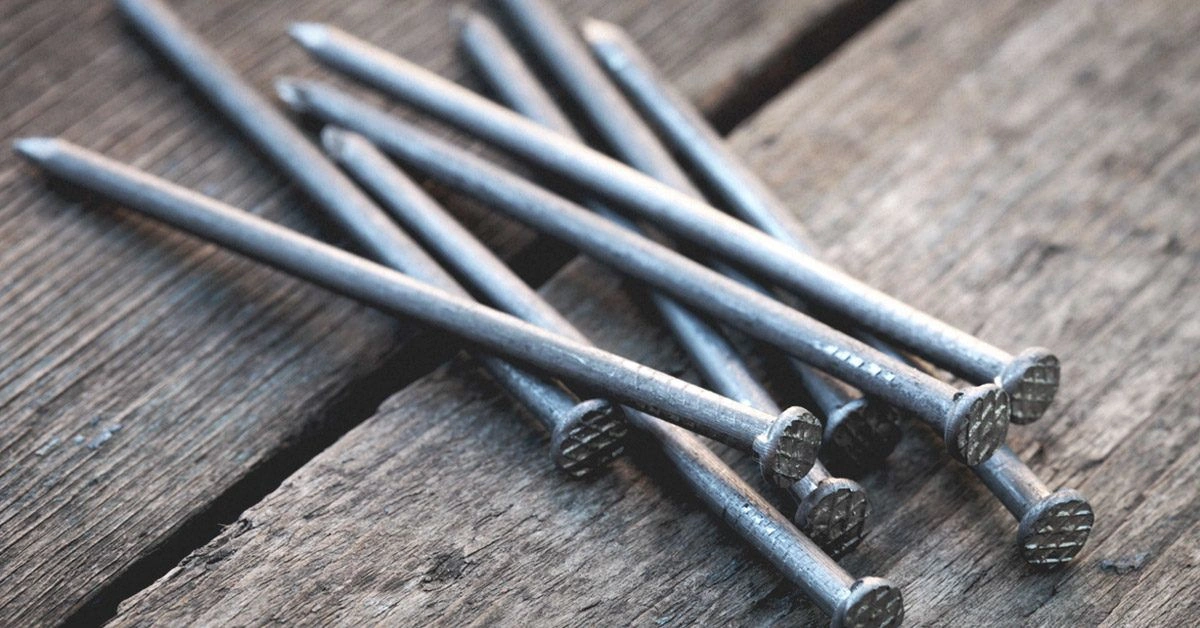
Depending on when you last received a tetanus vaccine, a clinician may advise getting a booster within 48 hours after a nail pierces your skin, particularly if the nail was dirty. Stepping on a nail can be quite painful. Depending on how severe the injury is, the nail may create a deep hole in the sole of your foot. This can make standing or walking uncomfortable for several days. (img…
What Is the Average Shoe Size for Men?
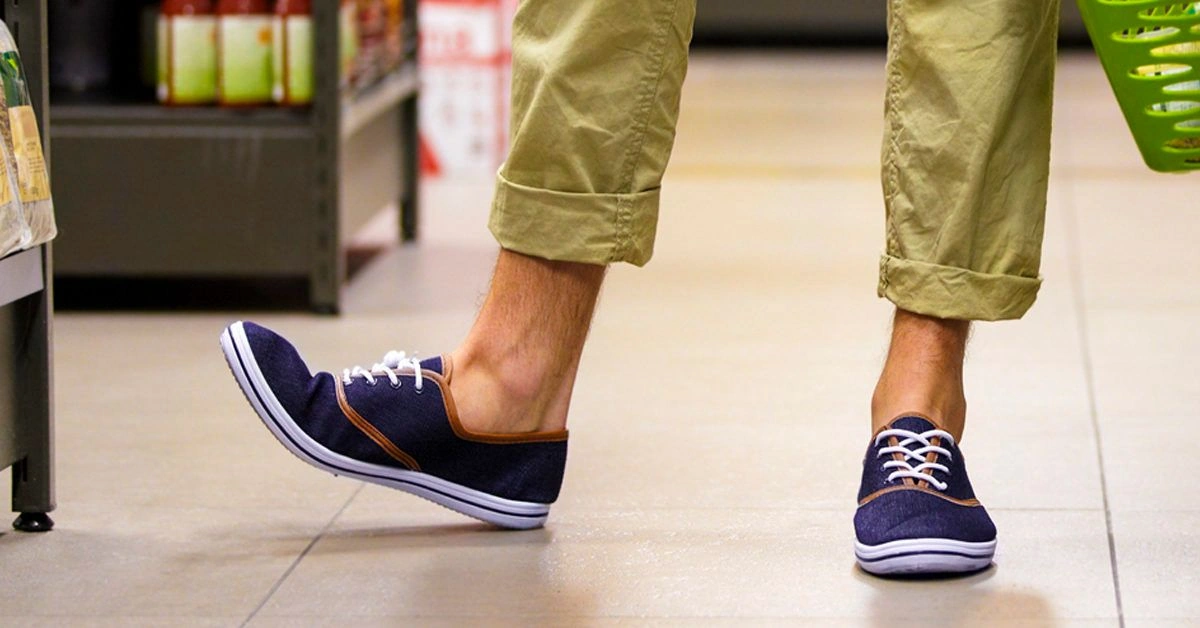
Although there’s no official nationwide statistic for men’s average shoe size, it generally corresponds with height and is often estimated to fall between sizes 10 and 11. Several elements influence shoe size, including: age body weight foot disorders heredity While formal data on the typical men’s shoe size in the United States is lacking, observational reports suggest an average around size 10.5 with a medium (D) width. (img by The…
Can Your Foot Shape Reveal Your Personality or Your Ancestry? Learn More
As DNA-focused genealogy services continue to grow, so does our interest in uncovering more about our roots. MIT Technology Review noted that almost 26 million Americans used at-home ancestry kits last year. That curiosity about genetic origins has many people wondering whether ancestry shows up elsewhere on the body. For instance, is there any accuracy to claims that you can infer your ancestry by examining your feet? Some ancestry sites…
Duck-Footed: Out-Toeing, or the Opposite of Pigeon-Toed
Some toddlers adopt a duck-footed walk as they gain confidence in their new skill — this is also called out-toeing. In this gait, the toes point outward instead of straight ahead, producing a waddling appearance. (img by Zac Cupples) Out-toeing can also appear for the first time during adolescence, the teen years, or in adulthood. It’s not always worrisome, but it helps to distinguish between a normal duck-footed gait and…

Massage for Plantar Fasciitis
Plantar fasciitis is a frequent source of heel and foot discomfort. Luckily, stretches and self-massage you can perform at home may ease pain and reduce the likelihood of the issue becoming long-lasting. Below are several suggestions and do-it-yourself massage methods you can try at home. (img by Boulder Therapeutics) Getting started Foot massage should feel pleasant or slightly uncomfortable, but never outright painful. Begin gently and increase the pressure of…
9 Causes of Lump on Top of Foot
Lump on top of your foot If you’ve spotted a lump on the upper part of your foot, you probably did a brief check and wondered about things like: Is it tender? Does it feel soft or firm? Is the skin color different there? Have you recently injured that spot? Several different conditions can produce a bump on the top of your foot. A simple visual and tactile check can…
How to Treat and Prevent Bone Spurs on Your Feet
A bone spur is an extra bony outgrowth that forms where two or more bones meet, typically as the body attempts to repair damage. When a bone spur develops on the top of your foot, it can feel like a firm lump or bump beneath the skin. Your likelihood of developing a bone spur in the foot rises as you age. The effect on daily life varies with severity. Some…
Should You Wear Compression Socks to Bed?
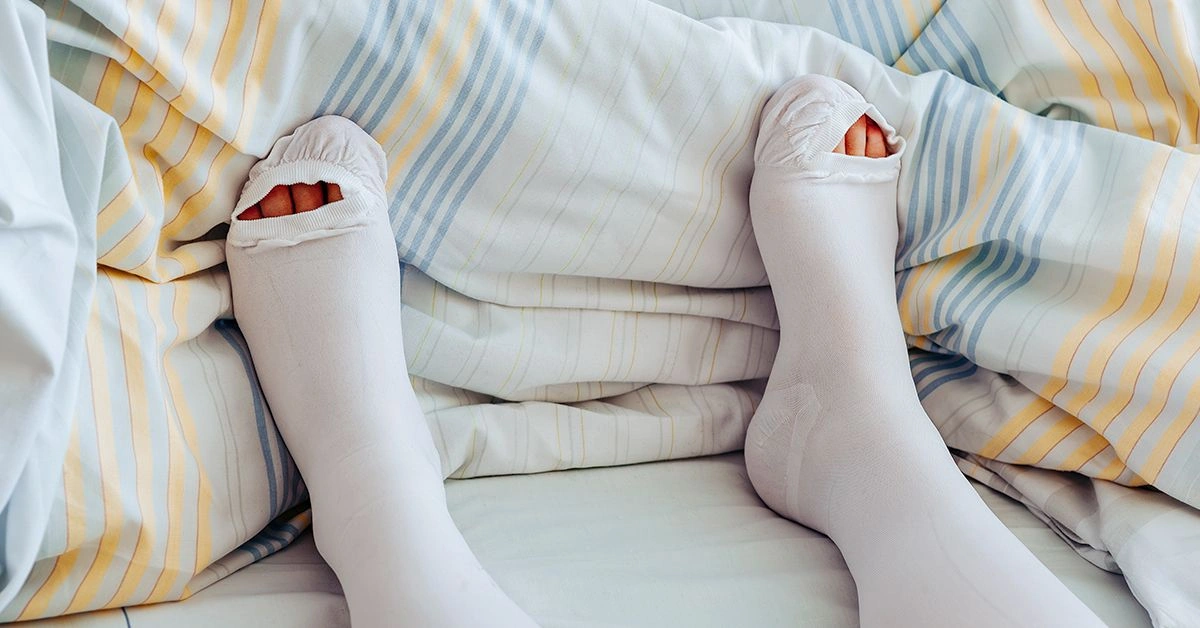
In most situations, clinicians advise taking off compression socks before sleep. However, they may suggest wearing them overnight if you have venous ulcers or are healing after venous surgery. Compression socks are a form of compression therapy that deliver graduated pressure to the legs, which can support improved blood flow and circulation. They’re commonly used to manage conditions such as varicose veins, lymphedema, and deep vein thrombosis. Healthcare professionals typically…
Why Does My Heel Feel Numb and How Do I Treat It?
Overview There are many reasons your heel might feel numb. Most causes are common in both adults and children — for example, sitting with legs crossed for long periods or wearing shoes that are too tight. Some causes are more serious, such as diabetes. If sensation in your foot has diminished, you may not feel light touch on the numb heel. You might also fail to detect temperature changes or…