Signs & Symptoms
Read articles on Signs and Symptoms to help identify early warning signs of health conditions and take timely action for better prevention and care.

What Temperature Kills Bacteria in Water and Food?
Bacteria typically begin to die at 149°F (65°C), yet bringing water to a rolling boil for at least one minute remains a reliable safety measure. The exact temperature required to eliminate bacteria in food varies depending on the specific type of food being prepared and handled. Bacteria are microscopic, single-celled organisms that exist virtually everywhere — in soil, water, on surfaces, and even inside the human body. In fact, experts…

What to Know About Contrast Bath Therapy
Depending on how well you handle temperature extremes, plunging your body into hot water and then shifting to an icy cold bath may feel either refreshing or downright uncomfortable. Contrast hydrotherapy is a technique that alternates between warm and cold water immersion. It has gained popularity among athletes and active individuals who report quicker recovery and reduced soreness after training or competition. But how does 40 degrees celsius water feel…
Hot Tubs and Pregnancy: Safety and Risks
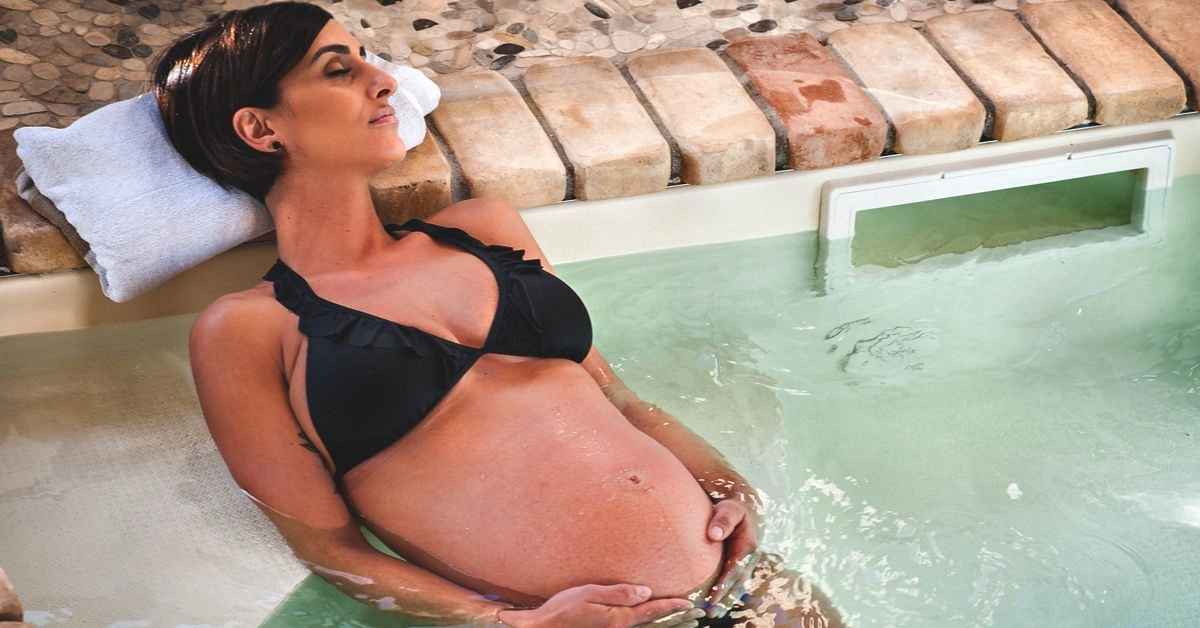
Overview Soaking in a hot tub can feel like the perfect way to unwind after a long day. The comforting warmth of the water helps ease muscle tension, improve circulation, and promote overall relaxation. Because hot tubs are typically designed to accommodate multiple people, they can also offer a pleasant way to spend time with your partner, family, or friends. However, during pregnancy, extra care is necessary. Many expectant mothers…
What’s Causing This Pain Under My Left Breast?
Discomfort beneath your left breast can stem from a wide range of issues — from benign problems like acid reflux to urgent conditions such as a heart attack. A clinician can determine the cause from your symptoms and exam. If you develop sudden, intense pain, get emergency medical help. (img by Prevention) Several important organs reside on the left side of the torso. Directly under and around the left chest…
What’s Causing My Pain Under My Left Armpit?
Pain in the left armpit can arise from allergic responses, infections, or strained muscles. Some more serious origins may present with added warning signs, such as a breast lump or trouble breathing. Your armpit is a complex area containing nerves, blood vessels, and lymph nodes, so discomfort there is relatively common. The severity of this pain can vary from mild to intense and frequently stems from infection, inflammation, or irritation.…
Symptoms of Fever in Adults, Children, and Babies, and When to Seek Help
Many people wonder, Is 30 degrees Celsius hot or cold? In terms of weather, 30°C (86°F) is generally considered hot for most individuals, especially in humid climates. However, when discussing human health, body temperature is a different matter entirely. A normal internal body temperature averages around 98.6°F (37°C), and even small deviations can signal important changes in the body. (img by Space) Fevers typically resolve on their own within a…
Hot and Cold: How to Stay Safe in Extreme Temperatures
Extreme heat and extreme cold can both trigger serious health complications, ranging from mild discomfort to life-threatening emergencies. Taking preventive measures is essential, but it’s equally important to recognize early warning signs and understand how to respond effectively. Spending time outdoors requires preparation for a variety of weather conditions — rainy afternoons, dry heat, sweltering midday sun, or frigid nighttime temperatures. Many people also wonder, Is 25 degrees celsius hot…
What Is the Best Temperature for Sleep?
The ideal bedroom temperature for restful sleep typically falls between 60°F and 65°F (15.6°C to 18.3°C). That said, individual comfort levels vary, so what feels perfect for one person may not suit another. While 25 degrees Celsius may feel comfortable during the day for many people, it is generally warmer than recommended for optimal sleep. Infants and older adults, in particular, may require slight adjustments to this range to remain…
What Is the Normal Body Temperature Range?
The commonly cited “normal” body temperature is about 98.6°F (37°C). However, this number is only a guideline, as healthy body temperature can shift depending on age, overall health, and other individual factors. The way you measure it—whether orally, rectally, or under the arm—can also influence the result. A reading that falls slightly above or below average doesn’t automatically indicate illness. Much like asking Is 25 degrees fahrenheit cold in celsius,…
How to Talk with Your Doctor About Prepping for a Colonoscopy
A colonoscopy allows your doctor to detect precancerous polyps, early colorectal cancer, and other conditions that may be impacting your colon or rectum. Identifying these issues early often leads to more effective treatment and better long-term outcomes. Colorectal cancer begins in the colon or rectum and frequently develops from a polyp — a small tissue growth that can gradually become cancerous if left untreated. To ensure clear and accurate results,…