
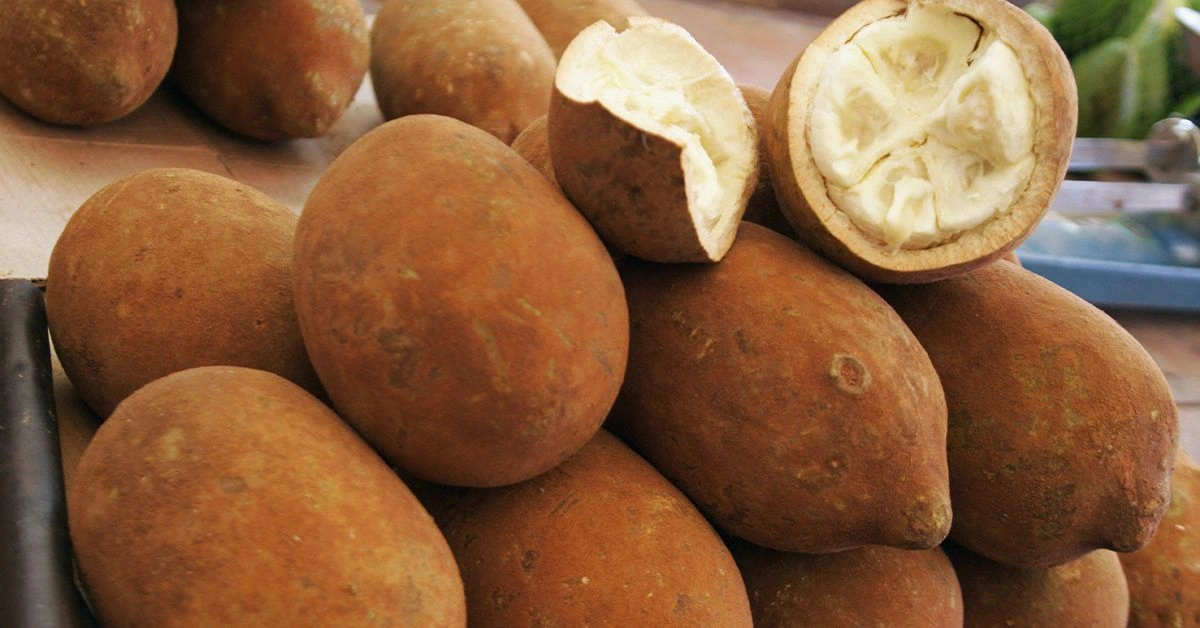
The Amazon rainforest hosts a variety of distinctive foods, several of which are gaining traction in the United States and beyond.
One notable tropical species is cupuaçu, a tree that yields a creamy, flavorful fruit.
This article covers everything you should know about cupuaçu, including its advantages and common applications.

What is cupuaçu?
Cupuaçu (Theobroma grandiflorum), sometimes spelled cupuassu, belongs to the same family as the cacao tree (1, 2).
Indigenous to the Amazon basin, the tree can reach roughly 65 feet (20 meters) in height. Its fruit is celebrated as Brazil’s national fruit, and Brazil is the leading producer of cupuaçu worldwide (1, 2).
The fruit has an oval shape with a brown shell and white, pulpy interior. It resembles cacao fruit and is often described as tasting like chocolate with fruity notes reminiscent of melon or pineapple (1).
Cupuaçu is frequently incorporated into sweets or made into a juice. Its seeds are also pressed to obtain a nutrient-dense fat used both as a culinary oil and in beauty formulations (1).
Summary: Cupuaçu is a relative of cacao. Its fruit has creamy white pulp with a chocolatey, fruity flavor and is widely enjoyed in Brazil. Additionally, its seeds yield a rich fat employed in cooking and cosmetics.
Possible benefits of cupuaçu
Cupuaçu and its derivatives are appearing more often in Western markets. Both the fruit and its butter are valued for their adaptability in culinary and cosmetic uses.
Indeed, cupuaçu may offer several potential benefits.
May promote healthy skin
Cupuaçu butter is abundant in beneficial fats and works as an effective emollient that may help replenish the skin’s natural moisture barrier.
Because it melts at a low temperature, cupuaçu butter becomes soft when applied, enabling rapid absorption into the skin.
Its high lipid content helps lock in moisture, rehydrate the skin, improve elasticity, and reduce aging indicators such as fine lines and wrinkles (3).
Additionally, its considerable antioxidant levels may shield the skin from damaging agents like ultraviolet (UV) light, pollution, and tobacco smoke (4).
Note that individual tolerance to cupuaçu butter can vary by skin type. For instance, those with oily skin might prefer applying it only to drier zones such as hands, feet, and elbows (5).
May keep hair soft and nourished
Cupuaçu is often used as a moisturizing component in hair care formulations.
Dry hair arises from insufficient moisture in the hair shaft, leading to brittleness, lackluster appearance, or frizz.
Cupuaçu contains both saturated and monounsaturated fatty acids, which research indicates can penetrate the hair shaft and restore hydration (6, 7, 8).
In one experiment, dyed hair samples were treated with cupuaçu butter, argan oil, or a conventional conditioner.
Both the cupuaçu- and argan-treated samples markedly improved hair hydration and reduced protein loss — a common consequence of hair dyeing (8).
High in antioxidants and several nutrients
Cupuaçu is packed with antioxidants and nutrients that could support health.
Its flavonoid antioxidants combat oxidative stress, which at elevated levels is associated with inflammation, obesity, and various chronic conditions (9, 10, 11, 12).
Consuming a diet rich in antioxidant-containing foods is linked to a reduced risk of inflammation and chronic illnesses such as cardiovascular disease and diabetes (13, 14, 15).
Furthermore, the fruit is an excellent source of fiber, which promotes digestive health, enhances satiety, and assists in blood sugar control (16, 17).
Summary: Cupuaçu butter supplies fats that help nourish skin and hair. Additionally, the fruit provides antioxidants and fiber.
How to use it
Cupuaçu is offered in multiple forms and can be incorporated into foods as well as beauty products.
Tasty chocolate alternative
If you’re curious to try something new, cupuaçu makes a fine substitute for chocolate.
Because it is related to cocoa, it shares many qualities and can be processed similarly to create delicious confections. It’s occasionally included in energy bars, beverages, and other snacks (1).
Owing to its naturally elevated fat content and mild sweetness, cupuaçu can be made into bars much like dark chocolate.
Cupuaçu powder may also be used in baking — though it might not perform identically to sweetened cocoa powder, which contains substantially more sugar than cupuaçu (1).
Food products
Cupuaçu has become more popular as a source of antioxidants in foods.
The fresh fruit tastes slightly tart with a chewy texture. However, it can be challenging to find outside South America, since it’s not widely exported — although some specialty retailers may offer it.
You can add cupuaçu fruit or powder to desserts and smoothies, and the fresh fruit is sometimes juiced.
Additionally, cupuaçu butter can be used as a cooking fat.
Thanks to its substantial oleic acid content, it has a soft feel and a melting point comparable to butter. Therefore, it’s suitable for low- to medium-heat cooking methods like pan-frying or stir-frying (18).
Supplements
Although cupuaçu supplements exist, there’s no human research validating their effectiveness.
In a small animal study, cupuaçu extract notably reduced markers of inflammation and oxidative stress in rats (19).
While these findings are encouraging, studies in humans are required, and the safety profile and potential side effects of cupuaçu supplements remain unclear.
Always consult a healthcare professional before introducing new supplements into your regimen.
Cosmetics
Owing to its moisturizing and hydrating qualities, cupuaçu is incorporated into many cosmetic items, including:
- body butters
- lotions
- soaps
- shampoos
- conditioners
- hair masks
- lip balms
Most cupuaçu-containing products also include other components, such as:
- shea butter
- argan oil
- various plant oils
They may additionally contain:
- fragrances
- alcohols
- surfactants
- other additives
If you have sensitivities to typical hair and skin ingredients, read product labels carefully.
Summary: Cupuaçu can be eaten fresh and is commonly blended into smoothies and desserts. It’s also found in many cosmetic products, like body butters and soaps. Additionally, its powder serves as a substitute for cocoa powder.
The bottom line
Cupuaçu is a chocolate-like, nutrient-packed fruit native to Brazil.
Its high fat content makes it a favored ingredient in skin and hair products, where it can help moisturize both.
It’s also highly adaptable in culinary uses.
Popular ways to enjoy cupuaçu include:
- eating the fruit fresh
- using its butter for cooking
- adding cupuaçu powder to desserts and smoothies
Although cupuaçu is commonly sold across South America, it can be scarce elsewhere. Depending on where you live, powder, butter, and cosmetic items may be the easiest ways to experience this distinctive tropical ingredient.
Shop for cupuaçu products online
- butter (for cooking, skin, or hair)
- powder (for baking, smoothies, or juice)
- cosmetics (lotions, balms, creams, and more)
- juice (prepackaged and in powder form)




















Leave a Reply
You must be logged in to post a comment.