
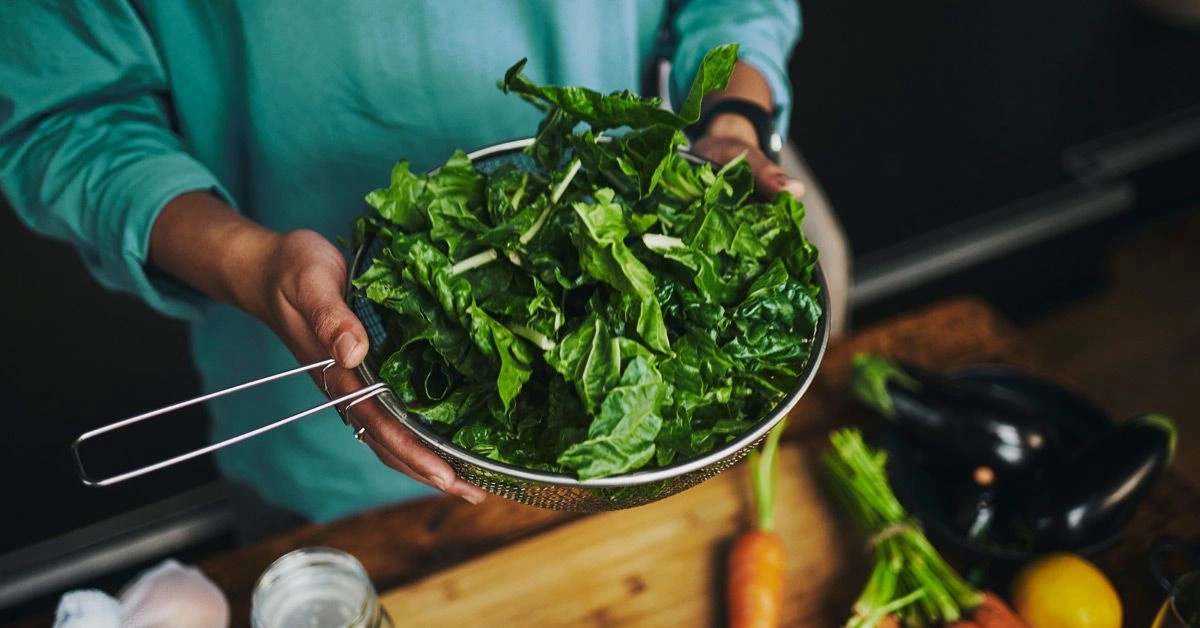
Fruits, vegetables, and other nutrient-dense foods can aid healing following heart bypass procedures.
You may require bypass surgery, or coronary artery bypass grafting, when plaque buildup narrows or blocks the coronary arteries, reducing blood flow to the heart.
After cardiac surgery, choosing particular foods can promote tissue repair, lower inflammation, and help control cholesterol and blood pressure — all of which are vital for recovery.
Below are several evidence-based dietary choices to help support recuperation.

Fruits and vegetables
Fresh produce is abundant in essential vitamins, minerals, antioxidants, and fiber — all important for cardiovascular wellbeing. Fruits and vegetables aid tissue regeneration, bolster immune defenses, and help dampen inflammation, which is especially valuable after heart surgery.
A pooled review of 95 studies found that eating 200 grams (g) per day of fruits and vegetables (combined) was associated with:
- an 8% lower risk of coronary heart disease
- a 16% lower risk of stroke
- An 8% lower risk of cardiovascular disease
- a 3% lower risk of total cancer
- a 10% lower risk of death from any cause
These studies suggest different fruits and vegetables vary in how strongly they relate to mortality risk. Higher consumption of the following items was linked to reduced mortality:
- leafy greens
- berries
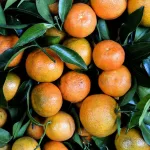
- citrus fruits
- apples
- pears
- cruciferous vegetables
- fruit juice
- cooked vegetables
- potatoes
By contrast, greater intake of canned fruits was tied to a higher mortality risk.
Nuts
Nuts are rich in beneficial nutrients, unsaturated fats, and antioxidants, all supportive of heart health. Research links higher nut consumption with a lower risk of cardiovascular disease (CVD), particularly coronary heart disease, indicating notable protective effects.
Nut consumption also appears promising for decreasing the risk of stroke mortality, atrial fibrillation, and overall death rates.
Try including nuts — such as almonds, cashews, walnuts, or pistachios — in your daily meals as snacks or sprinkled over dishes. This easy addition can offer heart-protective advantages and improve your cardiovascular profile.
Legumes
Legumes are nutrient-dense and high in fiber, vitamins, minerals, and plant-based protein, and they are strongly associated with reduced heart disease risk.
Research into legume intake — including beans, lentils, and chickpeas — found that eating up to 400 g per week was linked to decreased heart disease. However, this protective association did not appear to extend to stroke risk.
Fatty fish
Consuming fish high in omega-3 fatty acids — such as salmon, mackerel, or sardines — supports cardiovascular health because of their anti-inflammatory effects. They can help reduce risk factors like high triglycerides and elevated LDL cholesterol.

An analysis including over 191,000 participants showed that eating at least 175 g of fish per week (roughly two servings), particularly oily fish like salmon or tuna, was associated with a lower risk of major CVD events and mortality in people with existing vascular disease. This benefit was not observed across the general population.
Grass-fed meat and dairy
Grass-fed meats and dairy typically have a more favorable balance of omega-6 to omega-3 fatty acids. Animals fed mainly on grass or forage produce meat and dairy with higher omega-3 levels than those raised on grain-based intensive systems.
Both omega-6 and omega-3 fats are essential, but they play different roles: omega-6 fats can be pro-inflammatory when consumed in excess, while omega-3 fats tend to be anti-inflammatory.
If grass-fed choices aren’t available, choose unprocessed, natural meats when possible. Recent evidence calls into question assumptions about unprocessed red meat’s harms, highlighting that processed meats are linked to greater risks.
A large study of more than 134,000 people across varied regions found that higher intake of unprocessed red meat or poultry wasn’t strongly associated with total mortality or major cardiovascular events.
By contrast, greater consumption of processed meats correlated with higher risks of death and major cardiovascular outcomes.
Whole-fat dairy
Full-fat dairy supplies important nutrients such as vitamins A, D, and K, along with calcium and potassium — essential for heart health, bone integrity, and muscle function.
The shift toward low-fat dairy was historically driven by worries over saturated fats and their effects on weight, cholesterol, and heart disease. However, newer studies challenge these long-held views.
Research suggests that high-fat dairy doesn’t necessarily lead to obesity, diabetes, or cardiovascular disease and may even have protective roles.
A recent analysis indicates that a diet featuring whole-fat dairy along with diverse natural foods — including fruits, vegetables, nuts, legumes, and fish — could lower risks of cardiovascular disease and death.
Despite these findings, such updates haven’t been fully incorporated into current dietary guidelines, likely because advisory bodies are proceeding with caution.
What foods should you avoid after heart bypass surgery?
Foods to limit or avoid after bypass surgery include:
- fried items and foods high in trans fats, such as french fries, fried chicken, doughnuts, and potato chips
- excess sodium from processed foods, canned soups, or overly salty snacks
- added sugars commonly found in sodas and candy
- refined carbohydrates like white bread and white rice
- processed meats, such as hot dogs and bologna

Bottom line
Choosing a heart-supporting diet rich in fruits, vegetables, and healthy fats, while limiting trans fats, sodium, and processed items, helps recovery and long-term cardiac health.
If you’re preparing for or recovering from bypass surgery, emphasize a whole-food, natural eating pattern to better manage inflammation, cholesterol, and blood pressure.
For additional guidance on nourishing choices, see recommendations for heart healthy foods.















Leave a Reply
You must be logged in to post a comment.