
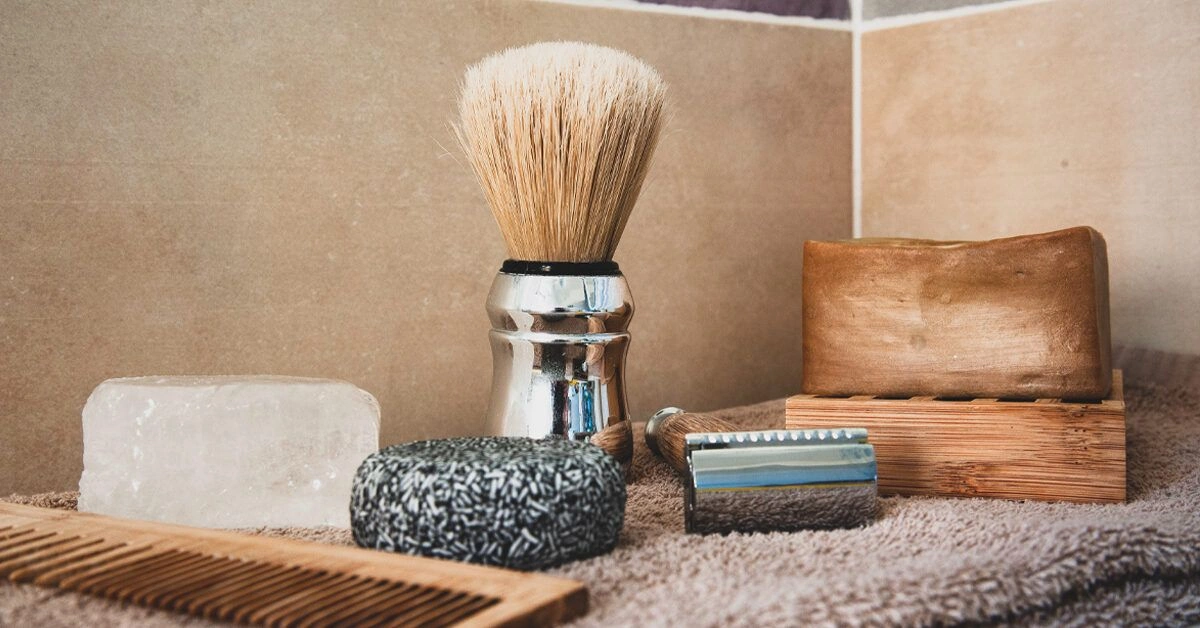
If you’re versed in shaving rituals and the various tools that accompany them, you’ve likely come across an alum block.
An alum block is a mineral slab composed of potassium alum, long employed as a post-shave remedy. Applied to the skin after shaving, it can help stop minor bleeding, calm inflammation, and offer additional benefits.
Below we’ll define an alum block, outline its post-shave advantages, and show how to use it properly.
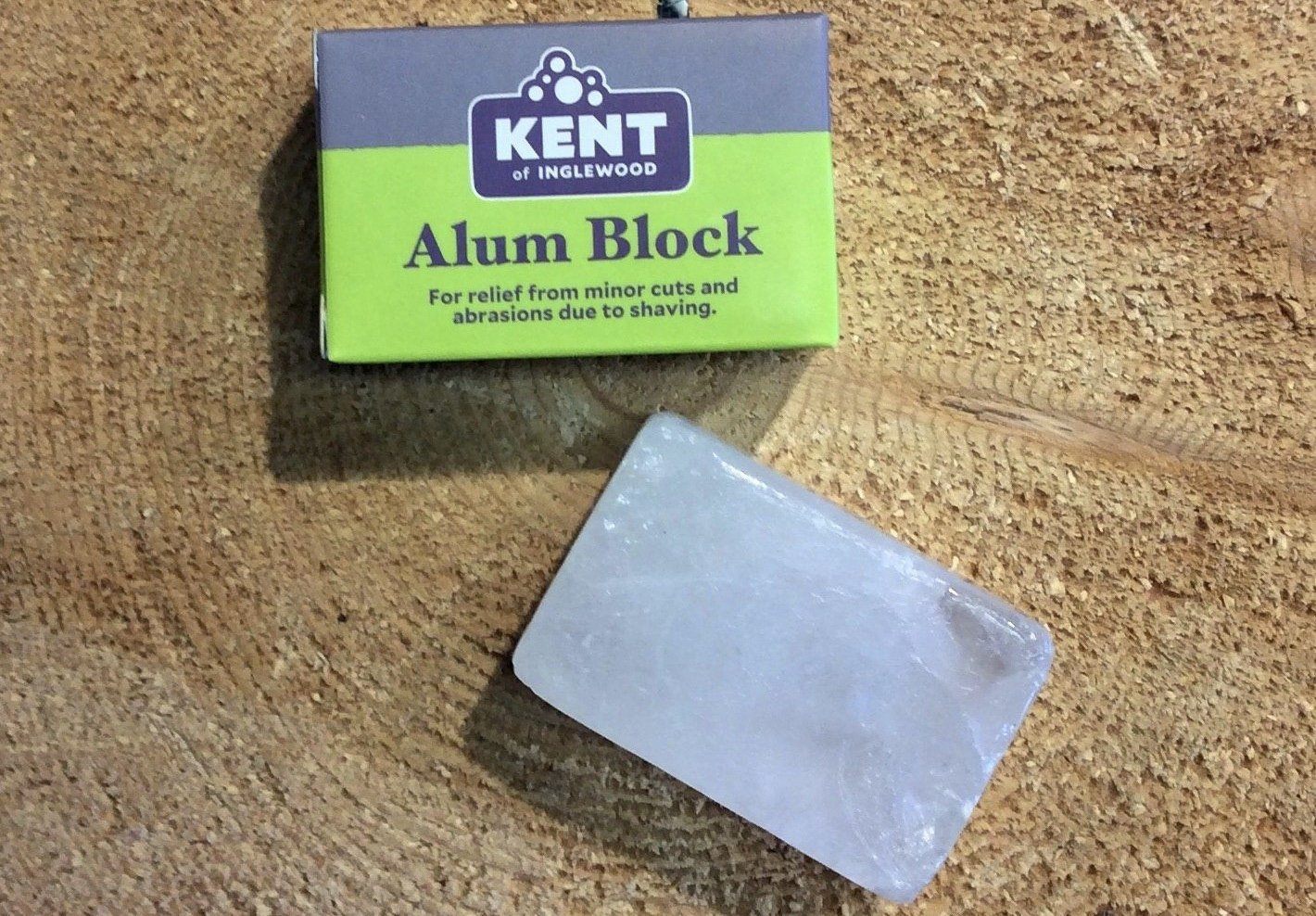
What is an alum block in shaving?
An alum block is a crystalline bar made from potassium alum, a substance with both antiseptic and astringent qualities. Its antiseptic action helps protect against microorganisms, while the astringent effect aids in reducing bleeding and tightening the skin.
Typically used after shaving, an alum block soothes the skin, limits bacterial spread, and addresses minor nicks and cuts. It may also help prevent common shaving complaints like razor burn and ingrown hairs.
Alum block vs. styptic pencil
Alum blocks and styptic pencils are both derived from alum, a versatile compound used beyond shaving. Their astringent nature makes both helpful for calming the skin post-shave.
That said, they differ in typical usage and form:
- Alum blocks are commonly used for small nicks and razor-related irritation. They can double as a natural deodorant and sometimes as part of an acne-reducing routine. As a solid block, they generally have a longer usable life.
- Styptic pencils are traditionally reserved for more noticeable cuts. They’re effective for stopping minor bleeding in various situations. Because they are in a powdery pencil format, they may be consumed faster than a block.
How to use an alum block
Even if you’ve never used one, an alum block is straightforward to apply.
- Once you’ve finished shaving, rinse the shaved area with cold water and ensure no soap or shaving cream remains.
- Wet the alum block with cold water. Some users soak the block briefly before application.
- Gently glide the damp alum block over the skin. You might experience a tingling, stinging, or burning sensation, especially over cuts or razor-burned areas.
- Let the alum residue remain on your skin for 15–20 seconds to allow the crystals to tighten pores and cleanse the area.
- After 15–20 seconds, wash the residue off with cold water.
- Finish with a moisturizer or aftershave.
After use, pat the alum block dry with a towel before storing. If you soaked it, leave it on a safe surface to dry thoroughly before the next use.
Alum block health risks and precautions
Some tingling, stinging, or a burning sensation is normal when using an alum block after shaving; these feelings stem from the crystals’ antiseptic and astringent effects.
Occasionally, persistent skin irritation can occur that doesn’t resolve after rinsing. If you experience excessive irritation or suspect an allergy to alum, consult a healthcare professional before further use.
Other uses for an alum block
While often used as a post-shave product, alum blocks have a few other practical applications.
Alum block after waxing
Waxing avoids the tiny cuts shaving can produce and lowers the chance of ingrown hairs, yet it can still leave skin irritated—particularly if the wax was too hot or the technique was harsh.
Here, the antiseptic and astringent traits of alum can be soothing on freshly waxed skin as well.
Alum block as a deodorant
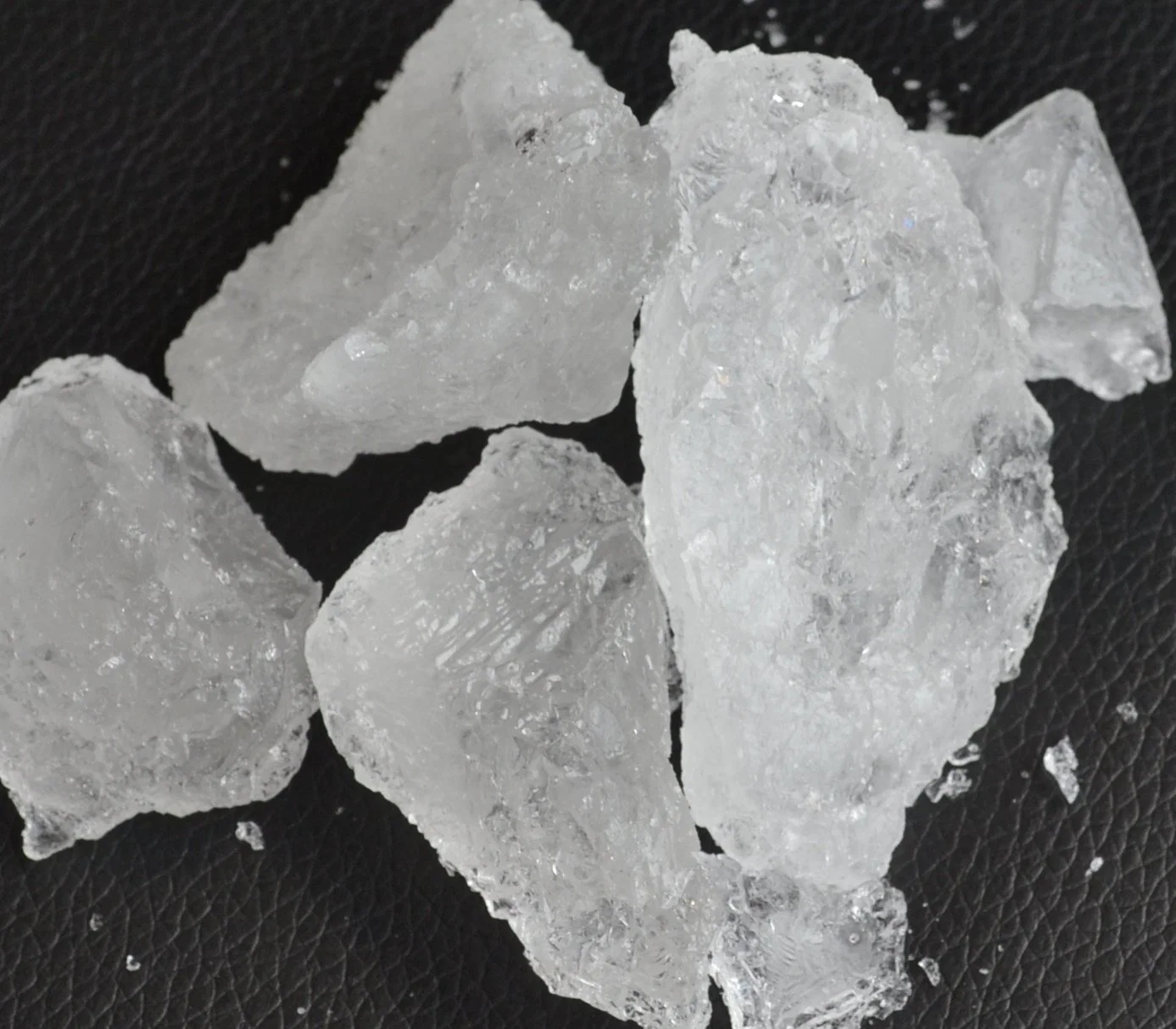
Deodorants and antiperspirants work by eliminating odor-causing bacteria and reducing sweat. One natural option is a crystal deodorant made from potassium alum.
An alum block can serve as a natural deodorant alternative, helping to kill bacteria and keep underarms feeling and smelling clean.
Alum block for acne and dark spots
Many acne treatments use agents like salicylic acid to exfoliate, cleanse, and tighten skin. Research indicates that alum may also assist by cleansing bacteria and tightening pores, potentially reducing acne lesions.
How to store an alum block
Proper storage helps preserve an alum block’s longevity. Once exposed to moisture, alum crystals begin to dissolve, which is useful for immediate application but not for long-term storage.
Always dry the block completely before putting it away. Keep it in a cool, dry place with good airflow so remaining moisture can evaporate between uses, preventing premature degradation.
Where to get an alum block
Retailers that carry professional shaving gear and kits usually stock alum blocks. You’ll often find them near shaving accessories or with aftershave items. They come in different sizes, so pick one that suits how frequently you shave.
Shop for an alum block online.
Takeaway
Alum blocks are crystalline bars of potassium alum, an antiseptic and astringent compound.
They can help reduce common post-shave issues such as minor bleeding, inflammation, and razor bumps, and they also have uses as a deodorant or within skincare regimens aimed at acne control.





















Leave a Reply
You must be logged in to post a comment.