
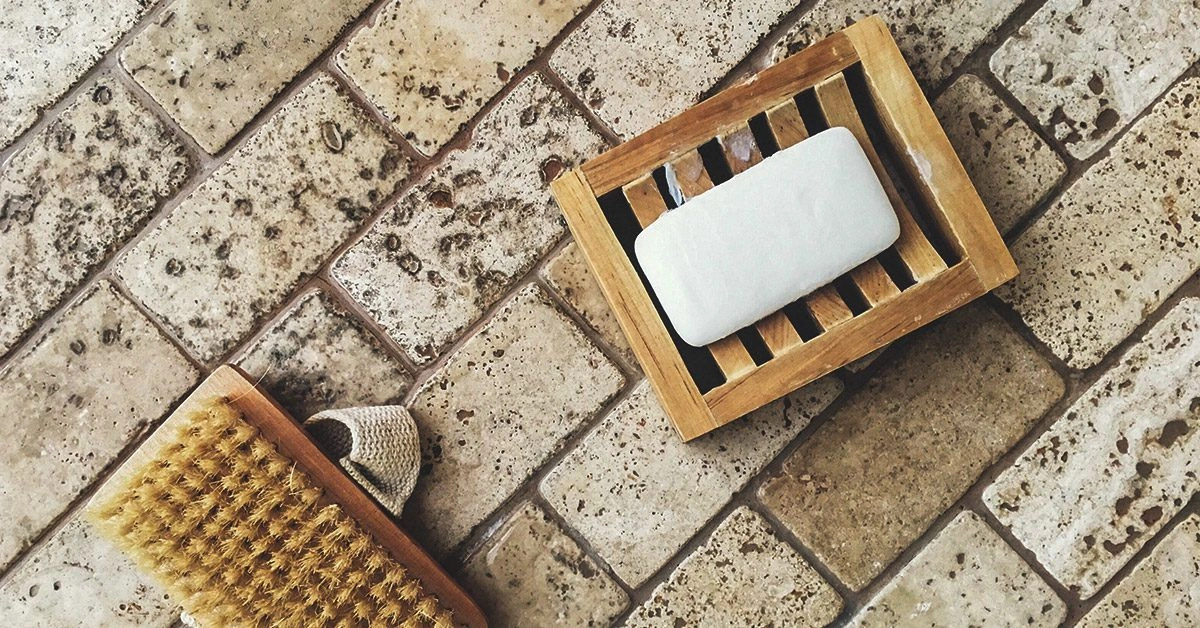
What is glycerin?
Glycerin, also known as glycerol, is obtained from plant-derived oils. It’s also naturally present in fermented items like beer, wine, and bread.
This compound was discovered somewhat accidentally in 1779 when a Swedish chemist heated an olive oil mixture and identified the resulting fatty substance as glycerin.
From the mid-1800s onward, glycerin has been used in soapmaking. The typical method involves heating certain plant oils and letting the solution cool and solidify into bars.
Although you can still craft glycerin soap at home, this component is now commonly found in over-the-counter (OTC) skincare products.
Continue reading to learn about its possible advantages, what to check for when buying OTC products, how to make it yourself, and more.
What benefits does glycerin soap offer?
Unlike many commercial soaps, pure glycerin soap is natural. It typically lacks alcohol, added fragrances, and many chemical additives that can irritate skin.
That quality makes glycerin soap both vegan-friendly and an excellent choice for people with sensitive skin.
Bathing can strip your skin of its natural oils, whether from hot water or harsh cleansers. Glycerin can help retain your skin’s moisture and prevent excessive drying.
This can be particularly helpful for those who experience drying conditions such as:
- acne
- dermatitis (eczema)
- dry skin
- psoriasis
- rosacea
At the same time, glycerin isn’t greasy, making it suitable for people with oily or combination skin types.
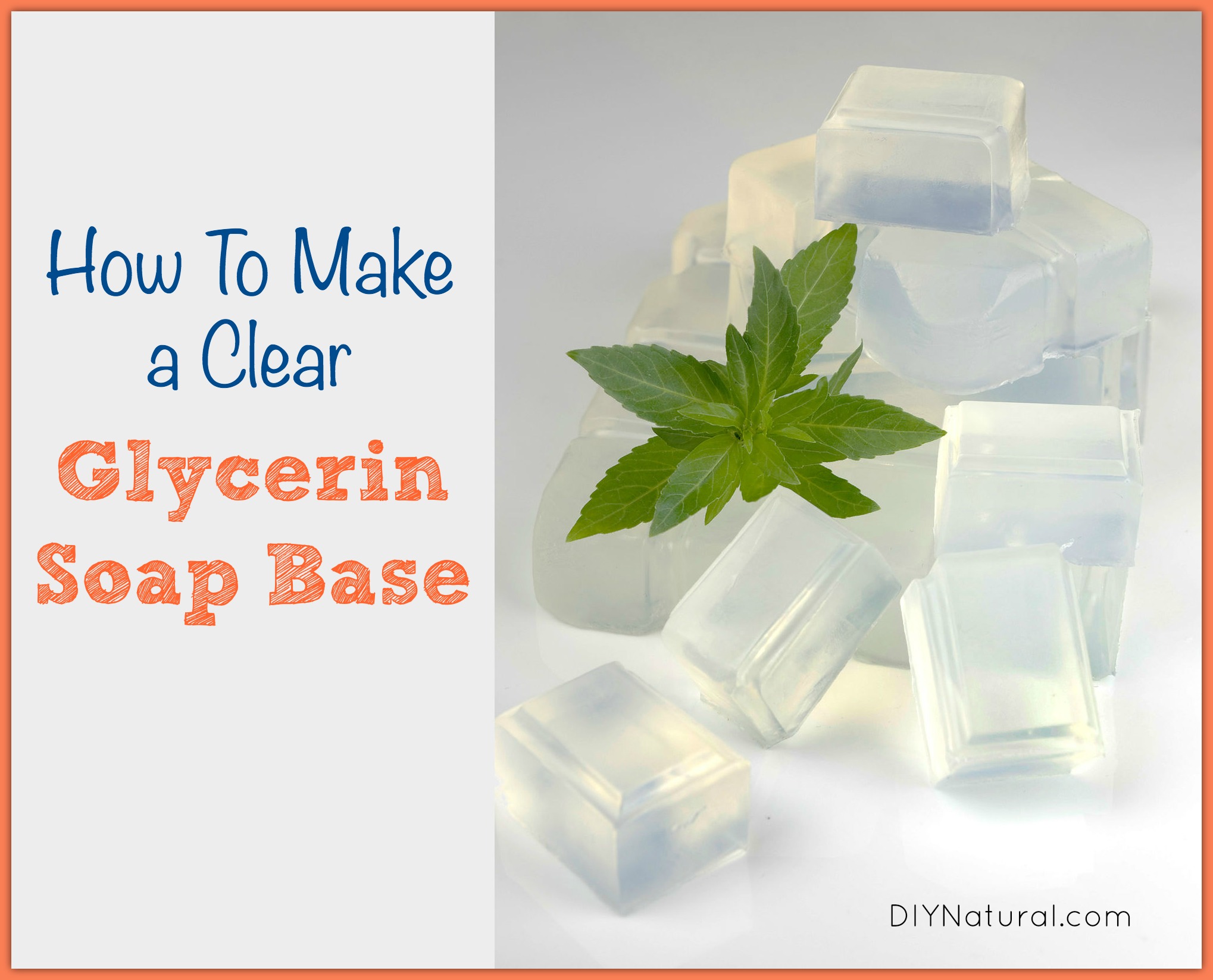
Is it really hypoallergenic?
Glycerin is generally regarded as nontoxic and environmentally safe. However, that doesn’t automatically mean it’s hypoallergenic.
The label “hypoallergenic” implies a product is unlikely to trigger an allergic reaction, but the U.S. Food and Drug Administration does not define or regulate the term.
As a result, cosmetic companies may market products as hypoallergenic without providing scientific evidence.
Pure glycerin itself is unlikely to provoke allergies, but other ingredients added to OTC formulations could. The only reliable way to assess your personal risk is to perform a patch test before using the product widely.
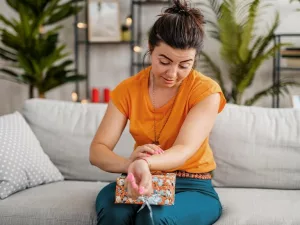
To perform a patch test:
- Apply a small amount of the chosen soap to the inside of your forearm.
- Wash and rinse the area according to directions.
- Wait 24–48 hours to observe any reaction.
- If no redness or irritation appears, it should be OK to use elsewhere.
Are there any drawbacks to consider?
Although glycerin soap is generally suitable for most skin types, its humectant nature might be less desirable for those with very oily skin. Testing it on an oily patch first can help you gauge its effect.
Glycerin attracts water, so a glycerin bar may not last as long as conventional soaps. Removing the bar from the shower between uses helps prevent it from dissolving from stray water spray.
Pure formulations can also cost more. Synthetic soaps are cheaper to manufacture and therefore often sold at lower prices. You may find pure glycerin bars to be pricier. Making your own can reduce costs, but it can be time-intensive.
How to use glycerin soap
You can incorporate glycerin soap into your daily skincare regimen. As with other soaps, it can sting if it gets into your eyes, so take care when washing your face.
What to look for in over-the-counter (OTC) glycerin soap
Glycerin is water-soluble and clear, and it’s naturally free of scent. If you cannot view or smell the product before purchase, check the ingredient list to ensure there are no added fragrances.
Many OTC soaps include glycerin alongside other components like essential oils, colorants, and synthetic substances. If glycerin appears with multiple other ingredients on the label, you’re not looking at a pure glycerin bar.
While additives won’t negate glycerin’s moisturizing benefits, they raise the chance of irritation and side effects.
Liquid glycerin is sold at many stores, but you can’t simply pour it on your skin as soap. It can, however, be used as an ingredient to make homemade glycerin bars.
How to make your own
There are various glycerin soap recipes available online that give measurements and safety advice, but they generally follow these core steps:

- With gloves and eye protection on, slowly sprinkle lye into distilled water (never pour water into lye).
- Combine the lye solution with plant oils such as coconut or vegetable oil.
- Gently heat the mixture on the stove or in a slow cooker.
- Stir in liquid glycerin and a small amount of alcohol.
- When everything is fully dissolved, pour into your chosen mold and let it cool.
The cooling and curing process can require several days. Making a larger batch can be convenient so you have spare bars available.
The bottom line
While OTC glycerin options exist, many include other ingredients. Additives don’t eliminate glycerin’s moisturizing and soothing qualities, but they do increase the possibility of irritation.
If you don’t want to make soap from scratch, seek out a genuinely pure glycerin bar from a health shop or online retailer. You should be able to find authentic glycerin soap at local health stores or through various e-commerce sites.














Leave a Reply
You must be logged in to post a comment.