
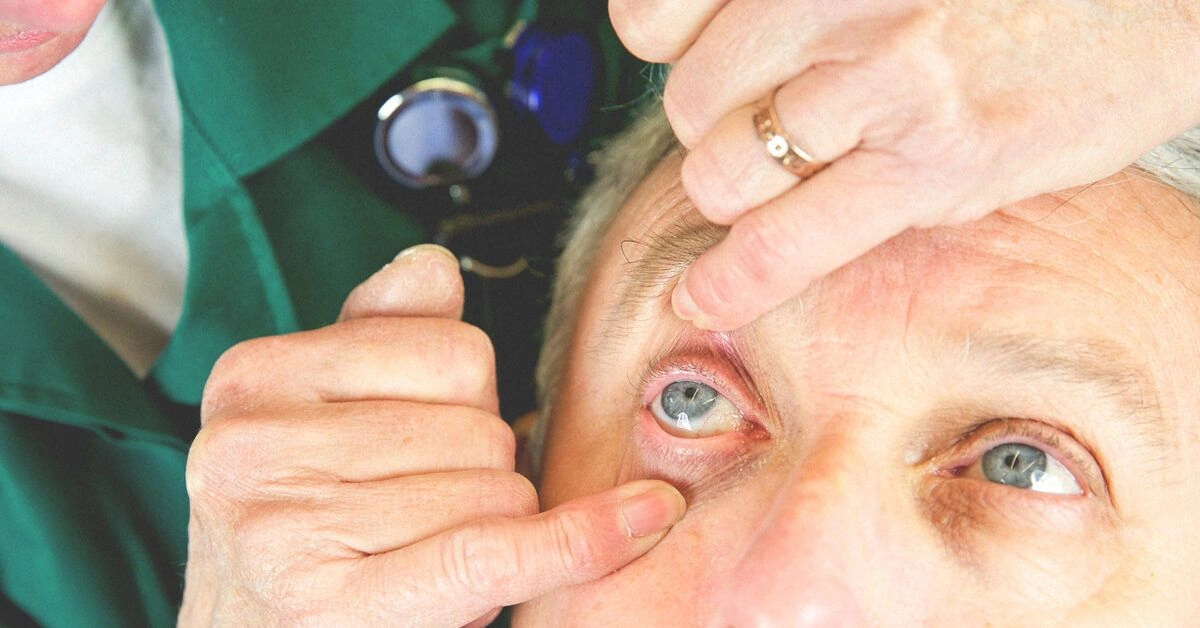
Having your pupils dilated is a key component of a thorough eye examination. After your clinician administers the dilating drops, it typically takes around 20–30 minutes for the pupils to open fully.
Once fully dilated, most people experience the effects for about four to six hours. Some individuals, especially those with lighter-colored irises, may notice the drops’ influence for a longer period. In children, dilation can sometimes persist for up to an entire day following the visit.
Your eye care professional cannot predict precisely how long dilation will affect you or how intense the symptoms will be. Eyes respond differently to dilating agents. The best approach is to remain cautious while your vision is blurred or your eyes are sensitive to light.
What side effects can dilating drops cause?
Dilation is not harmful in the long run, but it does produce temporary side effects that usually last about four to six hours.
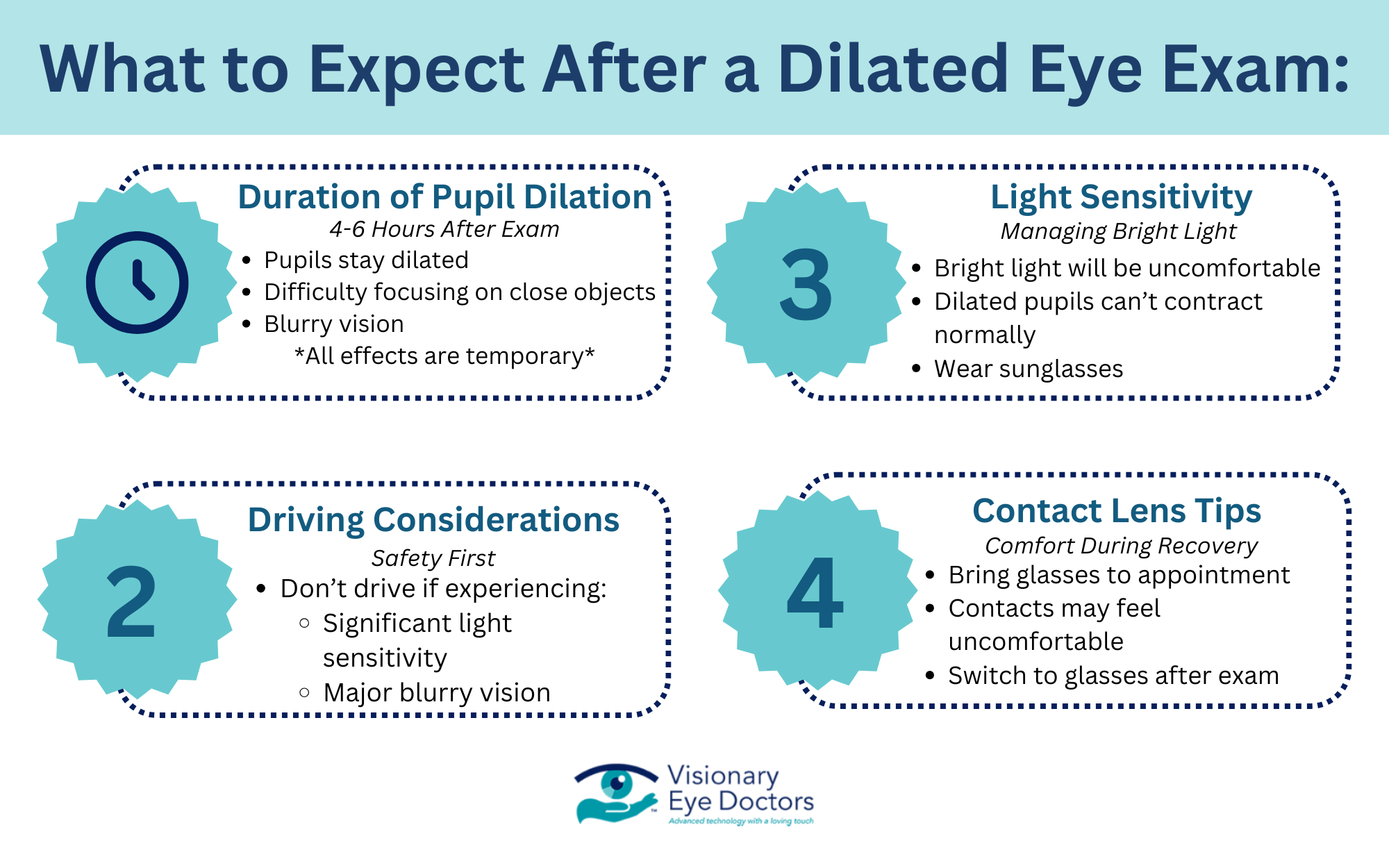
Common side effects include:
- increased sensitivity to bright light
- blurred vision
- difficulty focusing on near objects
- momentary stinging immediately after the drops are applied
If you wear contact lenses, you may be unable to use them until the effects of the dilating drops have worn off.
Why is pupil dilation performed?
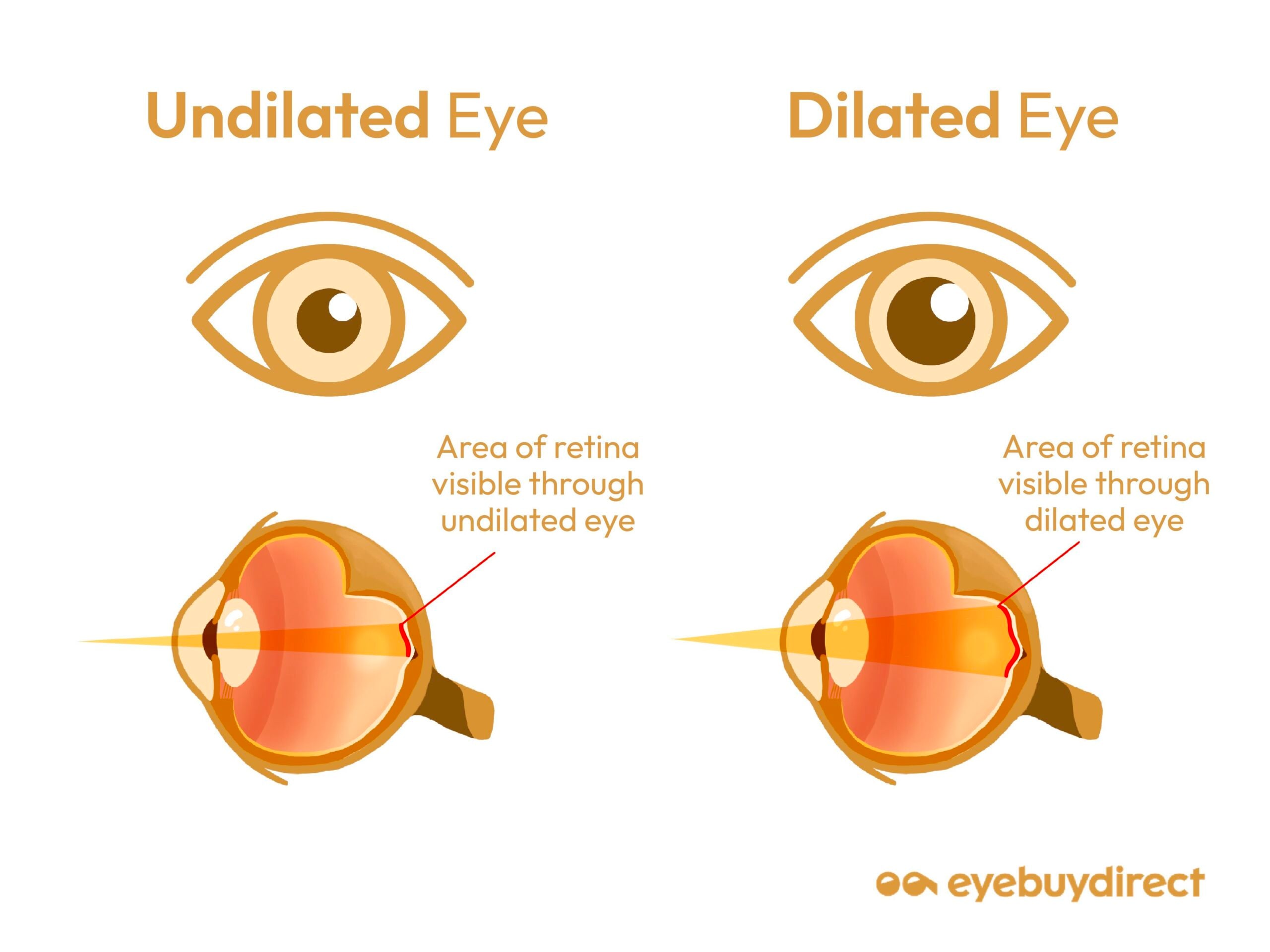
Dilating the pupil enables an eye doctor to examine the interior of your eye. The drops expand the pupil (the dark center of the eye) so it won’t constrict when a light is shone into it. A larger pupil allows the clinician to use a magnifying lens to inspect the back of the eye, including the retina, optic nerve, blood vessels, and other structures that are otherwise hidden.
Dilation assists your eye doctor in identifying a variety of eye diseases, such as
- glaucoma
- retinal detachment
- age-related macular degeneration
- diabetic retinopathy
It can also reveal signs of systemic illnesses that affect more than just the eye, like hypertension and diabetes. For example, high blood pressure can damage retinal blood vessels, changes that are visible only when the pupil is dilated.
Using dilation as therapy
Dilating drops are sometimes prescribed as treatment for certain eye problems. They can be used for eye inflammation and for amblyopia (lazy eye), a condition in which one eye doesn’t relate properly to the brain. Therapeutic dilation produces the same effects as dilation done during an examination.
How to cope with dilation side effects
Because dilation can blur vision and increase light sensitivity, it’s important to look after yourself and protect your eyes after your appointment.

- Arrange for someone to drive you home, or take a taxi. Many people who have prior experience with dilation choose to drive themselves if they feel comfortable, but having a ride is safer.
- Bring sunglasses to shield your eyes after the visit. Bright sunlight may be uncomfortable. Some clinics provide sunglasses after dilation, but bringing your own is a good backup.
- Consider taking a few hours off work. Reading and close tasks may be difficult, and avoiding eye strain is important.
General eye care recommendations
Eye exams do more than assess vision. They can detect eye-specific problems as well as other chronic health issues. Regular comprehensive eye exams are important even if you don’t notice vision changes.
If you and your child have no eye problems and aren’t at elevated risk, schedule a full eye exam every two years. A comprehensive exam includes dilation. Have an eye exam annually if you or your child:
- wear glasses
- have diabetes
- have an existing eye condition
- have a family history of eye disease
- are at increased risk for eye disorders
Yearly eye exams are also advised for all adults over 60, regardless of symptoms. African-Americans and Hispanics are encouraged to begin annual exams at age 40, since these groups have a higher risk of glaucoma.
Bottom line
Dilation can be inconvenient or uncomfortable for a few hours, but it’s a vital element of health screening. It enables your clinician to detect not only eye diseases but also signs of broader health conditions. Having a dilated eye exam every one to two years helps keep your eyes and overall health in the best possible condition.





















Leave a Reply
You must be logged in to post a comment.