

You can often eliminate moths using cedar, certain herbs, frequent vacuuming, and sticky traps, among other approaches.
While adult moths usually aren’t a direct problem indoors, their larvae can chew through fabrics — particularly wool and cotton — or infest dry foods like cereal, pasta, and bread.
This can be extremely frustrating and damage clothing, pantry items, and other household possessions. Fortunately, there are many practical steps you can take to remove moths and prevent them from breeding and feeding in your home again.
:strip_icc()/BHG-How-to-Get-Rid-of-Clothes-Moths-112299687-3d9bc66d2290452998cb4673893dafac.jpg)
5 ways to get rid of moths
There are several moth species, but most respond to the same control strategies.
Clothes moths typically avoid light and remain in dark, undisturbed spots like wardrobes, attics, and cellars. Pantry or grain moths are often found in kitchens and feed on dried fruits, cereals, and other stored edibles; these may be seen in brighter areas.
Below are some effective methods for tackling moths:
Use cedar throughout your home
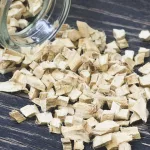
Cedarwood oil is an insect repellent with a low risk profile for humans. Compounds such as cedrol are believed to repel moths and disrupt their orientation. It may also be lethal to moth larvae.
Research found that 0.6 mg/L of cedarwood oil vapor killed 91% of moth larvae within a week. Higher vapor concentrations of 1–2 mg/L were more potent, producing 100% mortality within 8 to 24 hours of exposure.
Although stronger cedar vapor worked faster, authors noted that lower concentrations persist longer and could be useful for ongoing moth control.
You can apply cedar oil in a spray bottle diluted with water or use a diffuser in wardrobes, drawers, and other places moths may inhabit.
Set out sticky traps
Buy sticky fly traps from a hardware store. These devices catch common flies and fruit flies but can trap any insect that contacts the adhesive. Once stuck, insects cannot escape and will die.
Place traps where moth activity is noticed and discard them when the sticky surface fills up. Replace traps as needed.
Vacuum and dust floors, carpets, and moldings regularly
Clean with a vacuum, dusting cloths, and eco-friendly cleaners to remove dust and debris that attract moths. Focus on carpet edges, along baseboards, and hidden spaces such as under or behind furniture.
Empty the vacuum and wash dusting cloths routinely so eggs and larvae don’t remain and develop inside cleaning tools.
Wash garments that show larvae or eggs
Use hot water and high dryer heat when possible.
Dry cleaning or exposure to temperatures above 120°F for 20–30 minutes will kill insects at all stages.
Regular laundering of clothing helps prevent moths and larvae from surviving in fabrics.
Freeze items that show signs of infestation
For garments that can’t be laundered or tumble-dried on high, place items in a freezer at no more than 0°F for at least one week. Freezers that reach -20°F can eradicate all life stages within 72 hours.
Seal pieces in plastic bags or wrap in polyethylene sheeting before freezing to protect them. After freezing, allow items to warm to room temperature (about 24 hours) before unsealing, since some fabrics become brittle when cold.
Consider calling a pest control service
Sometimes home remedies and prevention aren’t sufficient.
If a moth infestation is extensive, contact a local pest management company to explore professional treatments and solutions.
Tips to prevent moths
Use these strategies to stop moths from invading your belongings:
- Brush wool or fur garments after wearing them outside. Moth eggs can hitch a ride on these materials and gain entry to closets, so brushing them off regularly helps reduce the chance of larvae getting inside.
- Wash and dry garments before storing them long-term.Air-dry in sunlight when possible to wash away or kill any eggs or larvae so they don’t develop while stored.
- Store clothing and items in airtight containers. Use sealed chests, plastic bins, locked suitcases, or similar airtight options to keep moths from entering and laying eggs. Don’t leave woolens or suits exposed—place them in zipped, airtight garment bags inside sealed containers, especially when not in regular use.
- Keep storage spots dry. Moths prefer damp, humid conditions. Avoid storing clothes in basements, garages, sheds, or other areas exposed to weather changes. Choose indoor closets, rooms, or attics instead.
- Maintain low humidity. Moths thrive in higher humidity, so reducing humidity can deter their survival and reproduction. You might consider a dehumidifier.
- Vacuum frequently: Regular vacuuming disrupts the environment where larvae and moths reproduce, helping prevent populations from establishing.
Moths and your health
Most people do not suffer health problems from moths in the home.
They’re an annoyance and can consume clothing and dry foods, but they generally don’t transmit diseases or trigger allergies in most individuals.
However, some people may be genetically prone to respiratory allergies from moths. Certain moth larvae or adults produce glycoproteins from substances on their bodies or wings that can cause allergic responses when inhaled.
Moth larvae — caterpillars — can provoke skin irritation or allergic reactions upon contact. While moths don’t bite, larvae can have sharp spines or hairs that sting, producing symptoms such as:
- itchiness
- scaly patches
- blistering
- rashes
- flare-ups resembling eczema
- contact dermatitis, including redness, hives, and swelling
Consult a physician if you suspect allergy symptoms caused by moths or other insects in your home.
The takeaway
Although most moth species don’t seek out homes, a few will settle in closets, pantries (especially those storing grains, pasta, and bread), or other areas of the house.
Moths are not usually dangerous, but they can seriously damage clothing, food, and belongings. For those with allergies, moths may worsen symptoms.
If an infestation feels overwhelming, there are many ways to eliminate moths and prevent their return. With consistent preventive steps, your clothes, pantry items, and breathing can remain unaffected.

















Leave a Reply
You must be logged in to post a comment.