

Cream cheese is relatively low in lactose and can be a notable source of vitamin A, antioxidants, and potentially beneficial bacteria. However, it’s low in protein and tends to have a short refrigerated shelf-life.
This soft cheese features a silky texture.
Its flavor is mild, making it a favored spread for bread, crackers, and bagels.
This article covers the essentials about cream cheese, including its production, nutrition, health perks, and potential drawbacks.
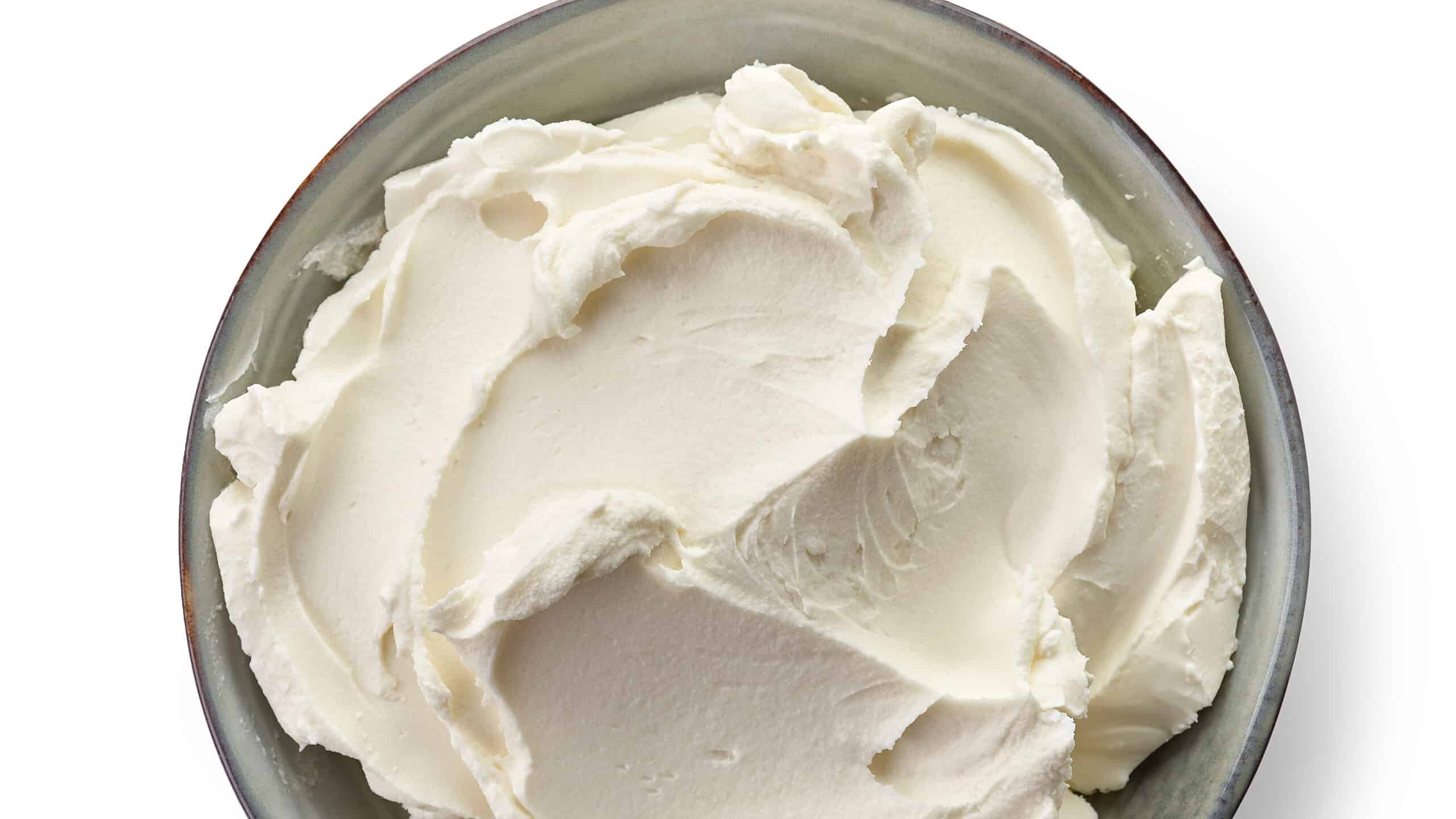
How it’s made
Cream cheese is usually produced from cream, though some recipes blend cream with milk (1).
Initially, the cream is pasteurized to destroy harmful microbes. Lactic acid bacteria are then added, which acidifies the mixture slightly (2).
Next, fat globules in the cream are broken down into smaller, more uniform particles to yield a smooth texture (1, 3).
Thickeners such as carob bean gum and carrageenan are commonly added. Finally, a coagulating enzyme — from plant or animal origin — may be used to enhance firmness (3, 4, 5).
In the U.S., cream cheese must contain at least 33% fat and have under 55% moisture by weight; other countries may require different fat percentages (3, 5).
Summary: Cream cheese is produced from cream or a cream-and-milk blend and becomes slightly acidic after adding lactic acid bacteria.
Nutrition
There are many varieties of cream cheese available — regular, double-cream, whipped, and flavored — so nutrition varies by type and brand.
On average, 1 ounce (28 grams) of regular cream cheese contains (6):
- Calories: 99
- Protein: 2 grams
- Fat: 10 grams
- Carbs: 2 grams
- Fiber: 0 grams
- Vitamin A: 10% of the Daily Value (DV)
- Riboflavin (vitamin B2): 5% of the DV
Cream cheese is calorically dense and rich in fat, while offering modest amounts of carbs and protein. It supplies vitamin A and some riboflavin.
Whipped versions generally have lower fat and fewer calories per serving (6).
Summary: Cream cheese is high in fat and provides vitamin A and riboflavin.
Benefits
Beyond being a tasty spread, cream cheese offers several potential health advantages.
Good source of vitamin A
Cream cheese contains a meaningful amount of vitamin A.
One ounce (28 grams) provides about 87 mcg of vitamin A, roughly 10% of the DV (6). This fat-soluble vitamin is vital for vision (7).
It also plays a role in immune function and helps maintain the health of tissues such as skin, lungs, and the intestinal lining (8).
Provides antioxidants
Cream cheese contains antioxidants that help neutralize free radicals — unstable molecules that can damage cells when present in excess.
It includes small quantities of carotenoids like lutein and zeaxanthin, which are particularly beneficial for eye health (6, 9, 10, 11).
Potential probiotic properties
Cream cheese production uses a starter culture of lactic acid bacteria.
Some strains used are probiotics — beneficial microbes that can support health (12).
For instance, certain Lactobacillus strains can reduce inflammation and modulate immune responses, while other strains can stimulate immunity when facing infection (12, 13, 14).
In an 8-week animal study, mice fed cream cheese containing Lactococcus chungangensis showed higher levels of beneficial short-chain fatty acids and a healthier gut bacterial profile in feces (15).
Short-chain fatty acids are key energy sources for colon cells and can lower inflammation, which may help people with certain inflammatory conditions (16, 17).
These findings are encouraging, though human research is still needed.
Because heat destroys probiotics, seek products labeled “live and active cultures” if you want living beneficial bacteria.
Low in lactose
Lactose is the sugar naturally present in milk and dairy products.
Some people lack the enzyme to digest lactose, a condition called lactose intolerance, which can cause bloating, gas, and diarrhea (18).
Those with lactose intolerance often need to limit or avoid dairy.
Yet, research indicates many people with this intolerance can tolerate modest amounts of lactose — up to about 12 grams per meal (18).
Cream cheese contains under 2 grams of lactose per ounce (28 grams), so it may be tolerated by many people with lactose sensitivity (6).
Summary: Cream cheese offers vitamin A, is low in lactose, and supplies antioxidants; it may also deliver probiotic benefits.
Possible downsides
Despite its advantages, cream cheese has some limitations.
Low in protein
Cream cheese provides relatively little protein — a typical 1-ounce (28-gram) serving delivers under 2 grams. This is much lower than many other soft cheeses such as brie or goat cheese (6, 19, 20).
Protein is necessary for preserving muscle mass and strength and also helps promote satiety after meals (21, 22).
Therefore, include other protein-rich foods in your diet, such as meat, fish, eggs, legumes, and other dairy products.
Short shelf-life
Cream cheese doesn’t last very long.
Processing methods, packaging, and storage conditions influence how quickly it spoils.
Even though pasteurization reduces harmful microbes, the cheese’s high moisture makes it vulnerable to contamination (23).
Typically, cream cheese should be consumed within about 2 weeks of opening and kept refrigerated (24).
To minimize bacterial growth, use a clean utensil when spreading and reseal the package. Discard cream cheese by the use-by date or if it develops an off odor or mold (23).
Summary: Cream cheese is low in protein and should typically be used within two weeks after opening.
A versatile ingredient
Cream cheese is highly adaptable.
Its rich, creamy mouthfeel makes it useful in both sweet and savory recipes. While it’s commonly smeared on bagels, crackers, and toast, it’s also incorporated into sandwich spreads, baked potato fillings, and creamy sauces (1, 3).
It pairs wonderfully with smoked salmon for a tasty snack or appetizer.
Additionally, cream cheese is a staple in cheesecakes and appears in desserts like brownies and cookies (1).
Summary: Cream cheese is a popular spread and a common ingredient in baked treats such as cheesecakes.
The bottom line
Cream cheese is a flexible dairy spread.
It supplies vitamin A and is low in lactose, but it contains relatively little protein and is high in fat and calories, so it’s best enjoyed in moderation.
Lower-fat options, like whipped cream cheese, offer fewer calories and less fat.






















Leave a Reply
You must be logged in to post a comment.