
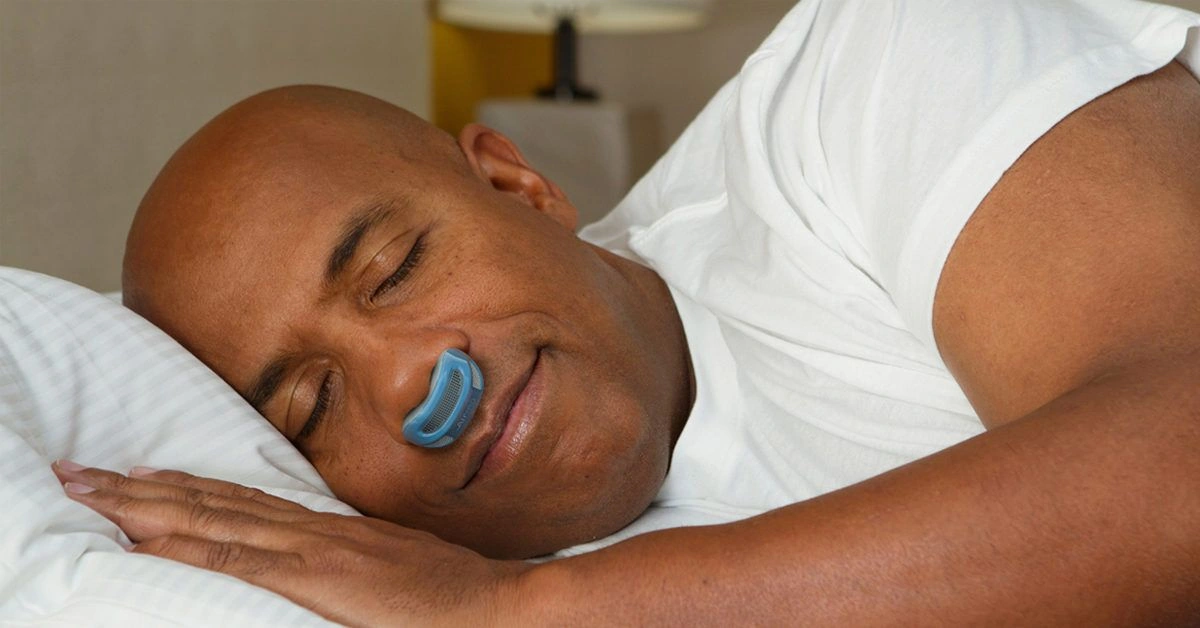
- Micro-CPAP devices are promoted as compact, cordless substitutes for conventional CPAP machines, but their effectiveness for treating obstructive sleep apnea (OSA) has not been established.
- The FDA has not approved micro-CPAP devices, and there is scant clinical evidence to back claims that they eliminate snoring or deliver continuous airway pressure comparable to standard CPAP units.
- Conventional OSA therapies — including CPAP, surgery, and behavioral changes — remain the accepted standards of care. Individuals should consult a physician to choose the most appropriate treatment.
Continuous positive airway pressure (CPAP) therapy is a widely used approach for treating obstructive sleep apnea.
However, CPAP systems aren’t without drawbacks, and some patients struggle with the mask and tubing that can make sleep uncomfortable.
In response to this feedback, some manufacturers have introduced alternative micro-CPAP devices that claim to provide similar benefits for OSA with fewer components.
Although these smaller, less invasive iterations of CPAP may reduce snoring and improve airflow for some users, their efficacy as a bona fide OSA treatment has not been proven.
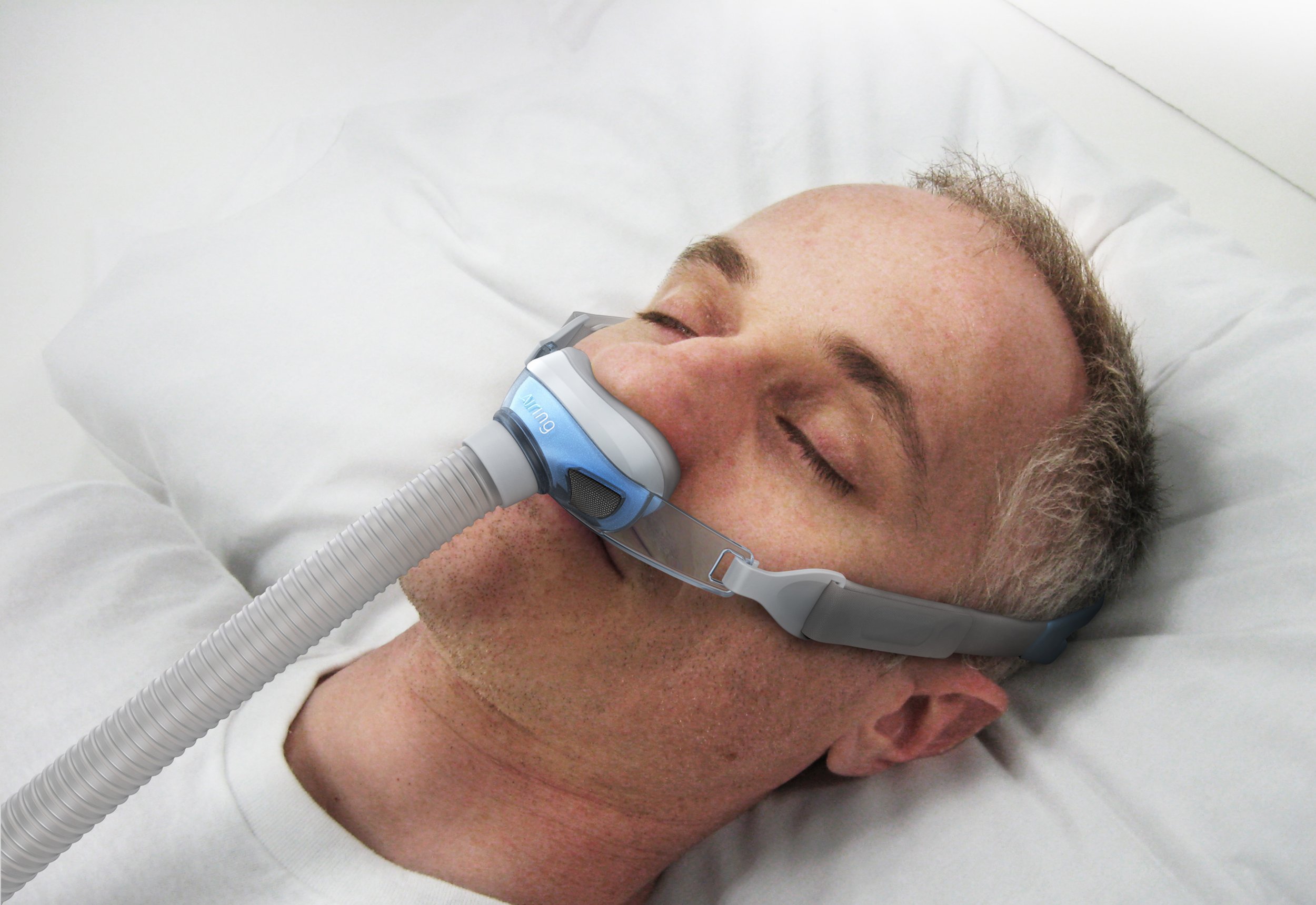
Claims about micro-CPAP devices
CPAP therapy does not suit everyone who has obstructive sleep apnea.
A 2021 systematic review reported that adherence (nightly use) to CPAP is roughly 50 percent. Micro-CPAP devices are pitched as a solution to this adherence issue.
The idea is that compact CPAP-like devices, which use small blowers attached to the nostrils, might boost consistent use.
So far, micro-CPAP devices are not FDA-approved. Still, manufacturers claim these gadgets offer benefits similar to standard CPAP while also providing:
- Lower noise: Traditional CPAPs use a mask connected by tubing to an electrical unit. A micro-CPAP, being untethered from a bulky machine, will likely produce less sound during sleep. The question remains whether it is equally effective for OSA.
- Fewer disturbances during sleep: Being hooked up to a CPAP can restrict movement and lead to awakenings. Cordless micro-CPAPs could reduce such interruptions.
- Reduced snoring: The creators of Airing, a cordless, mask-free micro-CPAP, assert their device can stop snoring. It’s worth noting Airing’s product is still under development and not yet on the market.
Explore our sleep shop for snoring for more clinician-reviewed options.
Questions about the Airing sleep apnea device
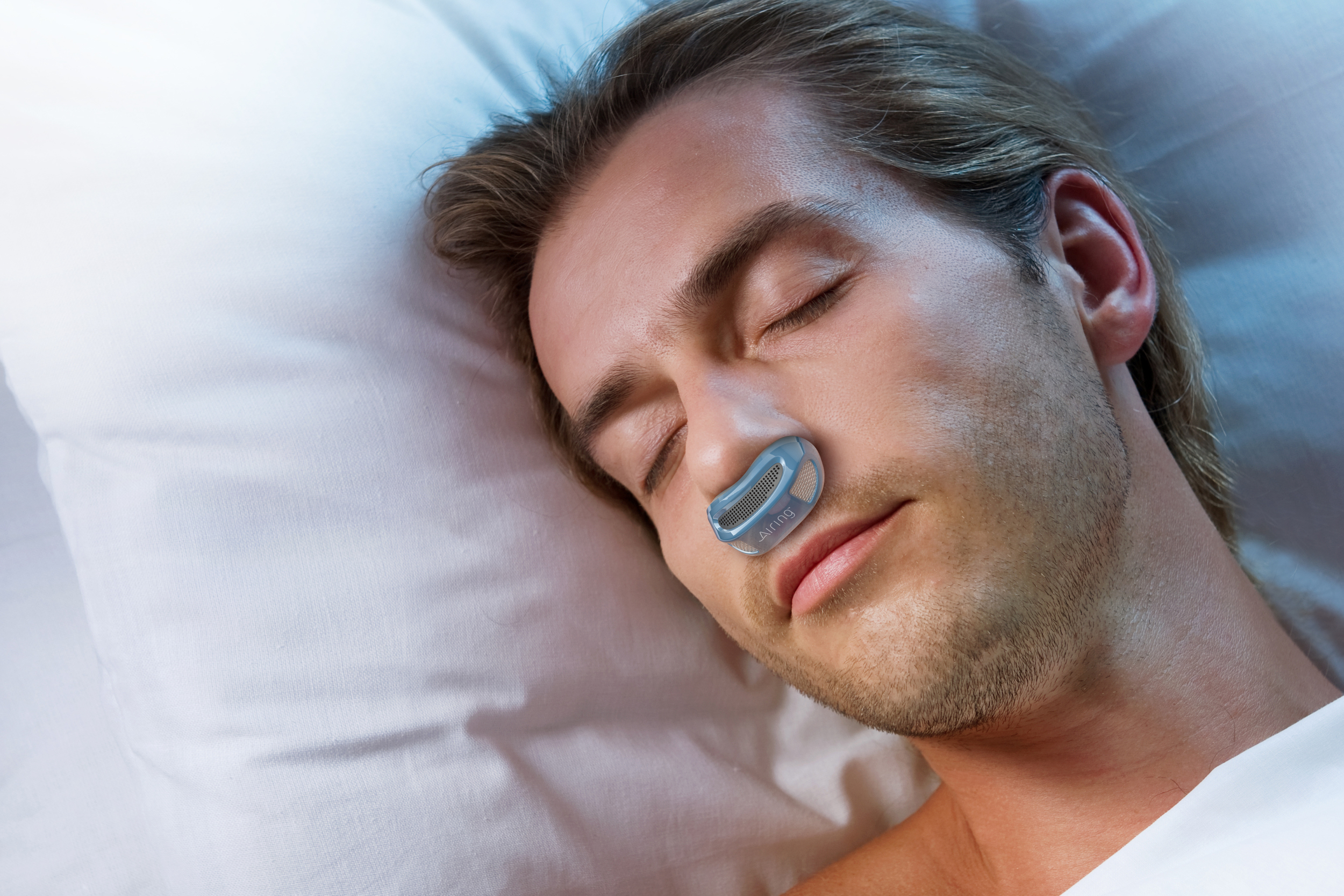
Airing is the company behind one of the earliest micro-CPAP prototypes. It adheres to the nose with small inserts and is designed to create airway pressure while staying in place.
That said, robust clinical data supporting micro-CPAP devices for OSA treatment are missing.
Is Airing an effective treatment for sleep apnea?
Claims from Airing that their device significantly reduces or eradicates snoring need more scientific validation.
Micro-CPAP devices do not generate the continuous airway pressure that conventional CPAP machines provide, which leads some experts, including Rochester Regional Health, to consider them ineffective as an OSA therapy.
Until these gadgets undergo clinical trials, it’s unclear whether a micro-CPAP can match the therapeutic effect of a traditional CPAP.
Are Airing’s micro-CPAP devices available to consumers?
The company has reportedly sought funding, but has not received FDA clearance.
Airing’s site suggests the regulatory review could be expedited because the device does not purportedly introduce a “new treatment” (Airing’s FAQs).
Conventional OSA treatments
If untreated, OSA can escalate into a serious, potentially life-threatening condition.
Physicians diagnose OSA based on symptoms like daytime sleepiness and mood changes, and they typically order tests that monitor breathing and heart rate during sleep.
Standard OSA management may involve one or more of the following approaches:
CPAP
Traditional CPAP is the first-line therapy for OSA.
CPAP operates by delivering air pressure through tubing connecting a machine to a mask, which helps keep the airway open. This supports breathing during sleep despite obstructive events.
Surgery
Surgery is generally a last-resort option when CPAP is ineffective or intolerable.
There are multiple surgical approaches aimed at enlarging or stabilizing the airway; clinicians will select a procedure tailored to the patient’s anatomy and needs.
Some surgical options include:
- tonsillectomy (removal of the tonsils)
- tongue volume reduction
- hypoglossal nerve stimulation (to control tongue position)
- palatal implants (supporting the soft palate)
- uvulopalatopharyngoplasty (reconstructive surgery of throat tissues)
- tracheostomy (surgically creating a neck airway)
Lifestyle adjustments
Behavioral and lifestyle measures can enhance OSA care.
A 2022 randomized clinical trial showed that weight reduction and lifestyle interventions in Spanish men with obesity helped lessen OSA severity.
Additionally, healthy lifestyle changes can improve overall quality of life.
Typical physician recommendations may include:
- regular physical activity
- quitting smoking or enrolling in cessation programs
- avoiding sedatives and sleep-promoting medications
- nasal decongestants when appropriate
- using a bedroom humidifier
- sleeping on your side
- avoiding alcohol before bedtime
Frequently asked questions
Do you need a prescription for a micro-CPAP device?
Micro-CPAP devices are typically sold over the counter and do not require a prescription.
By contrast, traditional CPAP machines require a medical evaluation and a prescription to obtain.
How much does a micro-CPAP device cost?
While conventional CPAP machines can cost between $500 and $1,000 out of pocket, micro-CPAP devices may be available for as little as $30.
Insurance often covers traditional CPAP machines well, and your plan might cover part or all of the expense. Check with your insurer for specific coverage details.
The Airing micro-CPAP is not yet on the market, so its retail price remains undetermined.
What other treatment alternatives exist?
The best OSA treatment depends on individual circumstances and your clinician’s guidance.
Other positive airway pressure therapies, such as BiPAP or APAP, are alternative options.
For information on minimally invasive ear, nose, and throat treatments like microsuction, consult specialty resources or your clinician.
The takeaway
While Airing is still pursuing FDA approval for its micro-CPAP devices, look-alike products are already being sold online.
Following a physician’s treatment plan is crucial, especially when managing OSA.
Effectively addressing sleep apnea usually requires a blend of medical treatments and lifestyle modifications — something no single device can achieve on its own.












Leave a Reply
You must be logged in to post a comment.