
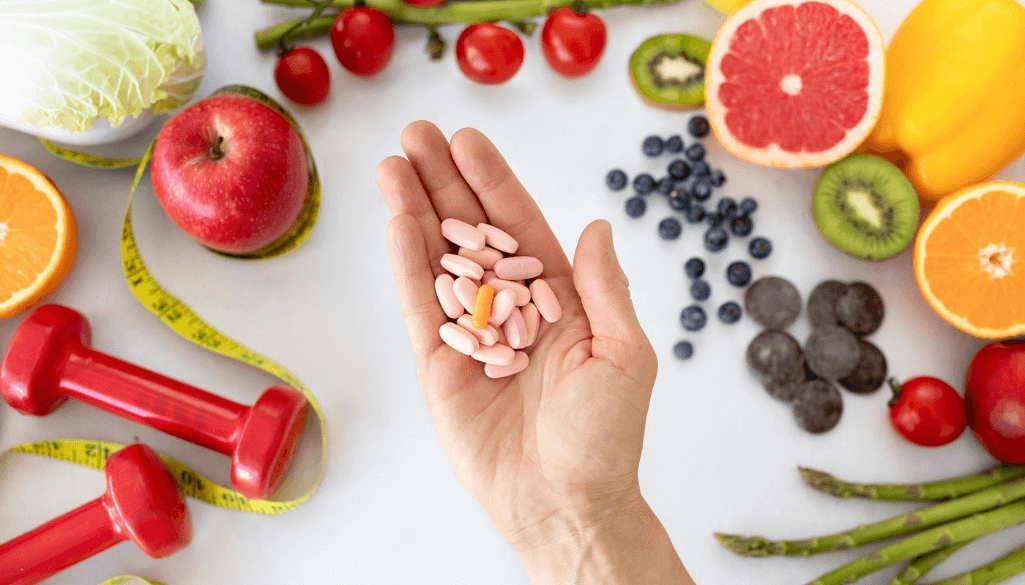

Wait, Are Vitamins Not Always Our Friends?
We all have that friend—or maybe it’s been you—stacking up on wellness gummies, superpowders, and rainbow-hued “immune boosters.” Vitamins feel like the ultimate do-gooders, right? But… what if you learned that, especially during a diverticulitis flare, some of those trusty pills can poke your poor gut when it’s already down?
I know—strange but true. There I was, blasted by a bad gut week, and those supposed-to-help vitamin C tablets just left me doubled over. Turns out, the world of vitamins to avoid with diverticulitis is a thing. Not everyone talks about it at brunch though, so let’s be honest, we’re figuring this out together.
How Did We Get Here? (Gut Problems 101, No Snooze-Fest)
If you’ve got diverticulitis, you know the drill: those little pouches (diverticula) in your colon get ticked off, and suddenly every meal is a risk and your vitamin shelf is suspect. For most folks, it creeps up with age, but what flips a random ache into a full-blown “cancel-everything” episode?
So, What Sets It Off… And Why Do Vitamins Matter?
Flare-ups can pop out of nowhere—sometimes after a weekend of low-fiber, sometimes when you’re stressed-out and reaching for whatever pills promise relief. Some supplements? They’re sneakier than you’d expect—they might trigger bloating, cramps, and extra colon chaos when you least want it.
The Most Common Symptoms (a.k.a. Why I Avoid Brunch During Flares)
- Sharp, stubborn pain on the lower left (it’s almost always the left, right?)
- Weird, balloon-like bloating
- Sneaky fevers or chills
- Bathroom mysteries (nausea, changes in stool… you know the deal)
And just to keep things even more interesting, meds and even seemingly innocent vitamins can add drama to the mix. I didn’t believe it either… until it happened to me. My own brother tried to “just keep up his energy” with a high-strength iron supplement mid-flare. Two days later? He said it felt like swallowing rocks.
The Hidden Offenders: Which Vitamins to Avoid (And Why)
You already know about problematic foods—if not, you can sneak a peek at this list of 7 foods to avoid with diverticulitis. But vitamins? Here’s the honest rundown… you don’t have to throw out the whole bottle collection, but strategic pausing will probably do your belly a world of good.
Why Can Vitamins Upset Diverticulitis?
It’s sort of wild: you’re taking them to feel better, but in large doses or the wrong forms, some supplements actually crank up the pressure and inflammation in a sensitive gut. Your colon doesn’t need extra work while it’s healing, trust me.
Table: The Big “Uh-Oh” List
| Vitamin/Supplement | Why It’s a Problem | Real-Life Swap |
|---|---|---|
| High-Dose Vitamin C | More than 2,000 mg/day causes diarrhea, cramps, and stomach acid burn—ouch. | Stick to under 500 mg; go for actual oranges over supplements if possible. |
| Niacin (Vitamin B3) | High doses can mimic a flare: nausea, belly pain, even “hot flush” sweats. | Get it via food like chicken or tuna. Skip heavy-duty B-complex pills during a flare. |
| Iron Supplements | Most iron pills are harsh and constipating, just what you don’t need with diverticulitis. | Try gentle “food-based” iron, spinach, or talk to your doc for a better alternative. |
| Multivitamins with Stimulants | Ginseng, caffeine, or “energy herbs” can kick your gut’s nerves and worsen cramps. | Basic, “bland” multis—skip the jazz. |
| Fat-Soluble Vitamins (A, D, E, K) | Too much can build up (they’re stored in your body), leading to nausea or gut discomfort. | Stick to food sources and only supplement if prescribed by a pro. |
| Laxative Magnesium Forms | Magnesium citrate/oxide can lead to diarrhea, not ideal mid-flare. | If you need magnesium, try magnesium glycinate instead. |
| Fiber Supplements (During Flare) | Things like psyllium bulk up stool and may make an angry colon angrier. | Pause these in a flare; phase them back in after healing, using real foods first. |
| Calcium Carbonate | Super constipating—one of those “hidden” triggers. | Calcium citrate is usually gentler on the gut. |
See? It’s not all vitamins. Just the ones that come on a little too strong. According to specialist guidance, dialing back the tough stuff, especially during a flare, is a simple win for comfort and recovery.
What About Magnesium? I Thought It Was Good?
It is… but—and there’s always a but—not all magnesium is created equal. Laxative forms (think “lemony cleanse powders” or certain antacids) can set off a thunderstorm in your colon. My aunt learned this the hard way; her “gentle” supplement doubled her bathroom trips until she swapped it out for magnesium glycinate.
Do All Multivitamins Cause Trouble?
Short answer: Not necessarily! But read those labels closely. Some multis sneak in the high-dose offenders, or throw in extra herbal “energy” that’s less than helpful. If you find yourself obsessing over every ingredient (guilty), you’ll want to check out can I take multivitamins with diverticulitis for the down-to-earth scoop.
Should You Ever Pause Supplements?
When your colon is in meltdown mode, it’s not the time to compete for the “most supplements in a day” prize. The advice is usually: finish the flare, then rebuild vitamins under your provider’s watchful eye. Meds, especially antibiotics, can interact with certain vitamins too—so always keep your doctor in the loop.
On the plus side, there’s growing evidence that getting enough vitamin D might actually be protective long-term, but this doesn’t mean taking handfuls is the key. Moderation, always.
Smart Swaps: What to Do Instead When You Need Nutrition
Here’s the fun part: Instead of suffering through another day of “supplement roulette,” you can focus on food and self-care that genuinely soothes a sore gut. (And isn’t that what we all secretly want?)
During a Flare: Less Is More
Your gut wants rest, quiet, and no drama. Most docs suggest a “clear liquid” phase at first: broth, gelatin, plain yogurt, smoothies, herbal teas. It’s boring but gentle. Plan for a few days of minimal action, then slowly reintroduce bland, low-fiber foods, and as you heal, start to ramp up fiber naturally.
Want a rundown of food dos and don’ts? Bookmark 7 foods to avoid with diverticulitis to keep handy when meal planning. It’s saved me more than once.
My Favorite Comfort Fix: “The Gut Reset Bowl”
A go-to during recovery: soft, plain oatmeal, a dollop of banana (no skins!), and a dash of cinnamon. Simple, easy, and not a vitamin tablet in sight. Any meal that doesn’t send you running for the bathroom is a winner, right?
Once the Storm Passes: Rebuilding Gently
Once the pain eases and you’re back to your old self (well, almost!), it’s time to reclaim your nutrition—without the supplement blitz.
- Gradually layer in high-fiber foods—oatmeal, berries, pears (but peel the skins at first).
- Hydration, hydration, hydration. Fiber needs water, always. (Pro tip: “half your weight in ounces” per day is a good benchmark!)
- Avoid red meat and heavy cheeses, which can slow everything down.
- Talk to your provider before restarting supplements, especially if you’re juggling meds after a flare-up.
Want an honest take from someone who’s been there? A reader wrote me saying, “Building meals with real food and cautious fiber changed everything… but my first priority was always keeping the tummy happy, not hitting some textbook vitamin quota.” Spoken like a gut health legend.
Gradual Is Key—Slow and Steady Wins the Race
Sudden big changes (hi, ‘New Year, New Diet!’ types) can backfire. I learned to take new fiber and food routines at a gentle pace. Sometimes, a little extra patience is the best supplement you can give yourself.
Let’s Talk Triggers: Listen to Your Body!
This is where things get super personal. Everyone has that “one thing” that sets them off (for some, it’s stress, for me? Dried fruit—go figure). Keep a little log: How do you feel after that supplement? That high-protein bar? A new food? Patterns pop up faster than you’d think.
Take time to check in with your doc about your supplement basket and use real-life experience as your guide. If you’re thinking “but I LOVED my 2,000 mg vitamin C fizzy drinks…” I feel you. Maybe save them for healthy weeks, not for flare-ups.
More than ever, I lean on the advice from can I take multivitamins with diverticulitis and those food lists to keep my cravings and comfort in check.
Are There Any Supplements That Might Help?
Honestly, most folks do fine with food-based nutrition when things are calm. Think sunshine for vitamin D, eggs and greens for B vitamins, and sweet potatoes for a bit of A. If you’re feeling tired or depleted, that’s your cue to have a chat with your provider. Don’t DIY it during a flare—the risk isn’t worth it.
The Takeaway: Keep Your Gut—and Sanity—Happy
So here’s the power move: Next time your gut’s flaring up, take a breath, skip the supplement surprises, and focus on real, gentle nutrition. The most important vitamins to avoid with diverticulitis include high doses of vitamin C, niacin, iron pills, stimulant-packed multis, and some mineral offenders. When in doubt, food first, supplements second—and only after that green light from your care team.
Remember, you’re not alone, and your body knows how to heal if you give it some patience (and maybe fewer mystery tablets). Keep those “what works for me” notes handy, listen to your gut (literally), and don’t hesitate to re-check this list of 7 foods to avoid with diverticulitis when you need a friend in your corner.
Got a vitamin or food story that surprised you? Or maybe just survived a week on clear liquids and want some solidarity? Share your wins and “oops” moments below—because honestly, this journey is a lot easier with a few friends who get it. Your gut—and your future self—will thank you.















Leave a Reply
You must be logged in to post a comment.