

- Hair thinning on the legs can stem from many causes, including aging, heredity, or medical issues like peripheral artery disease or thyroid imbalances.
- A medical professional can identify the reason for leg hair loss by reviewing your history, performing bloodwork, and conducting a physical exam, and may send you to a dermatologist for specialized care.
- Treatments for leg hair loss depend on the underlying reason and might include nutritional supplements, topical therapies, or hormone replacement approaches.
When people mention hair loss, or alopecia, they usually picture losing hair from the scalp or face. Although scalp hair loss is most noticeable, you can experience hair loss on almost any area of the body — including your legs.
Gradual thinning of leg hair is a frequent part of aging for both sexes. But if you observe a sudden or significant amount of leg hair coming out at once, you should consider consulting a healthcare provider.
Common causes of hair loss on legs
Long-term or permanent hair loss happens when individual hairs fall out of follicles and the follicles fail to regenerate new hairs. Follicles are the tiny skin structures that house hair roots.
With advancing age, leg hair often becomes finer and may shed. This pattern is more likely when there is a family history of similar hair thinning.
Alopecia areata, an autoimmune condition that causes chronic hair loss, can also be inherited. In alopecia areata, the immune system targets the cells responsible for hair production.
This disorder most frequently affects the scalp, producing patchy hair loss. Widespread loss across the body is possible and is known as alopecia universalis.
Anterolateral leg alopecia is the term used when hair loss on the legs is mainly located along the front and outer portions.
Leg hair loss can be associated with other conditions or complications, such as:
- peripheral artery disease (PAD)
- diabetes, which increases PAD risk
- chronic dermatitis from eczema, psoriasis, or other inflammatory skin disorders
- thyroid disorders, particularly hypothyroidism
- fungal skin infections
- infected hair follicles
- severe folliculitis
- hormonal shifts, for example during pregnancy or menopause
- pituitary gland abnormalities
Additional possible contributors to leg hair loss include:
- nutritional deficits such as low iron, zinc, or vitamin D
- use of steroids
- elevated stress levels
- friction from tight pants or socks
- certain prescribed drugs, like anticoagulants
- physical trauma related to recent illness, injury, or major surgery
There are many reasons leg hair may thin. When an underlying systemic condition is responsible, hair loss often appears on other parts of the body as well. Exceptions can include causes specific to the legs, such as PAD or constant rubbing from clothing.
Diagnosis of hair loss in the legs
Only a clinician can determine whether leg hair loss is a symptom or an isolated condition. They will likely review your medical background and order blood tests to check for nutritional shortages, thyroid dysfunction, or other underlying causes.
Because many triggers of leg hair loss also affect hair elsewhere, a doctor will typically perform a comprehensive physical exam to search for hair thinning in other body regions. They’ll also examine the skin for rashes, infections, or signs of dermatologic disorders that might explain leg hair loss.
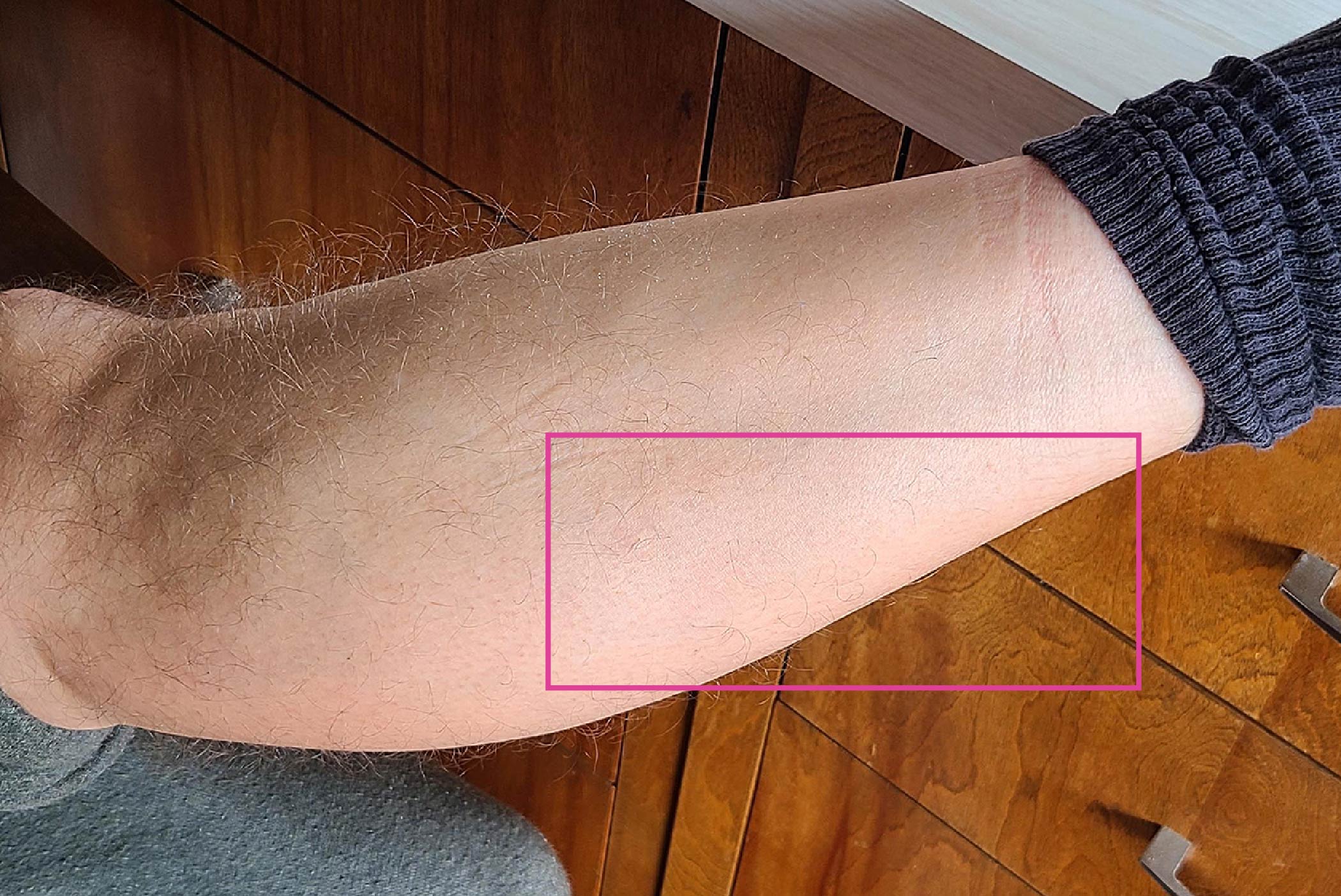
Depending on findings, your provider may refer you to a dermatologist, a specialist in skin and hair diseases.
If PAD is suspected, your clinician may evaluate risk factors such as:
- diabetes
- high cholesterol
- elevated blood pressure
Treatment of hair loss in the legs
Therapy for leg hair loss is guided by the root cause.
Potential treatments for hair thinning on the legs include:
- dietary changes or supplements to address nutritional deficiencies
- corticosteroid injections or topical agents to reduce inflammation
- hormone replacement therapy, for instance levothyroxine (Synthroid) for hypothyroidism
It’s essential to identify the cause of hair loss prior to trying home remedies or over-the-counter treatments.
When to see a doctor
Although leg hair thinning can be related to chronic issues, some underlying causes require timely medical evaluation.
Seek medical care if leg hair loss occurs along with any of the following:
- painful or extensive rashes
- pain
- numbness
- severe inflammation
- open sores
- infections
- skin that feels cool and appears pale
- muscle wasting
Takeaway
Hair loss is a multifaceted issue. Mild leg hair thinning may be temporary and related to stress, life events, or other short-term factors. Nevertheless, if leg hair loss is sudden, widespread, or accompanied by pain, you should consult a healthcare professional.




















Leave a Reply
You must be logged in to post a comment.