
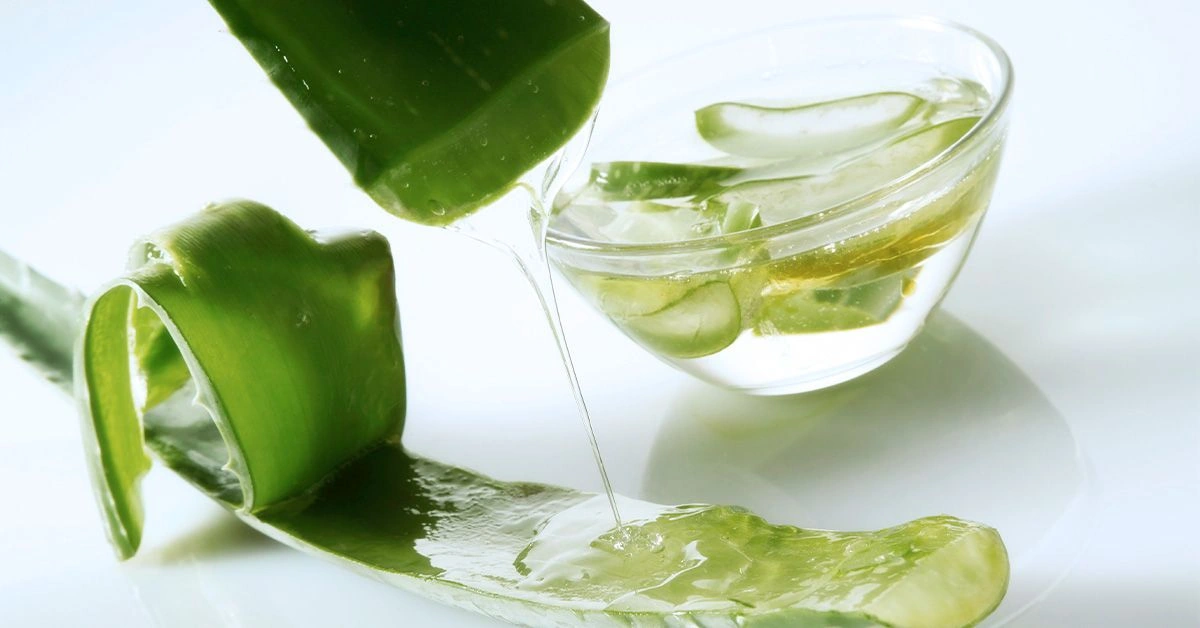
Aloe vera is a succulent plant that thrives in sunny regions worldwide. The thick leaves hold a clear gel prized for its many uses in natural remedies.
Most commonly used to soothe sunburns and minor skin wounds, aloe vera is now being explored for additional health advantages.
Thanks to its hydrating qualities and nourishing vitamins, aloe vera has become a go-to for treating dry hair and skin. Studies suggest it may help relieve dandruff and that compounds in the plant could support healthier hair.
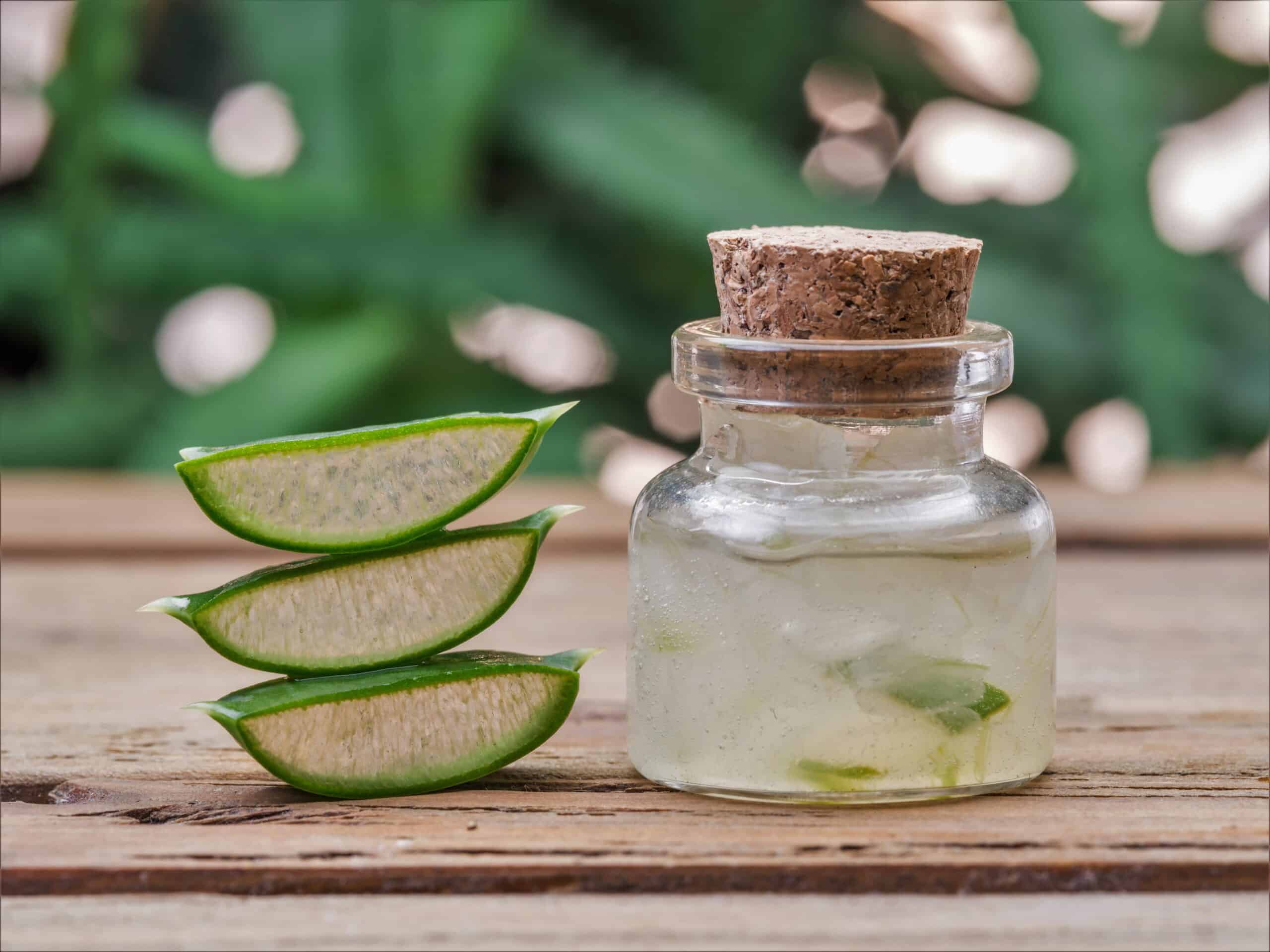
Below we examine the advantages of incorporating aloe vera into a hair mask, provide recipes and directions for making one, and outline other ways you can use this natural ingredient for your hair.
The advantages of using aloe vera in a hair mask
There’s limited research focused specifically on aloe vera’s effects on hair. Still, studies indicate aloe vera may be helpful in several ways because of its:
- anti-inflammatory properties that can ease scalp irritation
- moisturizing action
- enzymes and fatty acids that may reduce inflammation
- vitamins C, E, B-12, folic acid, and choline that could help nourish and fortify hair
Is aloe vera suited to a specific hair type?
There’s no clear evidence that aloe vera is best for one hair type over another. Hair professionals, however, might suggest aloe vera if your hair is:
- prone to oiliness
- dry, brittle, or damaged
- curly
- natural (unprocessed)
Testing aloe vera gel on your hair is likely the simplest way to determine if it benefits you. The gel can leave a slight film, so make sure to rinse thoroughly after using it as a conditioner or mask.
How to prepare an aloe vera hair mask
A hair mask is a leave-on treatment designed to provide deeper conditioning and repair.
Because masks typically contain more oils and conditioning agents than regular conditioners and are left on longer, they can deliver more intensive repair and nourishment than routine products.
You can buy many masks in stores or online, or make a DIY version at home.
A simple, effective combination is aloe vera gel mixed with coconut oil. Coconut oil can add softness, luster, and strength to hair, and may help control frizz.

Below are step-by-step directions to make this mask.
DIY aloe vera and coconut oil hair mask
- Assemble your ingredients: 2 tbsp. aloe vera gel (fresh or store-bought) and 1 tbsp. oil. If using coconut oil, choose virgin coconut oil at room temperature. If solid, gently warm it in the microwave until liquid.
- Blend the oil and aloe vera until you have a smooth, uniform paste.
- Protect your clothes with a towel or an old shirt.
- Apply the mask with your fingers. For long hair, dividing into sections can make application easier.
- Start at mid-length and work toward the ends. After coating the ends, you can return to apply to the scalp. If treating dandruff, begin at the scalp.
- Comb your hair with a wide-toothed comb to distribute the mask evenly.
- Cover your hair with a shower cap or plastic wrap and wrap a towel around your head. This prevents dripping and helps retain moisture; a warmed towel may boost conditioning effects.
- Leave the mask on for 30 minutes; you can extend up to an hour for deeper conditioning.
- Rinse thoroughly. You’ll likely want to wash your hair afterward to remove any filmy residue from the aloe vera.
- You can substitute this mask for your regular conditioner up to once a week to enhance hair health.
Note: Double the quantities for longer or thicker hair.
Recipe variations
There are many ingredients you can pair with aloe vera in hair masks. Here are two alternative recipes to try.
Aloe vera and apple cider vinegar
This blend may help with a flaky, itchy scalp, as some people find apple cider vinegar useful for dandruff.
Combine:
- 4 tbsp. aloe vera gel
- 2 tsp. apple cider vinegar
- 1 tsp. honey, optional (honey helps seal in moisture and has smoothing properties)
Use the same application method as the aloe-coconut mask, with these changes:
- Apply beginning at the scalp.
- Rinse after 20 minutes.
- Use this mask every other week.
Aloe vera and yogurt
A 2017 study suggests probiotics in yogurt might also help with dandruff.
Select plain, unsweetened full-fat Greek yogurt. Mix:
- 2 tbsp. yogurt
- 2 tbsp. aloe vera gel
- 2 tsp. honey, optional
Apply as described earlier, but do not leave on longer than 20–30 minutes. For optimal results, use weekly.
Any risks to be aware of?
Applying aloe vera to the scalp is generally safe, though some individuals may have an allergic reaction. People allergic to garlic or onions are more likely to react to aloe vera.
If you haven’t used aloe vera before, perform a patch test by applying a small amount to the inner elbow or wrist.
If no redness, itching, or swelling appears within a few hours, it’s probably safe to use on your hair.
If you’re using topical steroids like hydrocortisone, consult a healthcare professional before using aloe vera nearby, since aloe can increase absorption of those medications.
Other ways to use aloe vera on hair
Aside from a 1999 study suggesting aloe vera’s effectiveness for dandruff, research on other hair benefits is sparse. Still, anecdotal reports show aloe vera gel is frequently used to:
- condition and strengthen natural hair
- support hair growth
- define and smooth curls
- seal in moisture
- reduce frizz
- help detangle
Where to source aloe vera
Aloe vera is easy to find. In sunny, arid climates it’s often grown outdoors, or you may know someone who has a plant. Many natural food stores sell pre-cut leaves.
The purest gel comes from extracting it yourself from fresh leaves. You only need a knife, a bowl, and some counter space to scoop out the gel.
Store fresh gel in a sealed container in the refrigerator for up to a week, or freeze portions for longer storage.
If fresh leaves aren’t available, you can buy aloe vera gel at drugstores or online.
When buying prepared gels, check ingredient lists: many products include fragrances, herbs, thickeners, or medications that might not be ideal for hair. Look for formulations with minimal added ingredients.
Final thoughts
While aloe vera is well known for soothing sunburns, it also has applications for hair care.
Though scientific evidence for hair benefits is limited, aloe vera is a popular addition to masks and conditioners for its potential to moisturize, strengthen, smooth, and repair hair.
If you want to try a homemade mask, consider incorporating aloe vera. Perform a patch test first if you’ve never used the gel to ensure you don’t have an allergic reaction.

















Leave a Reply
You must be logged in to post a comment.