
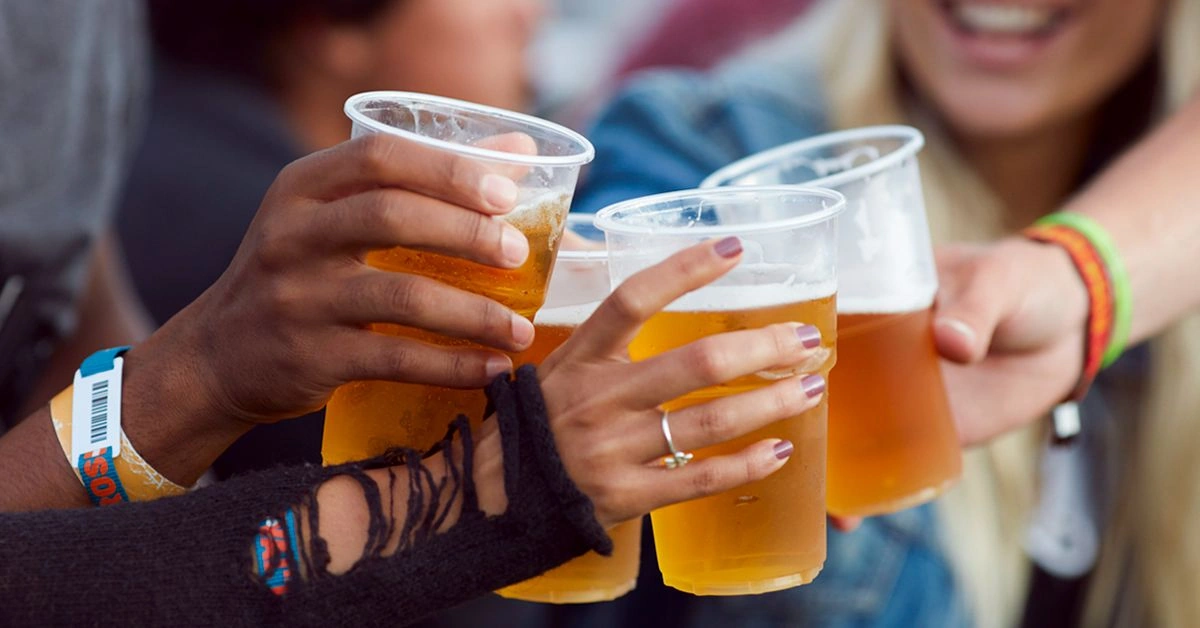
Alcohol typically begins to take effect in roughly 10 minutes, though this varies with the drink’s potency and the speed at which you consume it. Some impacts, such as changes to blood sugar for people with diabetes, may take longer to become fully apparent.
You may be surprised by how rapidly alcohol starts to act. The National Institute on Alcohol Abuse and Alcoholism notes that alcohol is absorbed into your bloodstream from the moment you sip it. Initial effects usually appear within about 10 minutes.
.jpeg)
The intensity and specifics of those effects differ between individuals, but the early effects of alcohol begin fairly quickly, even if you don’t immediately perceive them.
First, a note about the standard drink
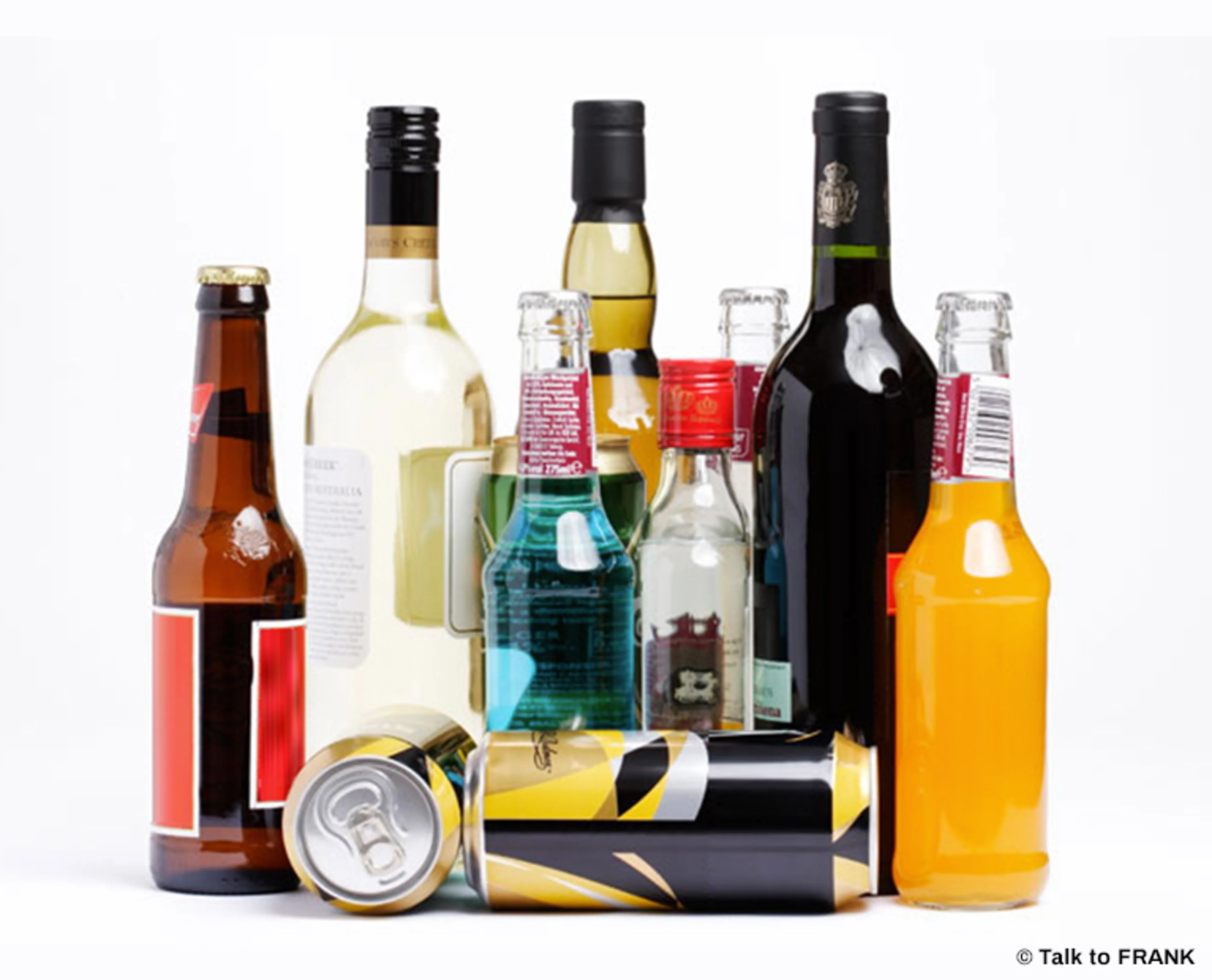
Health professionals often describe alcohol consumption using the concept of a standard drink. Because alcohol content varies widely across beverages and brands, a common reference helps keep discussions consistent.
In the United States, one standard drink contains roughly 0.6 ounces, or 14 grams, of pure alcohol.
Common standard drinks
The following are each considered one standard drink:
- 12 ounces of regular beer
- 8 to 9 ounces of malt liquor
- 5 ounces of table wine
- 3 to 4 ounces of fortified wine, such as port or sherry
- 1.5 ounces of distilled spirits, like vodka or whiskey
Does it matter if I’ve eaten?
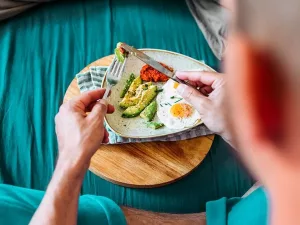
Your body absorbs alcohol into the bloodstream much more rapidly when you drink on an empty stomach.
After you swallow, the beverage moves into your stomach, where about 20 percent is absorbed into the blood. The remainder passes into the small intestine, where most of it is taken up into circulation.
When food is present in the stomach, it slows the transfer of alcohol to the small intestine. The longer alcohol remains in the stomach, the slower its effects will appear.
Drinking without having eaten speeds up this entire process. That makes the effects stronger and quicker. Blood alcohol concentration (BAC) typically peaks about 1 hour after drinking on an empty stomach.
What else plays a role?
The amount you drink and whether you’ve eaten aren’t the only things that determine how fast alcohol affects you.
Below are other factors that influence onset and intensity.
What you drink
The beverage type influences absorption speed. Carbonated drinks — like champagne or a whiskey and soda — enter your system more rapidly. That means such drinks tend to hit sooner.
On an empty stomach, beverages with about 20 to 30 percent alcohol are absorbed the quickest.
So, a fortified wine such as port (around 20% alcohol) will raise your BAC faster than beer (which is much lower), and even faster than higher-proof spirits like vodka (around 40%), due to differences in absorption dynamics.
How you drink
The manner of drinking matters. Chugging a drink delivers a larger volume of alcohol into your body quickly. Sipping spreads absorption out, so effects develop more gradually.
Your biological sex
Women metabolize alcohol differently than men, even at the same body weight.
Reasons include:
- Women generally have less body water to dilute alcohol, creating a higher blood alcohol concentration.
- Women usually carry a greater proportion of body fat, and fat retains alcohol.
- Women produce lower amounts of alcohol dehydrogenase, the enzyme the liver uses to break down alcohol.
Your weight
The more you weigh, the more volume alcohol has to disperse into. Spreading alcohol across a larger volume results in a lower BAC.
Medications
Some prescription and over-the-counter drugs, herbal supplements, and recreational substances can dangerously interact with alcohol. Check with your doctor or pharmacist before drinking.
Your menstrual cycle
Surprisingly, alcohol absorption can fluctuate across the menstrual cycle.
Alcohol is absorbed more quickly during ovulation and in the days just before menstruation.
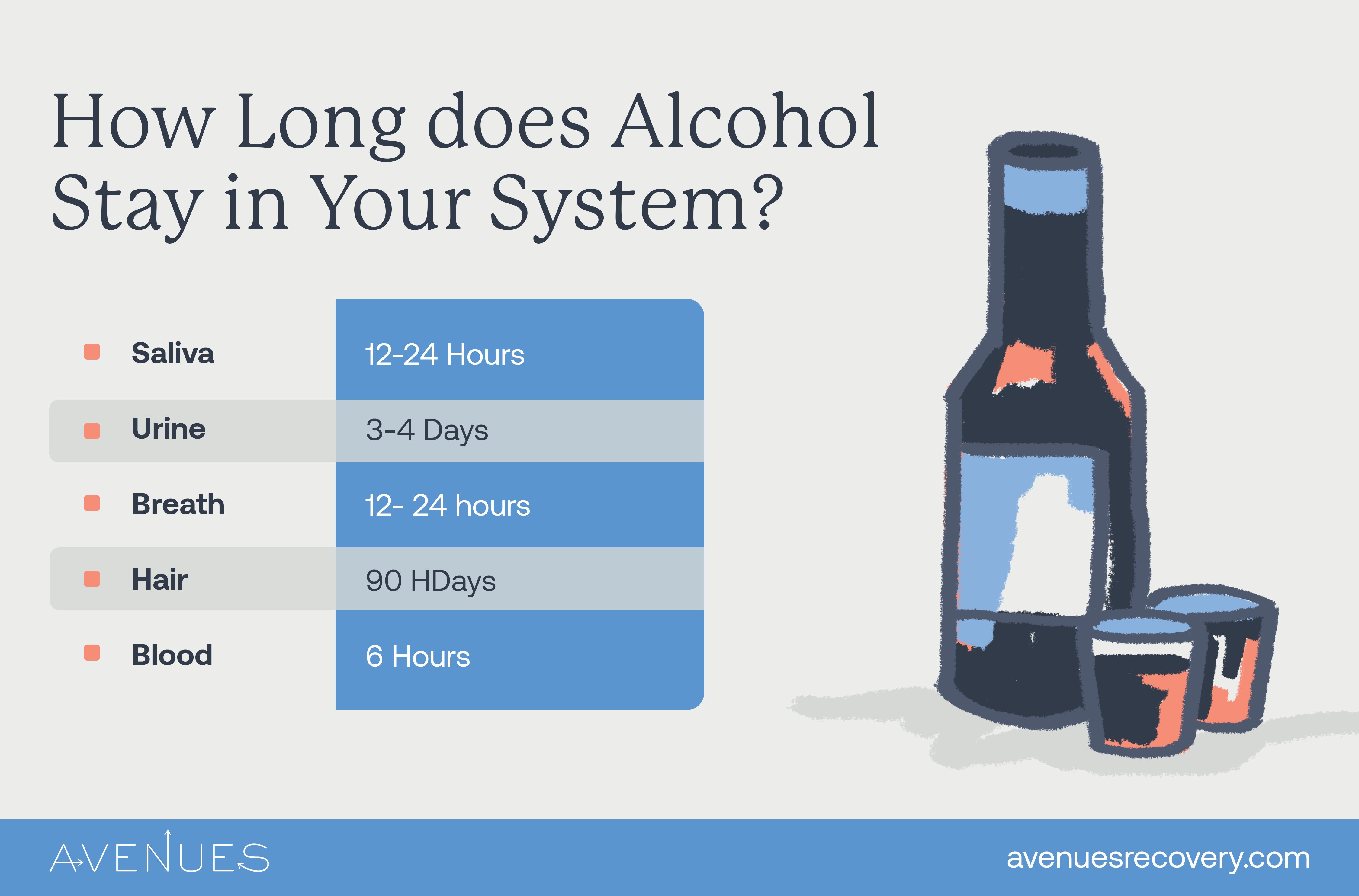
How long does it stay in your system?
That depends on many of the factors already mentioned and on how much alcohol you consumed.
Alcohol is cleared from the bloodstream at an approximate rate of 3.3 millimoles per hour.
To illustrate, here’s how long various drinks may remain detectable in your system:
- Small shot of liquor: 1 hour
- Pint of beer: 2 hours
- Large glass of wine: 3 hours
Tips to keep in mind
Nobody wants to overdo it. Here are some tips to avoid getting intoxicated too quickly:
- Eat at least 1 hour before drinking.
- Sip beverages slowly.
- Avoid shots, which are commonly downed rather than sipped.
- Limit consumption to no more than one standard drink per hour.
- Alternate alcoholic drinks with nonalcoholic ones, preferably water.
- Reduce or avoid carbonated beverages like champagne, sparkling wine, and soda-mixed cocktails.
- Sit while drinking, since standing often leads to faster drinking.
The bottom line
Alcohol starts to work fairly quickly. You’ll usually begin to feel effects within about 10 minutes, depending on the drink’s strength and how rapidly you consume it.









Leave a Reply
You must be logged in to post a comment.