
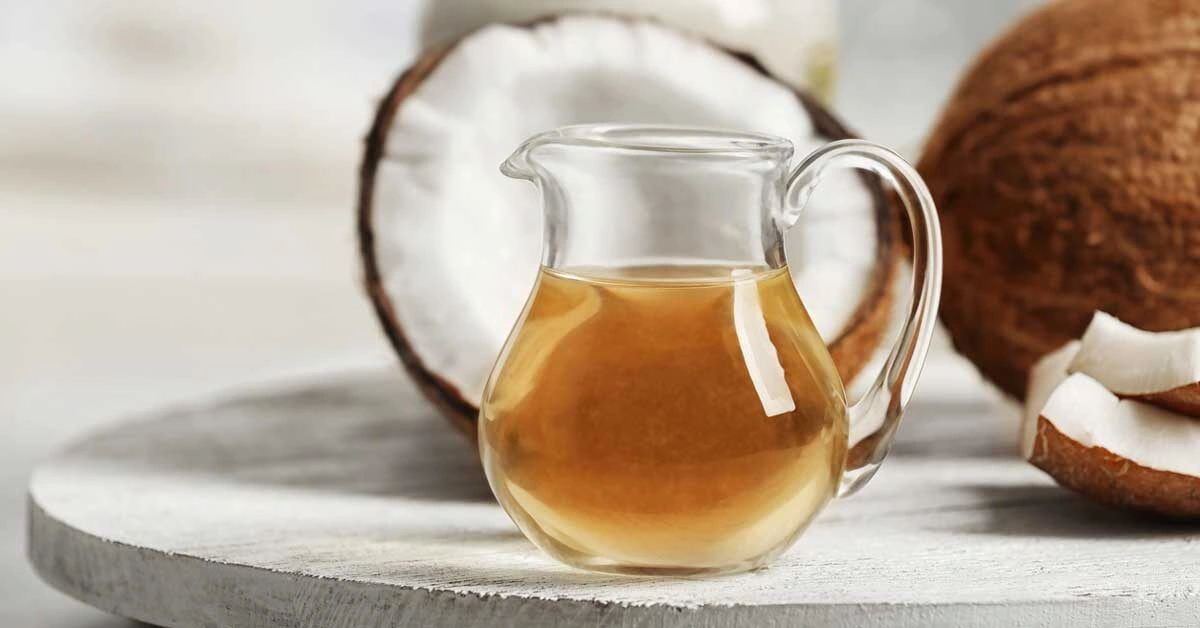
MCT oil can serve as a rapid source of energy and might aid in weight management. It may also inhibit certain microbes and help in managing some neurological disorders.
Medium-chain triglyceride (MCT) oil is a refined product derived from coconut or palm kernel oil. MCTs occur in other foods as well, including dairy items.
As the name implies, MCT oil is composed of medium-length fatty acid chains called triglycerides. Because these chains are shorter, the body may digest medium-chain fatty acids more quickly than the long-chain fatty acids present in many other foods.
Four principal medium-chain fatty acids are:
- lauric acid
- caproic acid
- caprylic acid
- capric acid
MCT oil is mostly composed of caprylic and capric acids.
Below are seven evidence-based reasons people might include MCT oil in their diet.
Consult a clinician before trying MCT oil
Before beginning MCT oil supplementation, speak with a healthcare provider, particularly if you have existing health issues. MCT oil can cause side effects and may interact with medications.
There is no official tolerable upper intake level (UL) for MCT oil. Some experts have proposed a practical upper limit of 4 to 7 tablespoons (60–100 mL) per day.

MCT oil may reduce daily calorie intake
MCT oil might help people eat fewer calories over the course of a day.
MCT oil contains about 10% fewer calories than long-chain triglycerides (LCTs), which are found in oils like olive oil and foods such as nuts and avocados.
A 2020 meta-analysis of 17 studies found a link between MCT intake and slightly lower calorie consumption. Those consuming MCTs had a modestly lower calorie intake compared with those consuming LCTs.
A 2014 review of earlier work indicated that MCT oil might promote the release of two satiety-related hormones, peptide YY and leptin. However, the 2020 analysis did not find a consistent association between MCTs and appetite hormones.
Nevertheless, a 2017 trial observed that participants who consumed 2 tablespoons of MCT oil at breakfast ate less at lunch compared with those given coconut oil.
The mechanism behind this possible effect remains uncertain. Some propose that MCT oil enhances satiety or suppresses appetite, leading to reduced food intake. Yet the evidence that MCTs lower appetite is limited.
Further research could clarify how MCT consumption affects total calorie intake.
MCT oil may influence weight and body composition
A 2015 review of 13 randomized controlled trials reported that MCTs supported small reductions in body weight, fat mass, and body size. The authors noted concerns about the quality of many studies and potential industry-related bias.
Another 2015 review of 11 trials reached similar conclusions and raised similar quality concerns.
Your body can convert MCTs into ketones, which act as an alternative fat-derived fuel when carbohydrate intake is low.
When following a ketogenic diet, using MCT oil may assist in maintaining ketosis — the metabolic state where the body primarily burns fat. While some studies indicate ketogenic diets can aid weight loss, their long-term effects are unclear.
People may respond differently to such diets.
MCT oil as a quick energy source
MCTs are absorbed more rapidly than long-chain triglycerides (LCTs), which have longer fatty acid chains.
Because of their shorter chain length, MCTs move faster from the intestine to the liver and don’t need bile for digestion like longer-chain fats do.
The liver can oxidize fats for energy or store them as body fat. Since MCTs enter circulation more easily without extensive breakdown, they can serve as an immediate fuel source.
On a ketogenic regimen, the liver may also convert MCTs into ketones. These ketones can cross the blood–brain barrier (the membrane that filters substances entering the brain), offering an alternative energy source for brain tissue.
MCT might promote fat oxidation during activity
Scientists have explored whether MCT oil can shift the body toward burning more fat and fewer carbs during exercise.
An older 2009 trial reported that athletes taking 6 grams (about 1.5 teaspoons) of MCTs with food before cycling relied more on fat than carbohydrates for energy compared with those given LCTs, although the difference was not statistically significant.
In a 2020 randomized trial, men who consumed MCTs burned more fat during exercise, while women did not show the same effect.
Overall, most research has not demonstrated large changes in how the body uses fat after taking MCTs.
Findings are also inconsistent about whether MCT oil improves exercise performance.
A 2011 animal study indicates an MCT-rich diet may not harm exercise capacity, unlike an LCT-rich diet, which could reduce it.
However, a 2022 review of 13 human trials concluded that MCT supplementation offered minimal or no benefit for exercise, showing no meaningful effects on energy metabolism or performance metrics.
MCT may aid certain neurological conditions
Some studies suggest MCT oil and ketogenic diets could be useful for conditions like cancer or insulin resistance linked to type 2 diabetes.
Other work indicates potential for managing epilepsy, Alzheimer’s disease, and autism spectrum disorder (ASD).
Keep in mind that MCTs are not substitutes for prescribed medications or professional medical care. Consult your physician before starting supplements, as they may cause side effects or interact with drugs.
Epilepsy
Although ketogenic diets have become popular for weight loss, they were originally developed to help control epilepsy, a brain disorder that causes seizures.
Research showed that fasting increases ketone production and that this may lower seizure frequency.
Because MCTs can be converted to ketones, they might help in epilepsy management.
Human studies on MCTs and epilepsy are limited, but in vitro and animal research shows encouraging signs, according to a 2021 review.
A small 2022 study involving adults with drug-resistant epilepsy reported an average 42% reduction in seizures after 3 months of MCT oil supplementation; however, additional studies are necessary to confirm this.
The specific type of MCT may matter. A 2013 lab study indicates certain MCT oils may have stronger anti-seizure effects than a commonly used anti-epileptic medication.
An older 2015 animal study found that a particular MCT blocked brain receptors involved in seizures; more human research is needed.
If you’re thinking about using a ketogenic diet or MCT oil for epilepsy, discuss it with your doctor first.
Also note that ketogenic diets can be hard to maintain and may not be appropriate for everyone.
Alzheimer’s disease
Alzheimer’s disease reduces the brain’s ability to utilize glucose effectively.
A ketogenic approach can supply ketones as an alternative brain fuel.
Research from 2018 suggests that when glucose is limited, ketones may help sustain brain cell function in Alzheimer’s. Prioritizing MCTs as the fat source in a ketogenic diet might allow a higher carbohydrate intake than a classic ketogenic plan while still producing ketones, potentially making the diet easier to stick with.
A 2020 trial found cognitive improvements in people with Alzheimer’s who were APOE ɛ4-negative after 30 days of MCT supplementation.
In another 2018 study, individuals with mild to moderate Alzheimer’s displayed increased brain ketone uptake when taking 30 grams of MCTs daily; their brains used ketones at rates similar to healthy young adults given MCTs.
Some researchers have suggested that 20 to 70 grams of supplemental MCTs containing caprylic and capric acids might modestly improve symptoms in mild to moderate Alzheimer’s.
A 2019 meta-analysis of 12 studies reported potential cognitive benefits from MCTs in Alzheimer’s, but more robust evidence is necessary.
Overall, MCT oil shows promise in Alzheimer’s care, but larger and longer trials are required.
Autism
Limited data indicate MCT oil might help reduce some autistic features in children.
When reviewing this area, it’s important to recognize that many autistic people do not endorse interventions designed to make individuals appear “less autistic.”
A preliminary 2018 pilot study reported that a ketogenic, gluten-free diet with MCTs notably reduced autistic behaviors in 6 of 15 children studied.
Other small trials summarized in a 2017 review indicate some potential for ketogenic diets, with or without MCTs, to lessen autistic behaviors. Yet more research is needed, and it is unclear whether such diets are safe or beneficial for autistic children.
Restrictive diets carry risks including nutrient deficiencies and impaired growth.
Additionally, sensory sensitivities often lead some autistic individuals to eat a narrow range of preferred foods. Adding further dietary limitations may be inappropriate and could result in poor nutrition.
Always consult a physician before changing a child’s diet or introducing supplements.
MCT fatty acids may inhibit yeast and bacterial growth
MCTs may exhibit antimicrobial and antifungal properties.
Some researchers propose anti-inflammatory actions could play a role, but more investigation is necessary.
A 2019 study found that supplementing formula and breast milk with MCT oil significantly reduced Candida albicans growth in the guts of premature infants. This yeast can cause thrush and various skin infections.
A 2013 lab study also showed coconut oil inhibited Clostridium difficile growth.
Coconut oil’s antimicrobial effects may stem from MCT components such as caprylic, capric, and lauric acids.
In a 2019 lab study, virgin coconut oil slowed Staphylococcus aureus growth and aided immune cell clearance of the bacteria. Staphylococcus aureus can cause skin and more serious infections.
However, most evidence for MCTs’ immune benefits comes from in vitro or animal studies. High-quality human trials are needed for firmer conclusions.
MCT may influence blood glucose control
Older trials suggest MCT oil could help people with diabetes or metabolic syndrome.
A small 2007 study of 40 people with diabetes found daily MCT oil intake reduced body weight, waist circumference, and insulin resistance compared with corn oil (LCT) consumers.
More recent research on MCTs and glucose regulation has produced mixed findings.
A 2022 review of 18 studies that looked at coconut oil (rich in MCTs) found that a meal with coconut oil might slightly improve post-meal blood glucose. Yet, long-term coconut oil use appeared to worsen insulin resistance.
A 2021 randomized trial following people with metabolic syndrome after 4 weeks of daily coconut oil intake reported lower fasting glucose and triglycerides and higher HDL (“good”) cholesterol, but also higher LDL and total cholesterol.
While MCTs might help blood sugar in some situations, additional evidence is required to draw definitive conclusions.
Possible downsides of MCT oil
Although MCTs are a widely used supplement, they have potential drawbacks.
MCTs may raise cardiovascular risk markers
Your diet influences heart health.
The types and amounts of fats circulating in your blood can affect cardiovascular risk. High levels of certain lipids are linked to greater risk of heart disease.
MCTs are saturated fats. Research shows MCTs can slightly raise triglycerides, and coconut oil is associated with increased LDL (bad cholesterol).
A 2020 analysis of 12 studies found similar results: compared with liquid plant oils, coconut oil may raise LDL cholesterol.
In these studies, HDL (“good”) cholesterol also rose. While higher HDL is often favorable, very elevated HDL has been associated with cardiovascular risks in some contexts.
Fewer trials have focused specifically on MCT oil. High blood triglycerides are linked to heart, stroke, and liver diseases.
Still, compared with animal fats, MCTs and coconut oil may promote a more favorable blood lipid profile.
Moreover, MCT oil’s potential to help reduce weight and fat mass could indirectly lower heart disease risk.
It’s too early to categorically classify MCTs as harmful or beneficial for heart health.
If you want to prioritize heart-healthy fats, plant oils like olive oil have stronger supporting evidence.
MCTs may increase hunger-stimulating hormones
If weight loss is your objective, increasing appetite is not desirable.
Although some think MCTs prolong satiety, they may also boost appetite-stimulating hormones in certain people.
A 2017 study in people with anorexia found MCTs raised levels of ghrelin and neuropeptide Y, two hormones that promote appetite.
Participants consuming more than 6 grams of MCTs daily produced greater amounts of these hormones than those taking under 1 gram daily.
This effect could be helpful for people needing to increase calorie intake, though it’s unclear whether hormone changes consistently translate into higher food intake.
Large amounts can cause liver fat accumulation and other adverse effects
High doses of MCT oil might increase liver fat over time.
An older 2017 12-week animal study showed that a diet where 50% of fats were MCTs increased liver fat in mice. That same study found MCTs lowered total body fat and improved insulin sensitivity.
Keep in mind that the very high MCT levels used in such studies are not recommended. More research is needed on long-term effects.
MCT oil lacks an official UL, but some researchers propose a safe upper limit of 4 to 7 tablespoons (60–100 mL) each day.
Even moderate amounts can cause gastrointestinal side effects for some people, including cramps, diarrhea, and bloating. Starting with small doses and gradually increasing can help minimize these issues.
MCTs are saturated fats and calorie-dense. The American Heart Association recommends keeping saturated fat to 5% to 6% of total calories for heart health — about 13 grams of saturated fat per day on a 2,000-calorie diet.
Generally, MCT oil should be counted as part of your total fat intake rather than added on top of it.
Frequently asked questions
What is MCT oil used for?
Many athletes and bodybuilders use MCT oil as a quick energy booster or to support weight loss efforts. It may also have applications in fighting infections, aiding certain neurological conditions, influencing cardiovascular risk factors, and more.
Is MCT the same as coconut oil?
MCT oil is not identical to coconut oil. It is often extracted from coconut or palm kernel oil and is present in smaller amounts in foods like dairy.
Does MCT oil reduce belly fat?
Some earlier studies indicate MCT oil may decrease waist circumference, but additional research is needed to confirm this effect.
Who should avoid MCT oil?
Individuals with heart or liver disease should consult their healthcare provider before using MCT oil, as it might worsen these conditions in some cases.
Bottom line
Medium-chain triglycerides may offer various health advantages.
Whole-food sources often provide added benefits beyond supplements.
Potential negatives include increased blood lipids and the possibility of liver fat accumulation.
Discuss the pros and cons of adding MCT oil to your diet with your physician or a registered dietitian.























Leave a Reply
You must be logged in to post a comment.