
About:
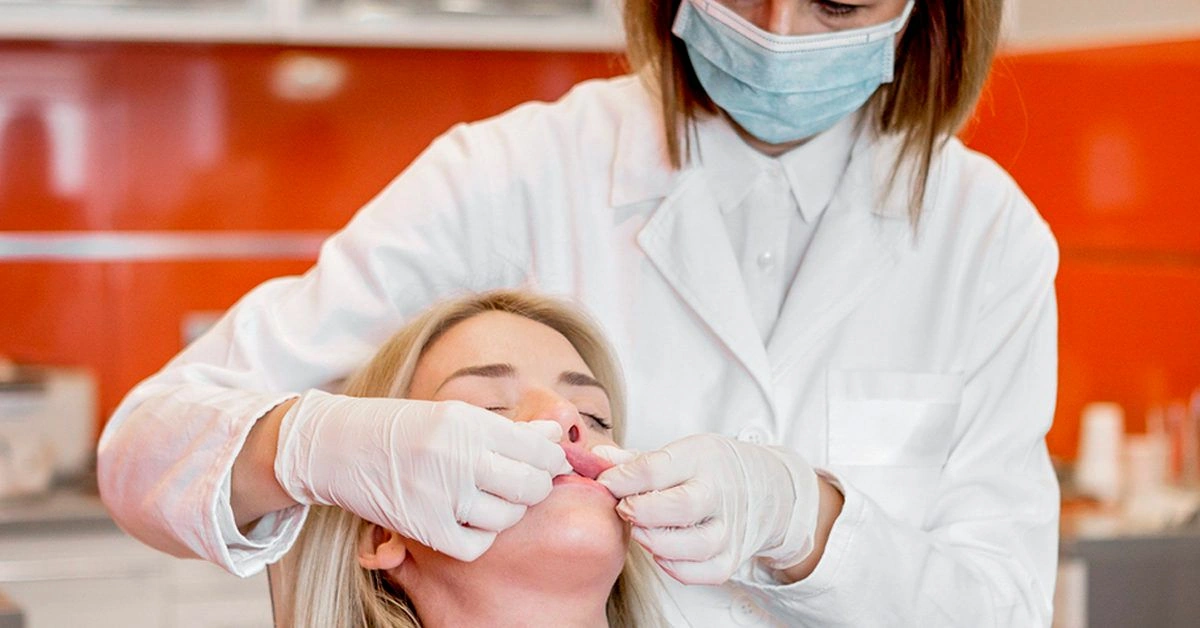
- Restylane is a collection of hyaluronic acid–based dermal fillers that help reduce wrinkles and add fullness to cheeks and lips.
- Hyaluronic acid is a natural component of skin, notably in connective tissues.
- It’s commonly applied to cheeks, lips, nasolabial folds, and areas around the mouth.
Safety:
- Restylane received U.S. Food and Drug Administration (FDA) approval in 2003.
- It is not intended for use in people younger than 21.
- Typical side effects include swelling, bruising, pain, itching at the injection site, and headache.
Convenience:
- The treatment is performed in a clinician’s office under local anesthesia.
- It usually takes under an hour, allowing you to go home immediately after.
- Recovery time is short—often less than a day—so most people can return to work right away.
Cost:
- Price varies with the number of syringes used. One syringe starts around $275. Most Restylane treatments range between $275 and $700.
- Restylane is an elective cosmetic service and typically isn’t covered by health insurance.
Efficacy:
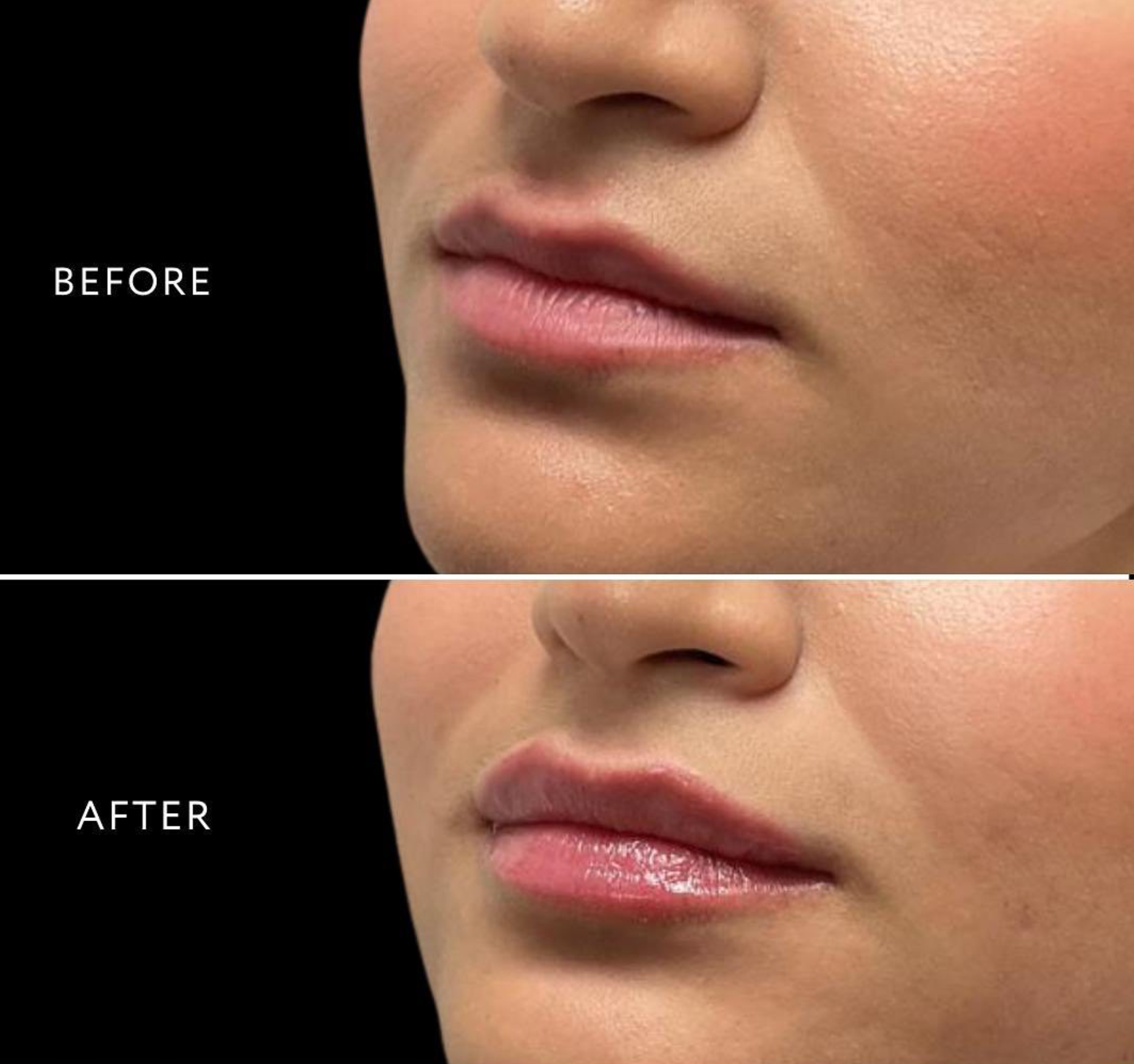
- Many patients notice results immediately because the added volume beneath the skin begins to smooth lines right away.
- Complete effects are often apparent within one to two weeks.
What is Restylane?
Restylane is a hyaluronic acid–based filler brand used to soften wrinkles. Different formulations of Restylane serve various purposes, such as:
- enhancing the lips
- treating lines around the mouth
- adding volume to cheeks
- reducing dark circles beneath the eyes
Because hyaluronic acid is naturally present in skin connective tissues, it’s a common choice in aesthetic procedures.
Most people are candidates for Restylane since the injections are straightforward and recovery is brief.
You should avoid Restylane if you are:
- allergic to bacterial protein
- immunocompromised
- on blood-thinning medications
- pregnant or breastfeeding
- under 21 years old
How much does Restylane cost?
Pricing for Restylane varies depending on the treatment area and the number of syringes needed. Restylane is usually sold per syringe, starting at about $275.
Most treatments fall between $275 and $700. Because it’s a cosmetic enhancement, it’s generally not covered by standard health insurance.
Some clinics offer financing options or payment plans to spread out the cost.
How does Restylane work?
Restylane functions by adding volume beneath the skin in areas where collagen and other tissues have diminished. This lifts and smooths the surface, producing a fuller appearance.
The hyaluronic acid in Restylane binds to your tissues and the water associated with HA creates the volumizing effect. It also attracts additional moisture, helping sustain the added fullness.
Procedure for Restylane
Restylane injections are a relatively simple cosmetic procedure. They are performed in a practitioner’s office without surgical incisions and typically use local anesthesia to reduce discomfort.
Depending on the extent of treatment, injections may take just a few minutes up to about 30 minutes.
The steps of the procedure commonly include several stages:
- Your provider will identify and cleanse the injection sites with an antiseptic.
- Your provider will determine the quantity of Restylane required.
- Your provider will inject Restylane beneath the skin into the targeted areas using a very fine needle.
Targeted areas for Restylane
There are multiple Restylane formulations tailored to specific facial regions. These fillers can be used for lips, cheeks, facial folds, and other wrinkles. While all are hyaluronic acid-based, each is formulated for particular needs.

- Restylane Silk was the first FDA-approved filler aimed at lip enhancement and lines around the mouth.
- Restylane Lyft is designed for cheek augmentation, midface contouring, and issues like nasolabial folds, offering increased volume.
- Restylane is used for facial folds and wrinkles, lip enhancement, and tear troughs (the hollowed area beneath the eyes).
- Restylane Refyne targets dynamic wrinkles that extend from the nose to the mouth corners.
- Restylane Defyne also addresses lines around the nose and mouth with a slightly firmer formulation.
Because there are different Restylane options for various facial areas, discuss your aesthetic goals with your provider so they can select the best filler for you. If you’re comparing lip fillers, you might also find a helpful comparison at restylane vs juvederm lips.
Are there any risks or side effects?
As with any treatment, Restylane carries possible risks and side effects. Potential complications include:
- bruising or bleeding at the injection site
- infection
- allergic reactions
- irregularities in filler distribution (for example, uneven firmness)
Common side effects may include:
- pain or itching where injected
- swelling
- bruising
- headache
- tenderness
These effects usually subside within 7 to 18 days, depending on the treated area.
People taking anticoagulants are often advised against fillers like Restylane. If you’ve had significant reactions to medications previously, discuss this with your clinician to determine if Restylane is appropriate for you.
What to expect after Restylane
Recovery varies by individual and depends on how many injections were administered and where they were placed. Expect some redness, swelling, or bruising that may take about a week to resolve. Limiting sun exposure after treatment can reduce additional swelling or bruising.
You can usually return to work shortly after the procedure, though if you had multiple injection sites you might prefer to rest for a day.
Immediate improvement is typical because the filler adds volume right away, while full results are generally visible within a week.
Restylane is a temporary filler, so maintaining results requires repeat treatments. Depending on the specific Restylane product used, effects can last from about 6 to 18 months. Once fully healed, you can resume normal activities without restriction.
Preparing for Restylane treatment
To reduce bruising risk, stop taking the following about two weeks prior to your appointment:
- aspirin
- vitamin E
- fish oil supplements
- ibuprofen (Motrin)
- St. John’s wort
Using arnica, available over the counter at pharmacies or health food stores, before and after the procedure may help lessen bruising and swelling.
How to find a provider
Choose a clinician experienced in administering Restylane and with a background in facial fillers. You can locate a trained specialist on the Restylane website here.



















Leave a Reply
You must be logged in to post a comment.