
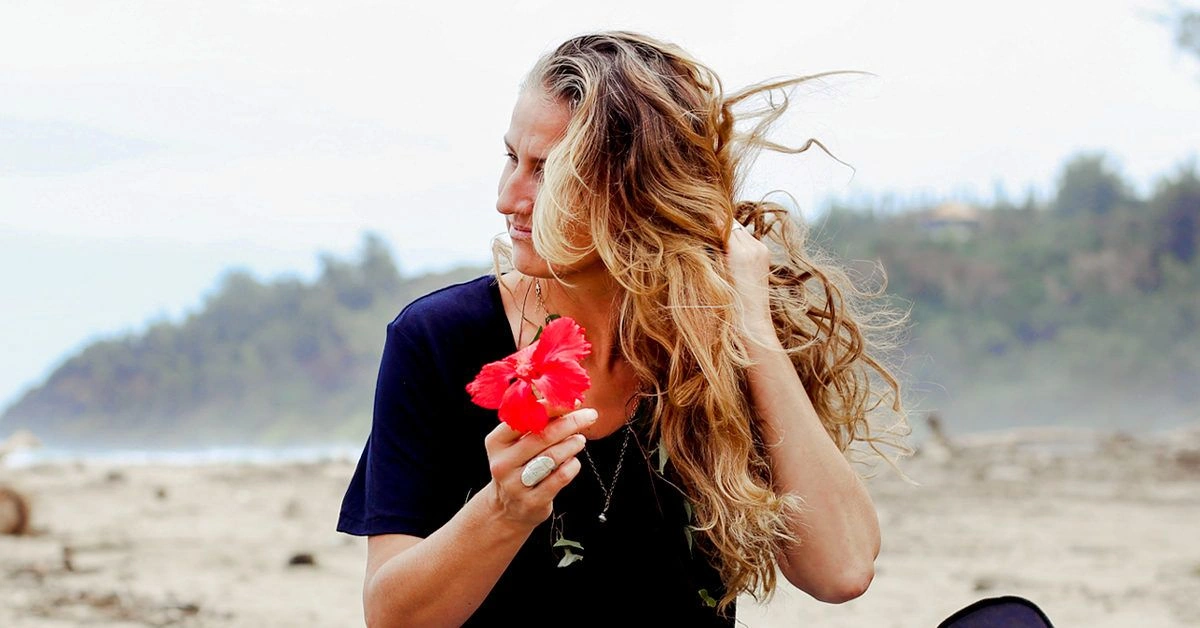
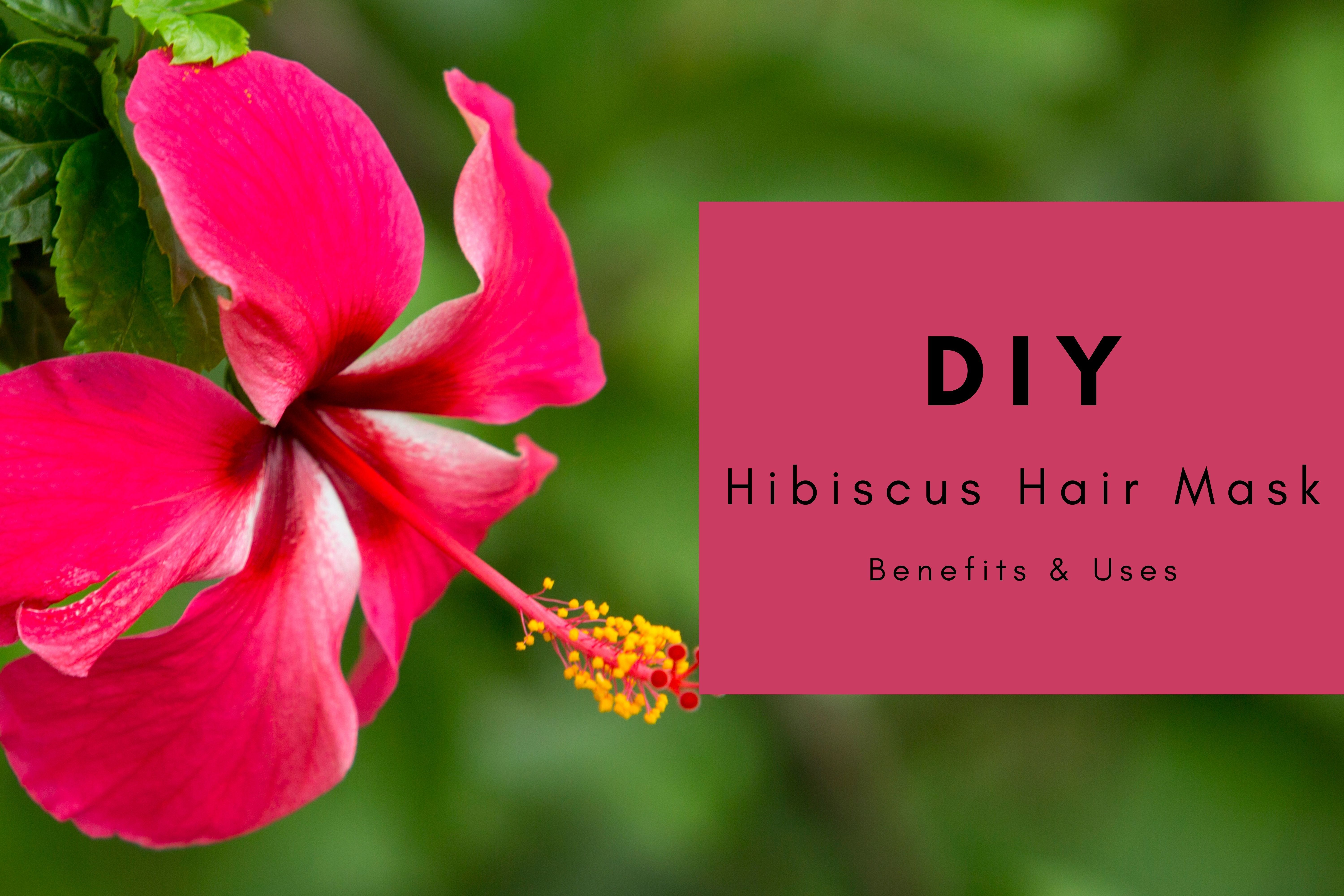
Chinese hibiscus (Hibiscus rosa-sinensis) is widely touted by herbalists as a natural treatment to encourage hair growth.
Advocates assert that hibiscus may also:
- halt hair thinning
- give hair a healthy, glossy look
- ward off early graying
- increase hair density and body
- combat dandruff
- condition against frizz, dryness, and breakage
- prevent split ends
These assertions lack support from robust clinical trials. Like most herbal preparations, hibiscus has not been approved by the U.S. Food and Drug Administration (FDA).
Continue reading to find out more about hibiscus and why some people think it can help hair growth.
Can hibiscus make hair regrow?
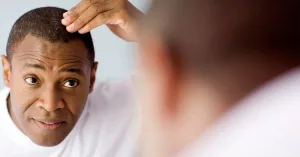
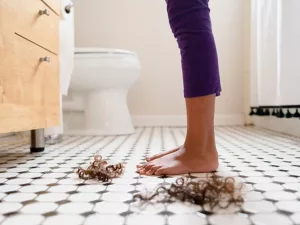
While personal reports claim hibiscus can stimulate new hair growth and slow hair loss, most of the formal research has been conducted on animals rather than people.
For instance, a 2003 study found that a leaf extract of Hibiscus rosa-sinensis improved hair length and hair follicle condition in laboratory rats. In that research, the leaf extract outperformed the flower extract.
More human studies are required to determine whether hibiscus can effectively restore hair in people.
How is hibiscus applied for hair growth?
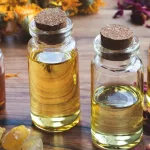
Based on traditional use and anecdote, hibiscus is a common ingredient in Indian hair care practices and frequently appears in herbal hair oils.
Herbal hair oils are generally blends of botanical extracts, like hibiscus, suspended in a carrier oil such as:
- almond oil
- coconut oil
- mineral oil
- jojoba oil
- olive oil
- walnut oil
- wheat germ oil
Tentative instructions from herbal practitioners often recommend:
- Massage the herbal oil into the scalp for roughly 10 minutes.
- Let it sit for about 30 minutes.
- Rinse with a gentle shampoo.
How is hibiscus used to strengthen hair?
Those who use hibiscus to fortify hair commonly suggest a weekly hibiscus-and-yogurt treatment. A typical method is:
- Mix about 3 tablespoons of powdered hibiscus leaves and flowers with about 8 tablespoons of yogurt until smooth.
- Apply the hibiscus-yogurt paste to the scalp and hair.
- Leave it on for around 30 minutes.
- Wash out with a mild shampoo.
Some proponents recommend enriching the mask with other ingredients, for example:
- aloe vera gel
- honey
- coconut milk

How is hibiscus used for dandruff?
Herbalists frequently advise a weekly anti-dandruff mask combining hibiscus with fenugreek:
- Blend about 3 tablespoons of ground hibiscus leaves with 1 tablespoon of fenugreek powder and roughly 1/4 cup of buttermilk.
- Gently apply and massage the mixture into hair and scalp.
- Allow it to remain for about 1 hour.
- Rinse with a mild shampoo.
Other herbs commonly used for hair
Although evidence is limited, several other herbs are popular for hair care and potential growth benefits:
- bitter apple (Citrullus colocynthis)
- brahmi (Bacopa monnieri)
- coat buttons (Tridax procumbens)
- ginseng (Panax ginseng)
- goji berry (Lycium chinense)
- gooseberry (Emblica officinalis)
- holy basil (Ocimum sanctum)
- jatamansi (Nardostachys jatamansi)
- night-flowering jasmine (Nyctanthes arbor-tristis)
- Oriental arborvitae (Thuja orientalis)
Takeaway
Some preclinical research suggests hibiscus might encourage hair growth, but these studies have been performed on animals rather than humans.
Anecdotal reports support using hibiscus for a variety of benefits, including:
- stimulating hair growth
- improving thickness and shine
- reducing premature graying
- helping control dandruff
Hibiscus is not FDA-approved. Consult a healthcare professional before applying it to your scalp or hair.










Leave a Reply
You must be logged in to post a comment.