

Most juice is largely water — remove that water and you get juice concentrate. Some concentrates are healthier than others, with those labeled 100% juice being the best option nutritionally.
Juice concentrate is fruit or vegetable juice that’s had the majority of its water content removed. Depending on the source, it can supply certain vitamins and minerals.
That said, concentrate is generally more processed than fresh juice, which may lead you to question whether it’s beneficial or detrimental to your health.
Before using juice concentrateTalk to your healthcare provider or a registered dietitian prior to incorporating juice concentrates into your eating plan. They might not be appropriate for everyone.

What is juice concentrate?
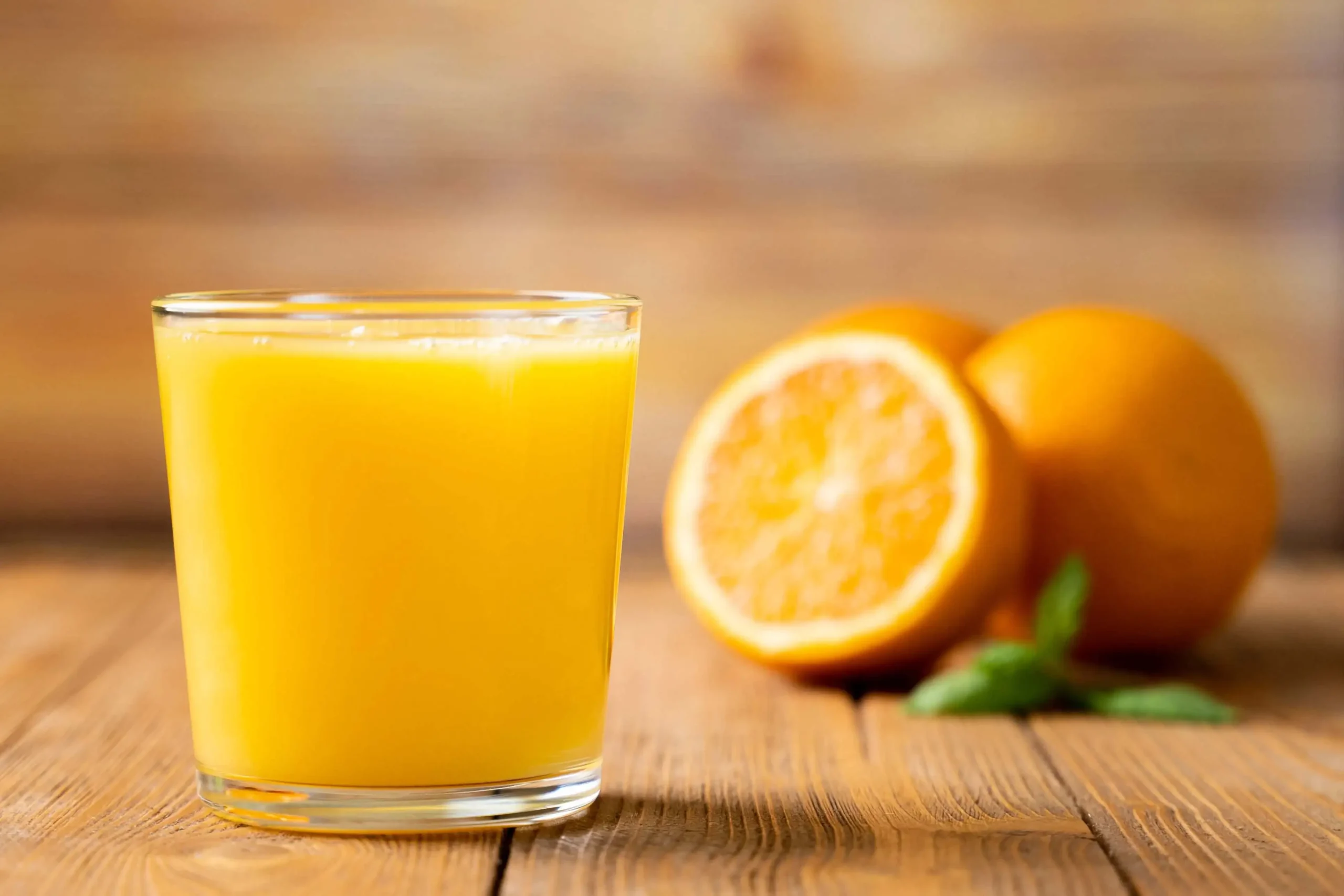
Some juices — like orange juice — can be up to 90% water. When most of this water is removed, the result is a thick, syrup-like substance known as juice concentrate.
Because the natural taste of the fruit or vegetable can become muted through concentration, many manufacturers add:
- flavor packs made from fruit byproducts
- sweeteners such as high-fructose corn syrup (HFCS)
- sodium (often in vegetable blends)
- artificial colors and flavors
Removing water reduces the risk of bacterial growth, so concentrates are less perishable than fresh juice. The process also lowers:
- packaging needs
- storage requirements
- transportation expenses
Processing varies across brands. Concentrates sold frozen or at room temperature are intended to be diluted with water before drinking.
Types of juice concentrate
100% fruit concentrate
Concentrates made entirely from fruit provide the most nutrients, since they contain only the fruit’s natural sugars rather than added sweeteners. Still, they may contain other additives.
If additives concern you, inspect the ingredient list closely.
Concentrated fruit cocktail, punch, or beverage
Products labeled as concentrated fruit cocktails, punches, or beverages are blends of multiple juices. These frequently include extra flavors or sweeteners to make up for the absence of whole produce.
Check nutrition labels carefully. Avoid products where the first ingredient is an added sugar such as:
- HFCS
- cane sugar
- fructose syrup
Powdered juice concentrates
Powdered concentrates are produced by dehydrating juice via spray- or freeze-drying. This strips all water and makes the product more compact.
Keep in mind many powdered concentrates contain added sugars, so review labels before buying.
Potential health benefits of juice concentrate
High in certain nutrients
An 8-ounce cup of orange juice made from unsweetened frozen concentrate supplies 100% of the Daily Value (DV) for vitamin C, which supports immune function and wound repair.
Carrot juice from 100% vegetable concentrate is rich in vitamin A, delivering about 400% of the DV per cup. Vitamin A supports:
- vision
- immune function
- reproductive health
- growth and development
- vital organ function
A 2021 trial with 18 adults assessed an encapsulated fruit, vegetable, and berry juice powder concentrate taken as six capsules daily for 8 weeks and found increases in:
- vitamin A
- vitamin C
- vitamin E
Contains beneficial plant compounds
Concentrates include plant-based compounds like:
- anthocyanins
- carotenoids
- flavonoids
Anthocyanins have been linked to better cardiovascular health.
The same 2021 study observed rises in certain carotenoids, including:
- alpha-carotene
- beta-cryptoxanthin
- lycopene
A 2019 review suggested flavonoids from citrus fruits may:
- help protect against heart disease
- reduce obesity
- assist in regulating glucose and lipid metabolism
That review didn’t specifically evaluate juice or concentrates, so results might differ if it had.
May reduce inflammation
Carotenoids and vitamins A, C, and E act as antioxidants that can help counteract inflammation. While inflammation is a normal bodily reaction, it’s associated with numerous conditions, such as:
- certain cancers
- type 2 diabetes
- depression
- cardiovascular disease
- autoimmune disorders
Anti-inflammatory nutrients in some concentrates may aid in preventing or managing these issues, but further research is required.
May support skin health
Because concentrates contain antioxidants, they may benefit skin health and aging, according to a 2022 review. They might help by:
- neutralizing oxidants
- reducing inflammation
- supporting skin structure
Some of these antioxidant compounds are available primarily through plant foods.
Longer shelf life and lower cost
Juice concentrates are often a budget-friendly alternative to freshly squeezed juice.
Frozen or shelf-stable options have a longer shelf life, making them convenient when fresh produce is limited.
Possible drawbacks of juice concentrate
Some contain added sugars and preservatives
The Department of Health and Human Services recommends keeping added sugars under 10% of daily calories. Diets high in added sugars are linked to chronic diseases like:
- type 2 diabetes
- heart disease
- obesity
Many concentrates contain added sweeteners and preservatives. When possible, choose products without these additives, excess sodium, or other potentially harmful ingredients.
Less nutritious than whole produce
Juice concentrate shouldn’t replace whole fruits and vegetables. Concentrates lack the fiber that whole foods provide.
Fruit concentrates can cause larger blood sugar spikes than whole fruit because fiber helps moderate glucose responses.
Concentrates also tend to have more carbohydrates and calories per serving compared with whole produce.
For example, a medium orange (131 grams) contains 62 calories and 15 g of carbs, while an 8-ounce (240-ml) glass of orange juice from 100% concentrate has 110 calories and 24 g of carbs.
Juicing requires more produce than you’d normally eat whole, and additives add calories too. Even the healthiest concentrates should be enjoyed in moderation.
Takeaway
Juice concentrates are cost-effective, longer-lasting alternatives to fresh juice and can supply certain vitamins and plant antioxidants — some of which are unique to plant foods.
Nevertheless, concentrates are processed and often contain added sugars, artificial sweeteners, and other additives.
When selecting concentrates, choose products made from 100% juice. Remember that whole fruits and vegetables remain the superior nutritional choice.
Connect with us!
- Sign up for our Nutrition Edition and Eat Well newsletters.
- Explore our Nutrition hub.






















Leave a Reply
You must be logged in to post a comment.