A number of plants and herbal remedies, including aloe vera and lemongrass, might ease symptoms associated with sickle cell anemia. Still, more investigation is required to clarify their precise impacts.
Sickle cell disease causes red blood cells to assume a distorted, rigid shape. These “sickled” cells can adhere to vessel walls, leading to an insufficient supply of healthy red blood cells to carry oxygen across the body.
Individuals with sickle cell frequently suffer episodes of intense pain. They can also develop sickle cell anemia because sickled cells survive only about 10 to 20 days, whereas normal red blood cells typically last 90 to 120 days. This reduced red blood cell count can produce profound tiredness.
Although there are several pharmaceutical therapies for sickle cell disease, herbal approaches have long been employed as well. Research generally examines their antisickling potential—how well they stop red blood cells from deforming.
However, evidence regarding the effectiveness of botanical remedies for sickle cell anemia remains limited. Additional studies are necessary to determine if they represent a reliable treatment avenue.
Read on to discover which herbs have been suggested as helpful for sickle cell anemia and what the science currently indicates.
A 2021 review indicated that aloe vera extract may help prevent red blood cells from sickling and could reduce episodes of vaso-occlusion and pain crises.
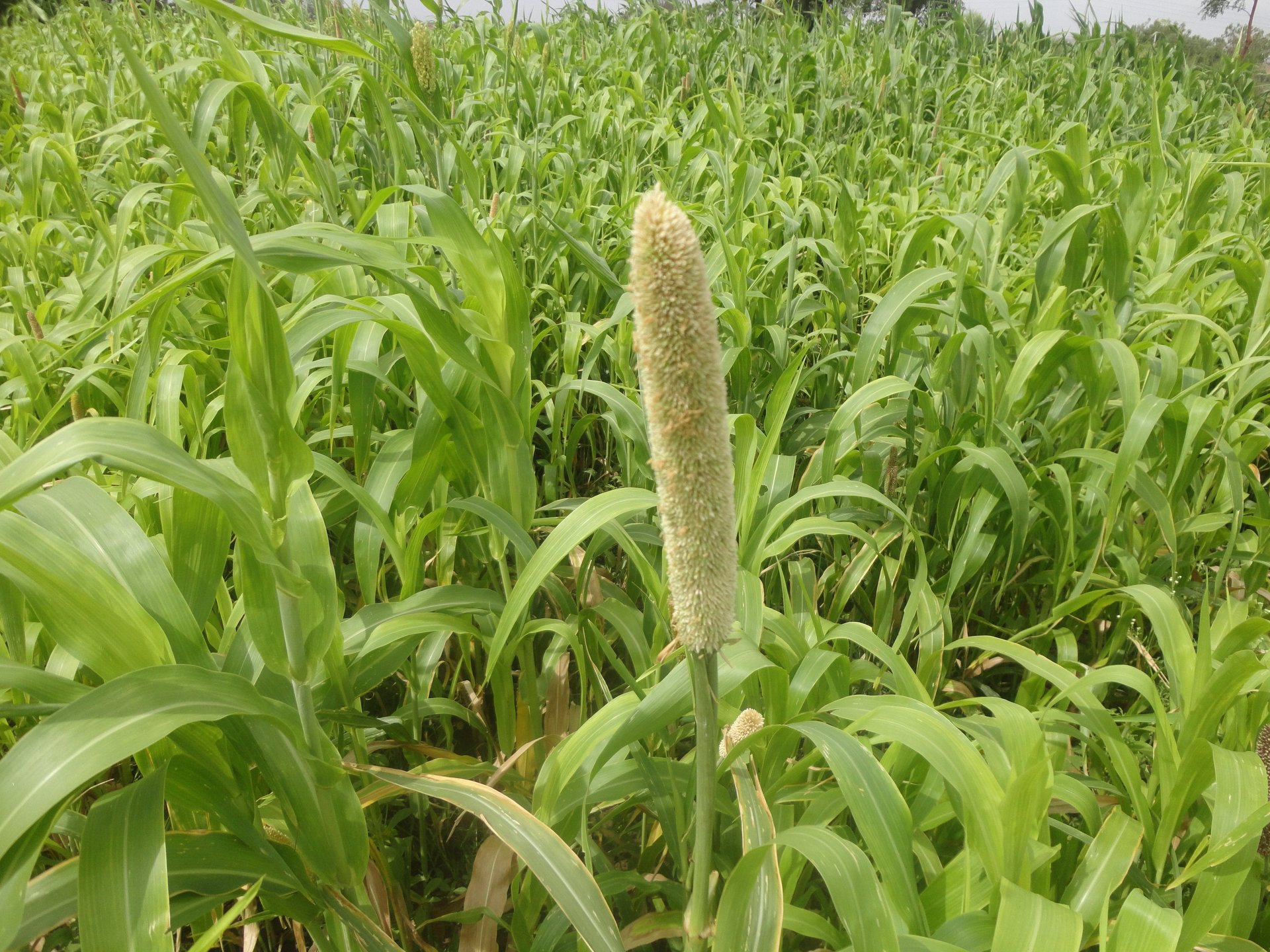
Lemongrass (Cymbopogon citratus)
Lemongrass is among the traditional herbal remedies used to manage sickle cell disease. A 2023 study from eastern Uganda surveying herbal practices for sickle cell management highlighted lemongrass as a remedy with longstanding use.
A 2015 trial reported that daily consumption of lemongrass (Cymbopogon citratus) tea over one month was associated with increased red blood cell counts. That study did not specifically enroll people with sickle cell disease.
For related supportive options, some people also explore herbs for energy to help with fatigue commonly seen in anemia.
ADVERTISEMENT
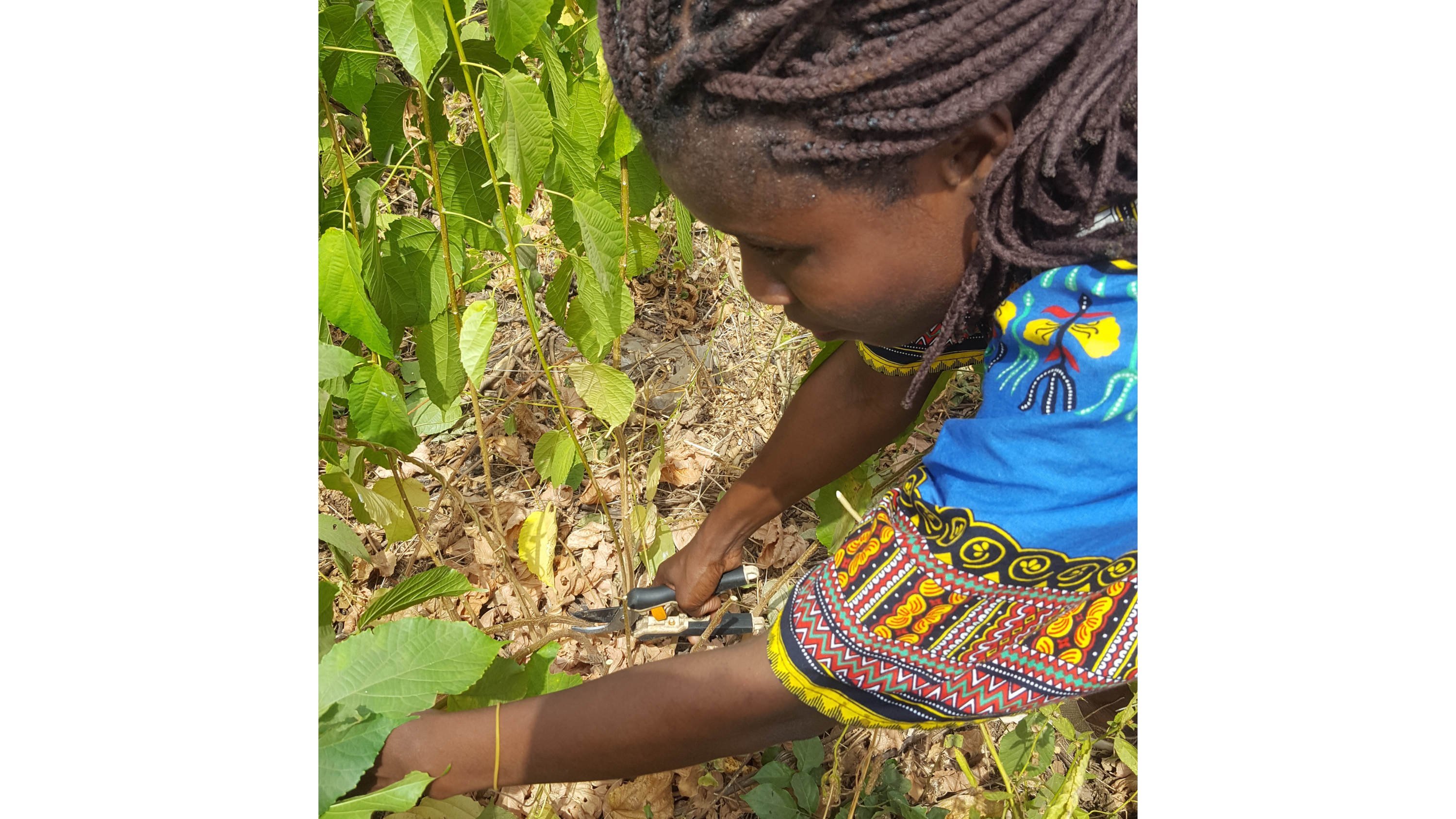
Pigeon pea (Cajanus cajan)
Pigeon pea is a legume widely eaten as food and traditionally used to prevent or lessen red blood cell sickling and to treat anemia.
A 2017 paper identified two compounds in the stem of Cajanus cajan that exhibit anti-sickling activity. The authors also referenced earlier reports of antisickling effects from the whole pigeon pea plant and benefits seen with seed extracts in managing sickle cell disease.
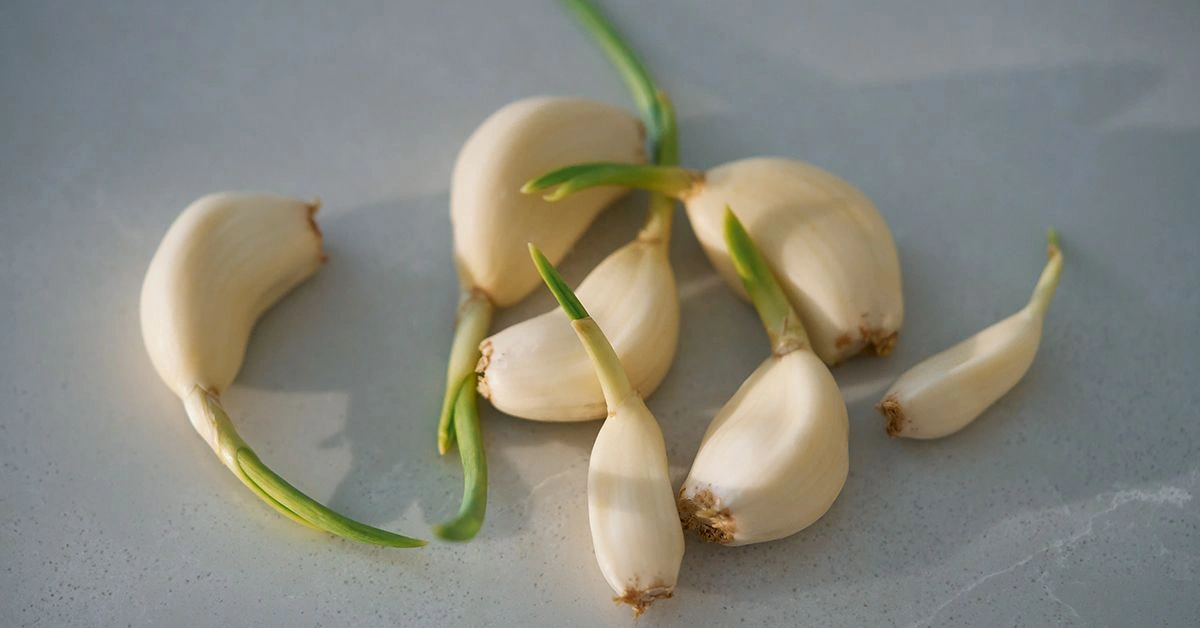
Garlic
Garlic is commonly researched for cardiovascular and blood-related benefits. There is some evidence suggesting it can help lower high cholesterol and reduce blood pressure.
A 2021 review noted that garlic might be useful in treating sickle cell anemia by preventing the formation of dense cells through its antioxidant properties. The review also warns that garlic can cause adverse effects such as nausea, vomiting, and facial flushing.
ADVERTISEMENT
Other treatment options
There are several prescription treatments designed to reduce sickling and decrease pain or vaso-occlusive crises. These include:
hydroxyurea (Hydrea, Droxia) and voxelotor (Oxbryta) to lower sickling
L-glutamine (Endari) to reduce the frequency of pain crises
crizanlizumab-tmca (Adakveo) to help prevent vaso-occlusive events caused by blocked blood flow
Alongside medications, blood transfusions can be used for acute pain crises or as ongoing therapy to control symptoms of sickle cell disease. A blood and bone marrow transplant can be curative for some individuals.
In 2023, the U.S. Food and Drug Administration (FDA) approved two gene therapies for sickle cell disease. Casgevy and Lyfgenia are derived from the patient’s own blood stem cells, which are genetically altered and then reintroduced via infusion.
When to speak with a doctor
If you notice side effects while using an herbal product, consult a physician for guidance.
People living with sickle cell disease should maintain regular medical follow-up, sometimes as often as every 3 to 12 months, depending on personal health circumstances and the specific type of sickle cell disorder.
It’s also helpful to have a plan for managing pain crises. If home strategies fail to control the pain, consider seeking care at a day hospital or an emergency department.
ADVERTISEMENT
Takeaway
Using plants and herbs to address sickle cell disease has deep historical roots.
There is some supporting evidence that particular botanicals may prevent sickling and boost red blood cell counts, yet more research is required to confirm their exact effectiveness.
Conventional options for sickle cell include antisickling drugs and emerging genetic therapies.
Frequently Asked Questions
Can herbs cure sickle cell anemia?
No. Herbs may offer supportive benefits or reduce some symptoms, but there is no reliable evidence that they cure sickle cell anemia. Standard medical treatments and consultations with healthcare providers remain essential.
Which herbs are most often suggested for sickle cell symptoms?
Aloe vera, lemongrass (Cymbopogon citratus), pigeon pea (Cajanus cajan), and garlic are commonly mentioned in studies and traditional use for potential antisickling or supportive effects.
Are there risks to using these herbs?
Yes. Herbs can cause side effects, interact with medications, or vary in potency. For example, garlic can cause nausea or interact with blood-thinning drugs. Always discuss herbal use with a physician.
How strong is the scientific evidence for these herbs?
Evidence is limited and often preliminary. Some studies report antisickling activity or improved blood parameters, but larger, well-controlled clinical trials are needed to confirm effectiveness and safety.
Should people with sickle cell disease stop prescription treatments to try herbs?
No. Do not stop prescribed treatments or replace them with herbs without your doctor’s guidance. Herbs may be considered as complementary approaches under medical supervision.
Share this article:
Disclaimer: This article is for informational purposes only and is not intended as medical advice. Please consult a healthcare professional for any health concerns.



















Leave a Reply
You must be logged in to post a comment.